02.11.2011.
Workshop on the participation of civilians inpeace operations
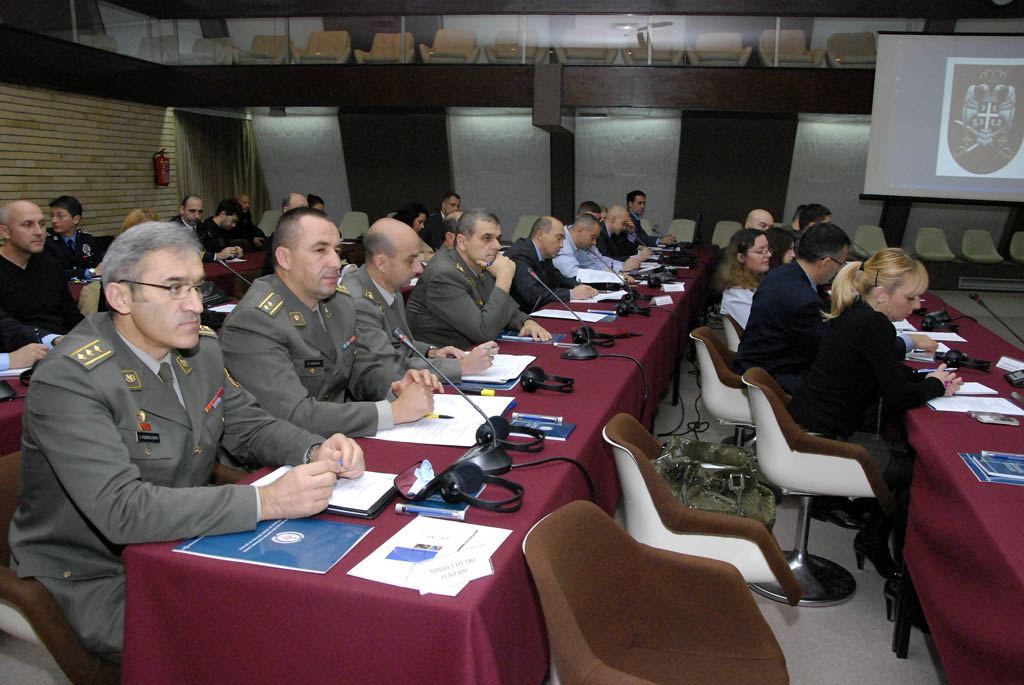
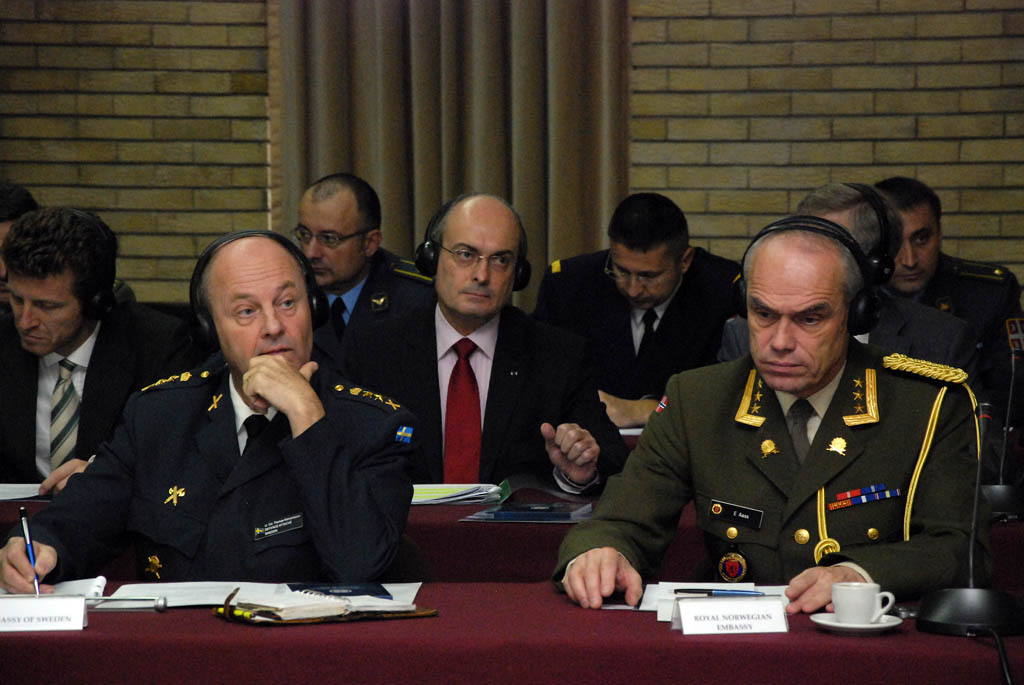
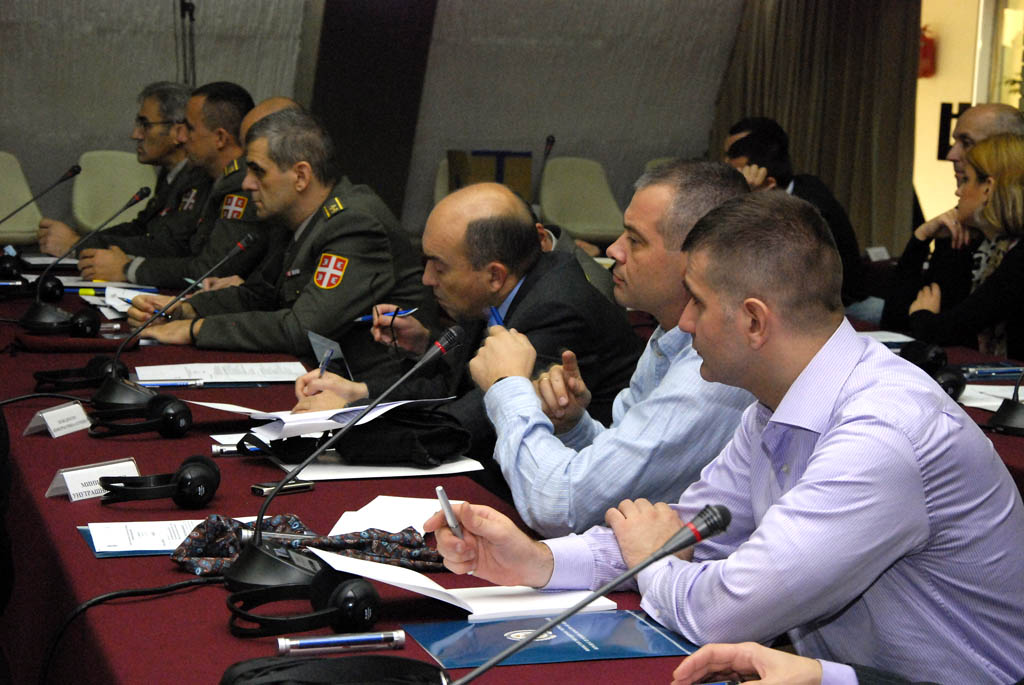
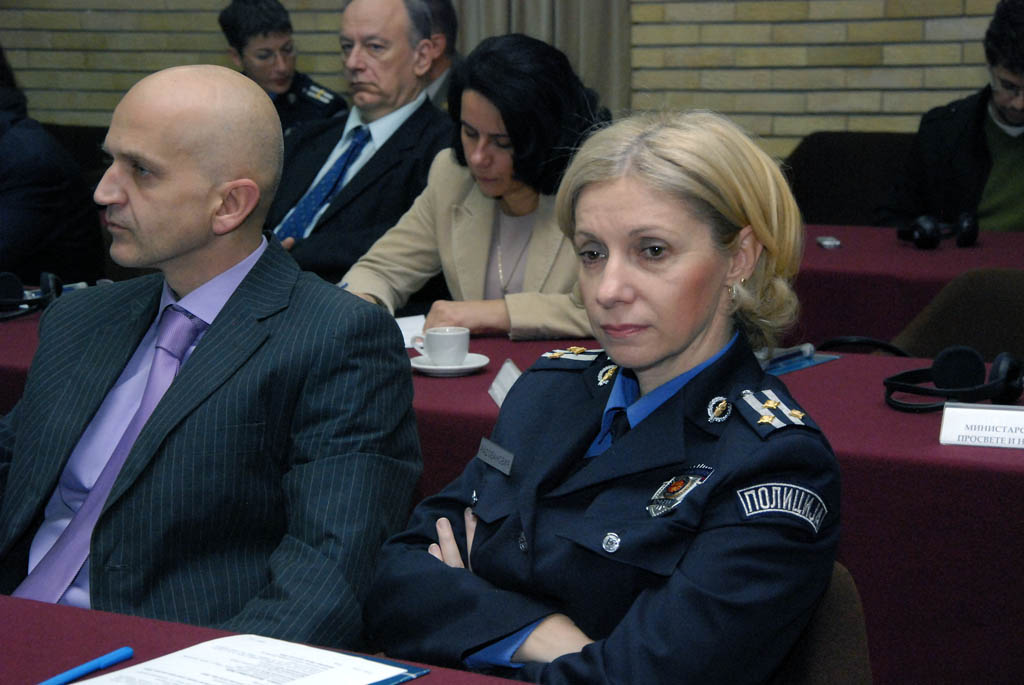
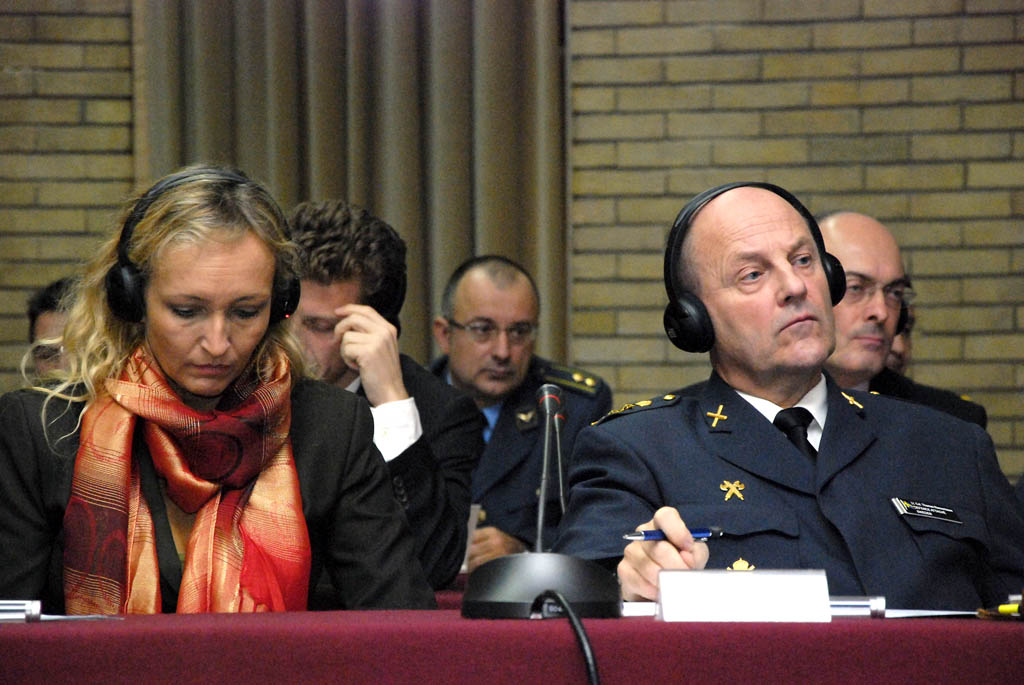
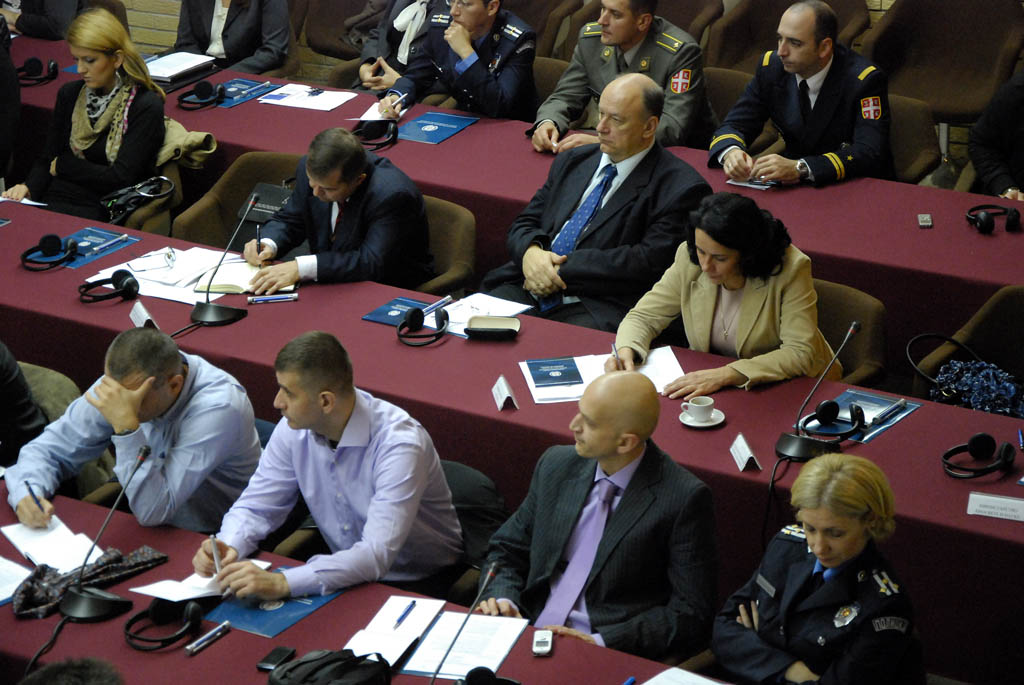
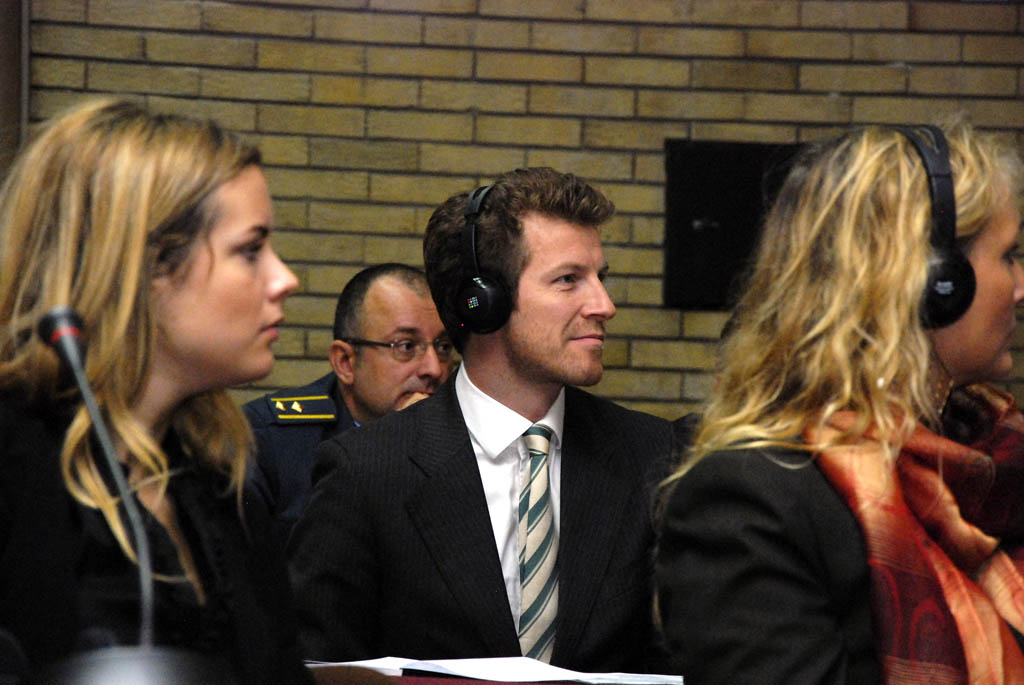
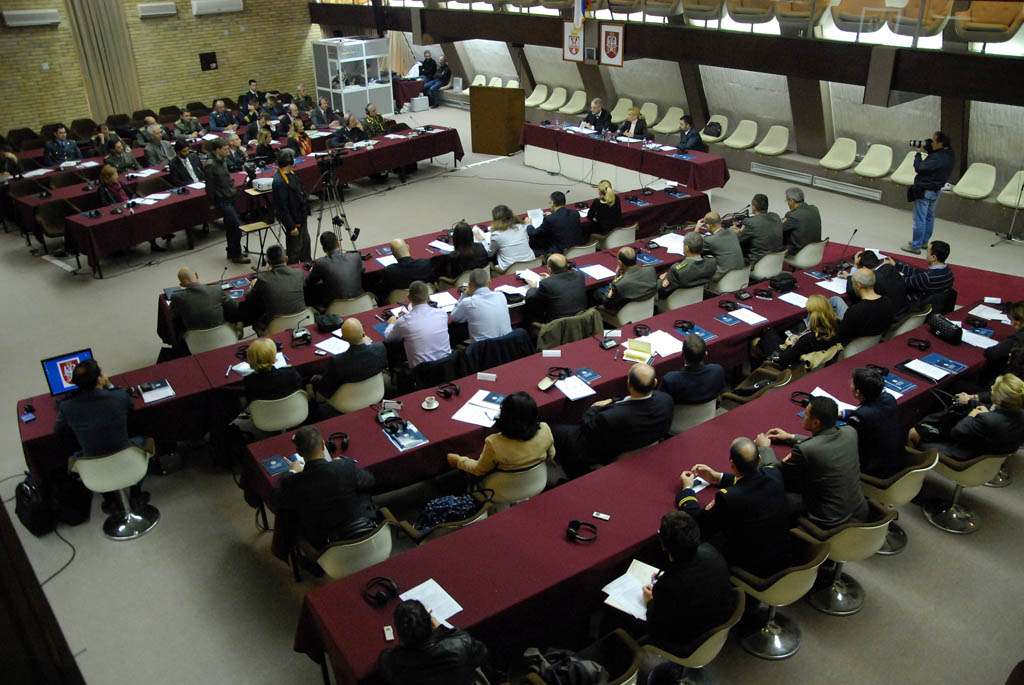
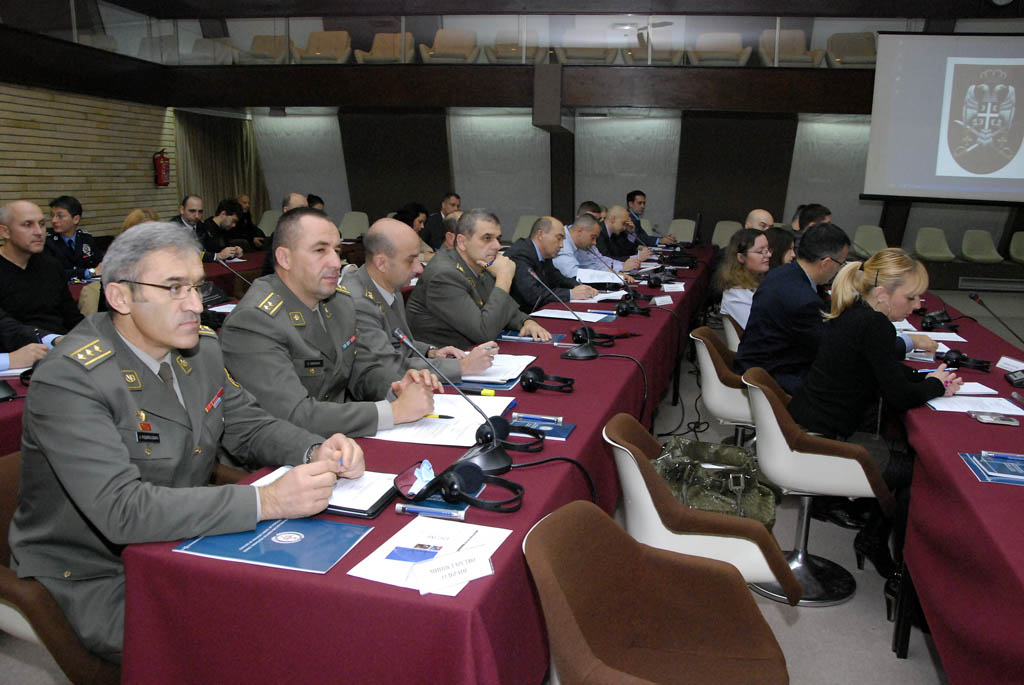
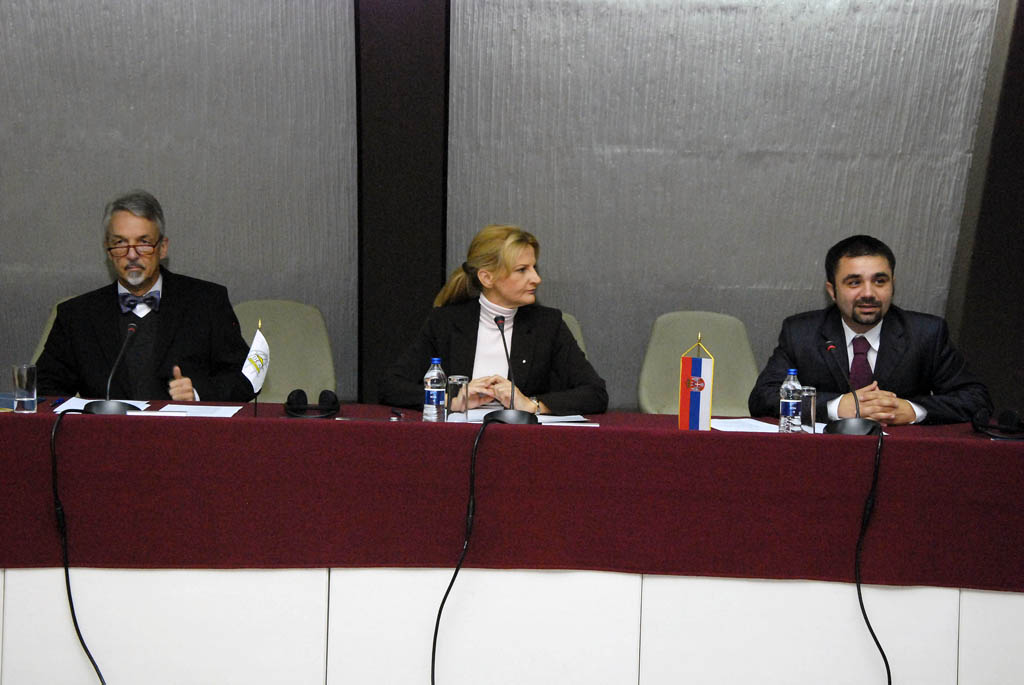 A two-day workshop for managers dedicated to considering the general need for the participation of civilians in multinational operations started at the House of Guards today in Belgrade. The representatives of the Ministry of Defense and SAF are participating at the seminar.
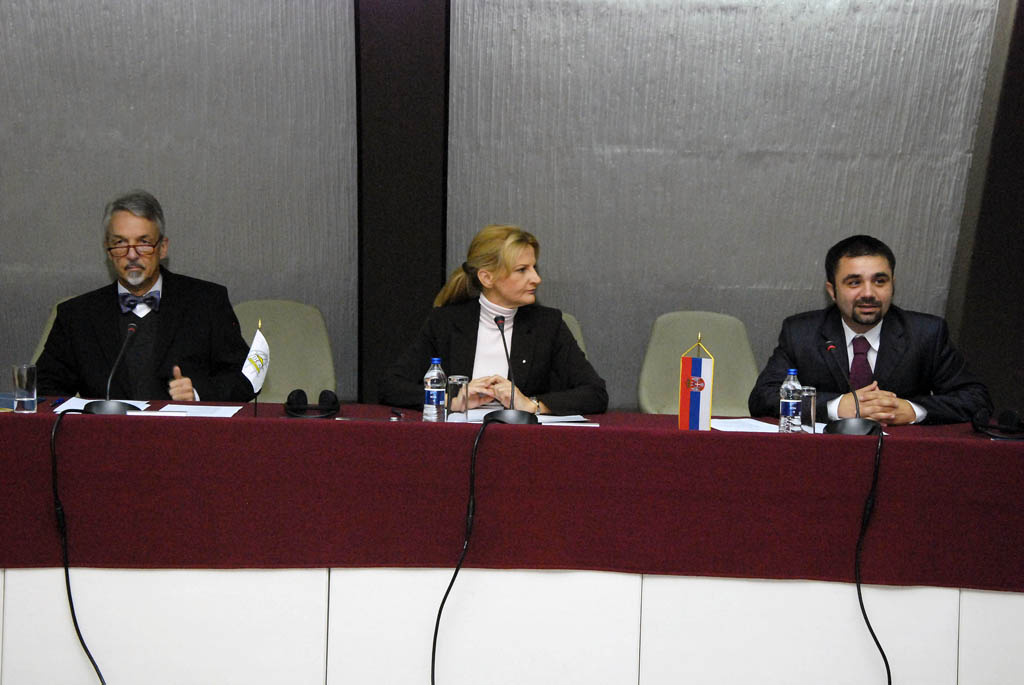
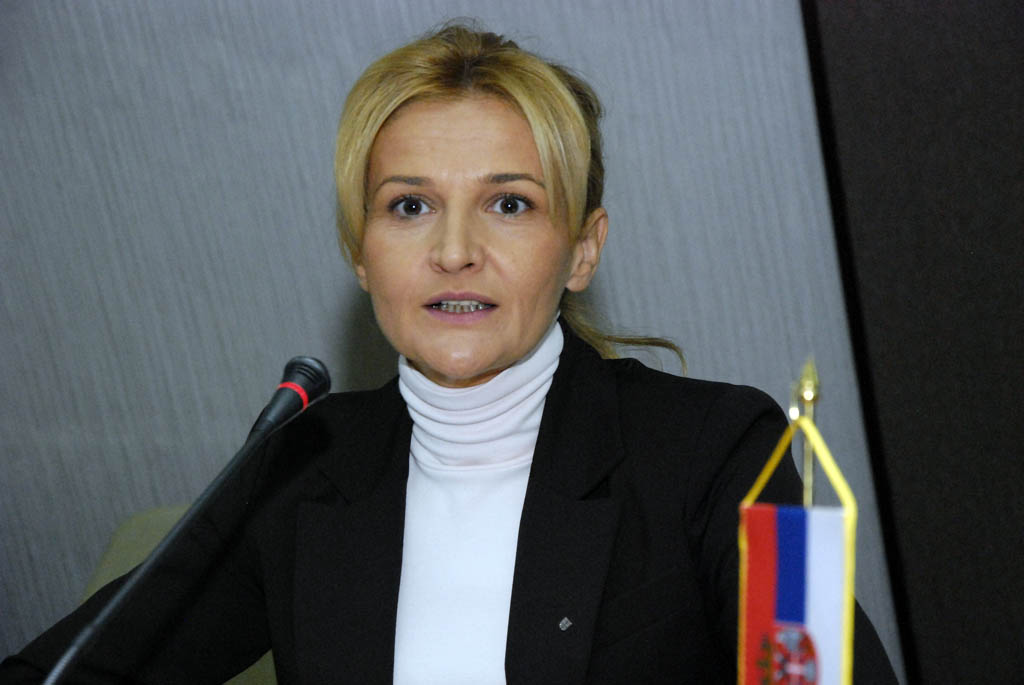
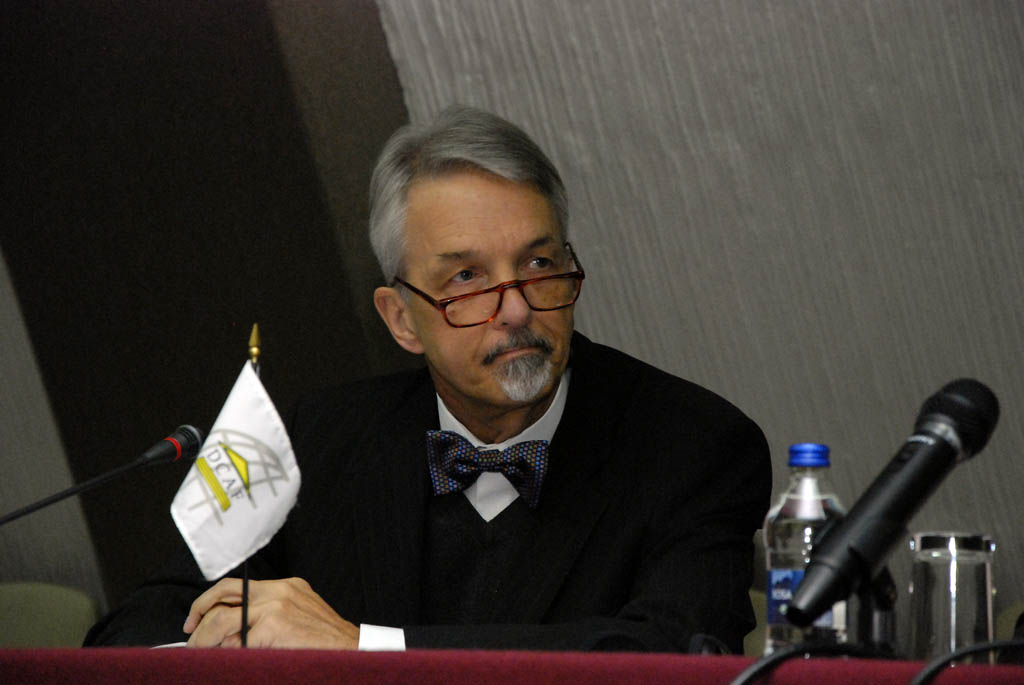
At the start of the seminar the present were addressed by State Secretary in MoD Tanja Miscevic and Ambassador Gregor Zore on behalf of the Geneva Center for Armed Forces Democratic Control.
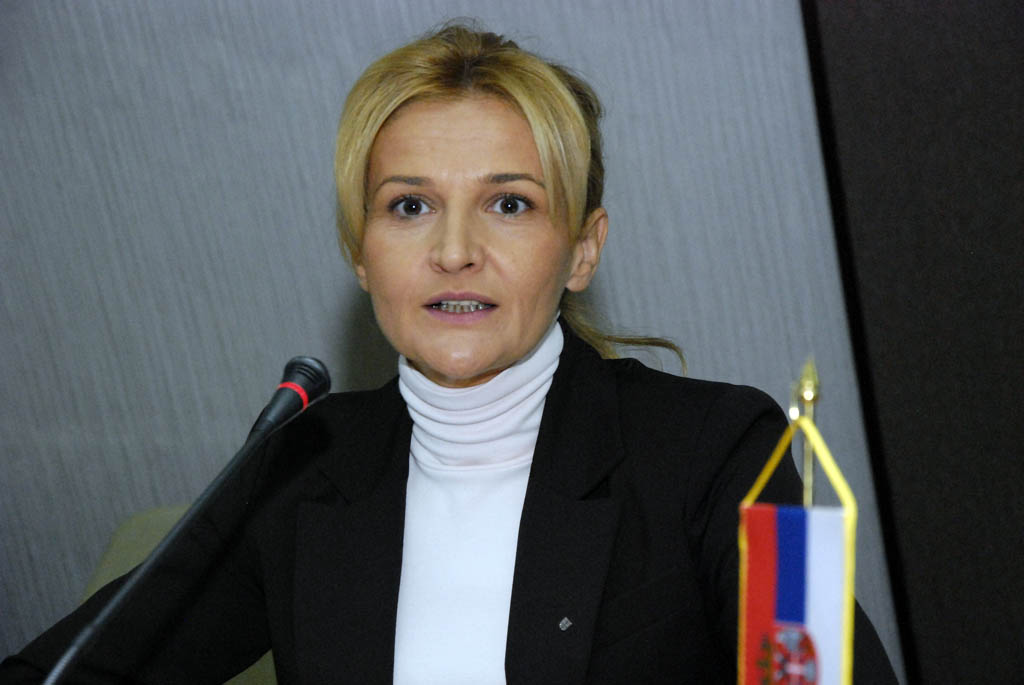 ”The topic we started to consider today thanks to Geneva Center for Democratic Control of the armed forces is somewhat broader than the subject the Ministry of Defense is dealing with. This is why I am so pleased to see so many colleagues from other ministries of the Serbian government, e4specially from the Ministry of Foreign and the Ministry of the Interior, as well as military diplomatic envoys of other countries in Serbia and various international organizations, because we are about to start something completely new for Serbia”, as state secretary Miscevic stressed, adding that this was a sort of a partnership on a broader scale with the international community as regards security issues, and relates to participation of civilians in multinational operations.
The MoD’s competency and the operative duty of SAF and all its members is to participate in multinational operations. This is done by making an annual plan for deployment of our forces in these operations, which is then submitted to the Government and the Assembly for consideration, and for the first time this year we have pushed the envelope, going a step further.
 The annual plan this time envisions the participation of another international community, namely the EU, besides the calculations of our capacities and potentials. For the time being the plan envisions the participation of SAF, but all those who know the EU, are well aware that these missions are so called contingency or crisis control missions, which are based much more on the so called “soft force”, which means involving all those who can help building peace. This entails involving civilians as well in these operations, which is a novelty and a step forward for us, as Miscevic stressed.
Based on a 11 year process of building institutions in Serbia through the process of transition, not only those in charge of democratic control of the armed forces but also other state institutions, we can safely say that we have the needed capacity and experience we can offer, which can be made use of in building the system which would include involving civilians in the work and being successful in multinational operations. In her words, the scope of reforms which should be presented and offered as our experience does not only include the reforms of the defense system but also the experience in the work of intelligence agencies, as well as the rich experience of the police and judiciary system.
Furthermore, State Secretary Miscevic added that the ongoing preparations for involving civilians in multinational operations will require better definition of the political-strategic framework, the analysis of the legislative framework, that is, legal norms and regulations and possible amendments, creating a pool of experts in various areas and building a special center for training civilians and upgrading the existing one.
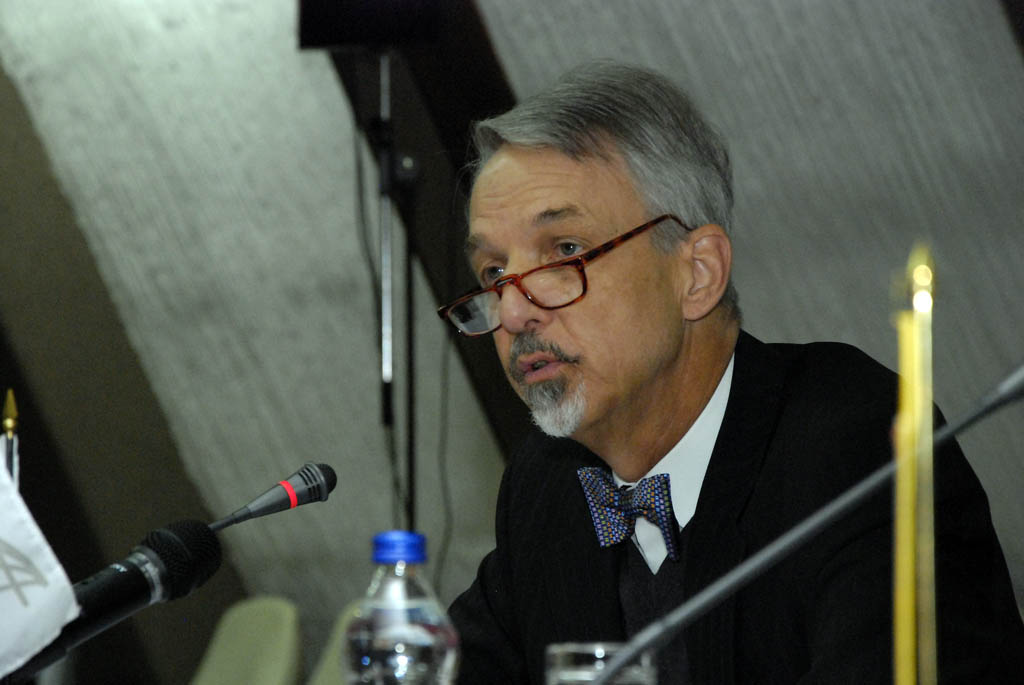 Ambassador Gregory Zore with the Geneva Center for Demcratic Control of the armed forces emphasized that this workshop’s aim was raising awareness on the importance of involving civilians in multinational peace support operations.
The character of modern multinational peace support operations is a completely different thing compared to traditional peace operations of United Nations. The figures show that after a multinational peace operation left the crisis site, the same conflict would reemerge in 50 % of cases. This only serves to show the main problem of the peace operations today, as it becomes increasingly clearer that a successful peace mission has to be a interconnection of four elements-creating stability in a more narrow sense, building institutions which would support and maintain peace and providing humanitarian and economic help. These are all highly sensitive and complex operations which is why the experience of civilian experts is necessary for the realization of the mission”, as Ambassador Zore said, reminding that significant contribution to the workshop will be given by the experts from the Ministry of defense of Norway and the Norwegian Institute for International Affairs bard B Knudsen and John Carlsrood, as well as French General Jean Fillipe Ganasha.
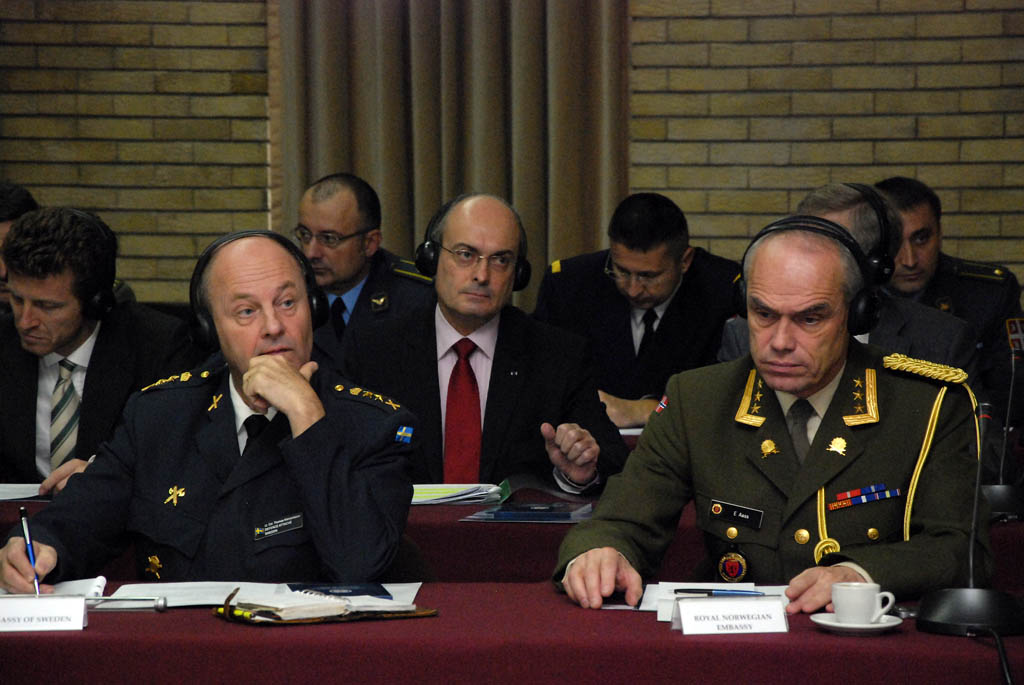 During he workshop, the participation will by participating in theme session point to the needs to understand interdependency of security, building peace, providing development and humanitarian assistance as an element of international; assistance in conflict stricken areas and the political implications of Serbia’s active participation, while also various models of training and preparations of civilians for multinational operations will be considered too.
 PHOTOGALLERY