14.04.2011.
International conference on human rights protection in armed forces
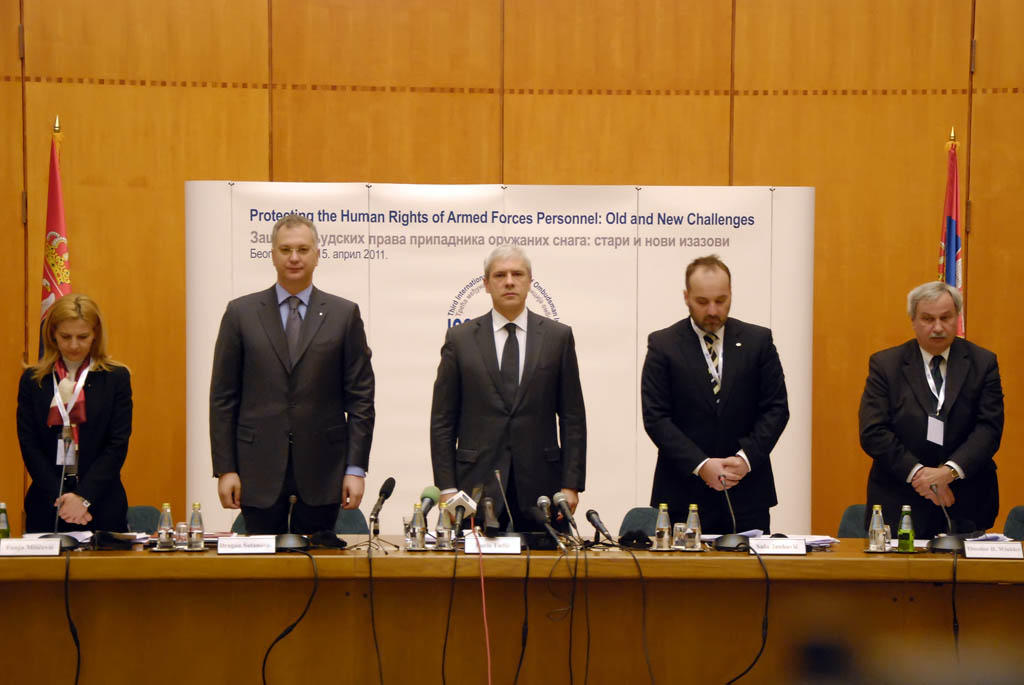
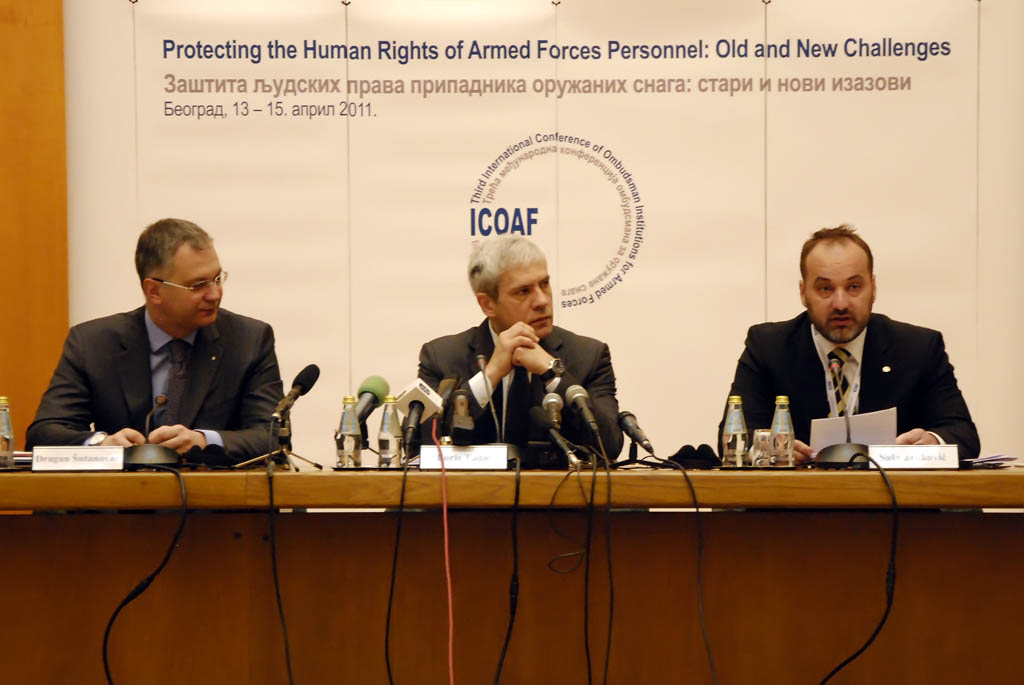
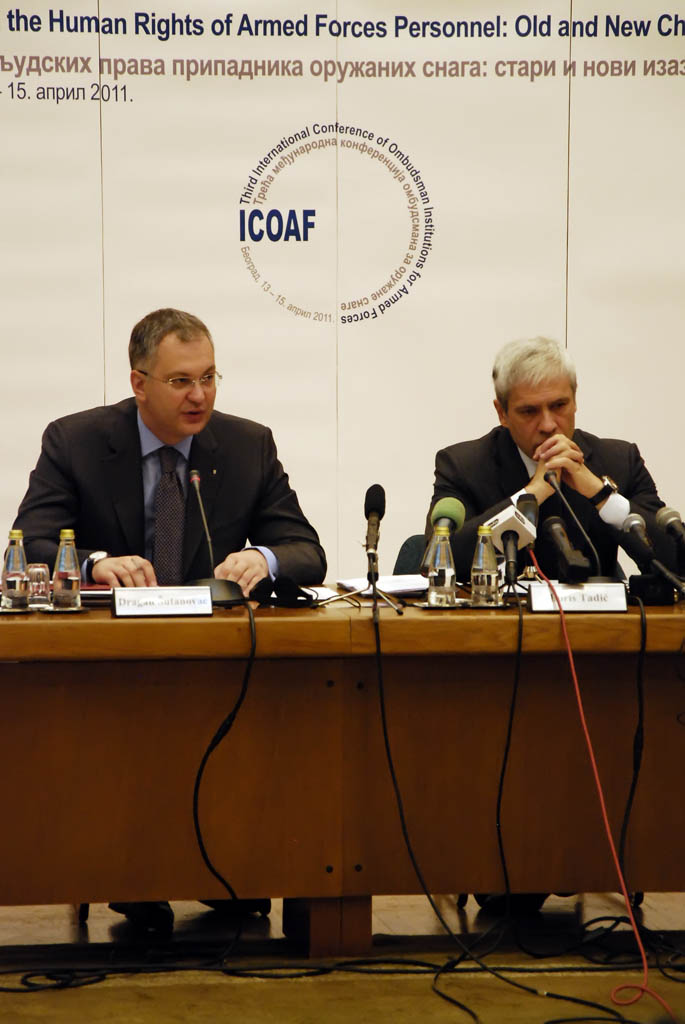
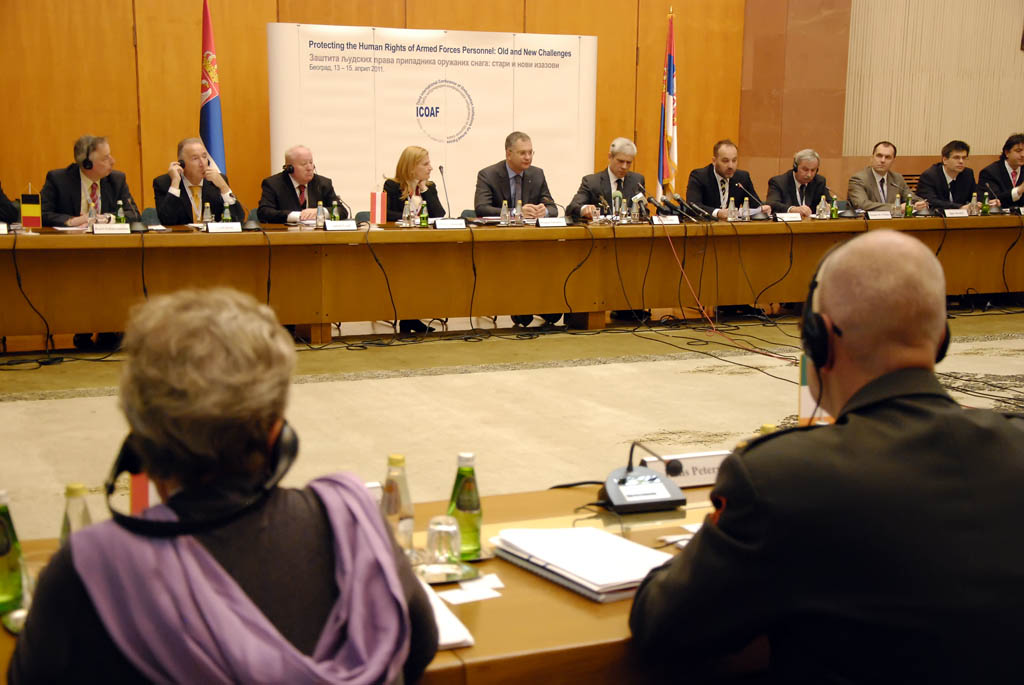
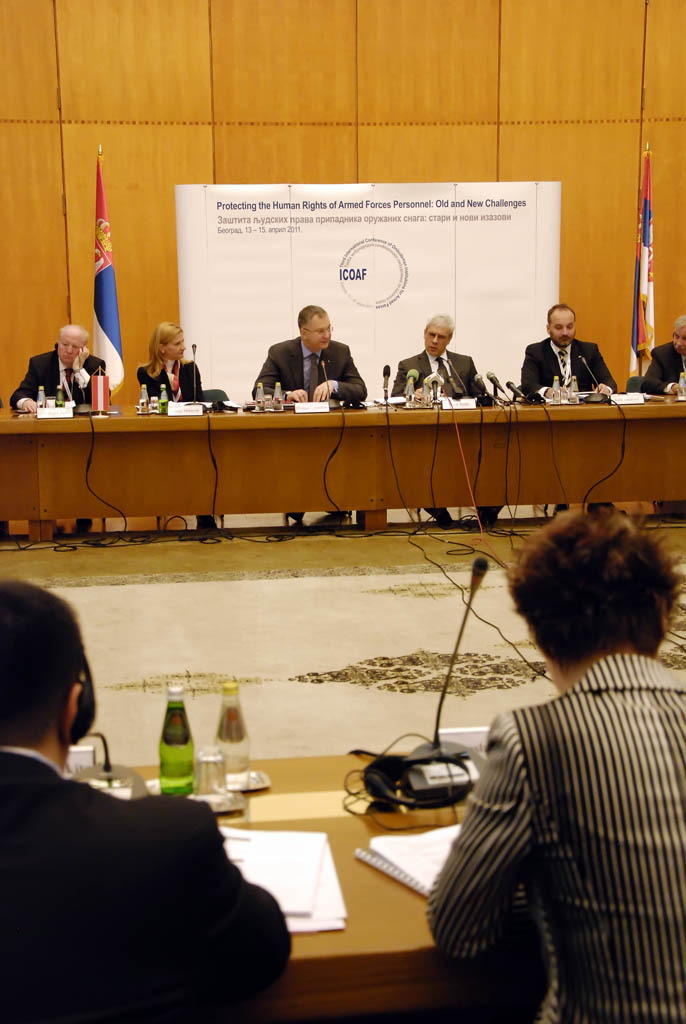
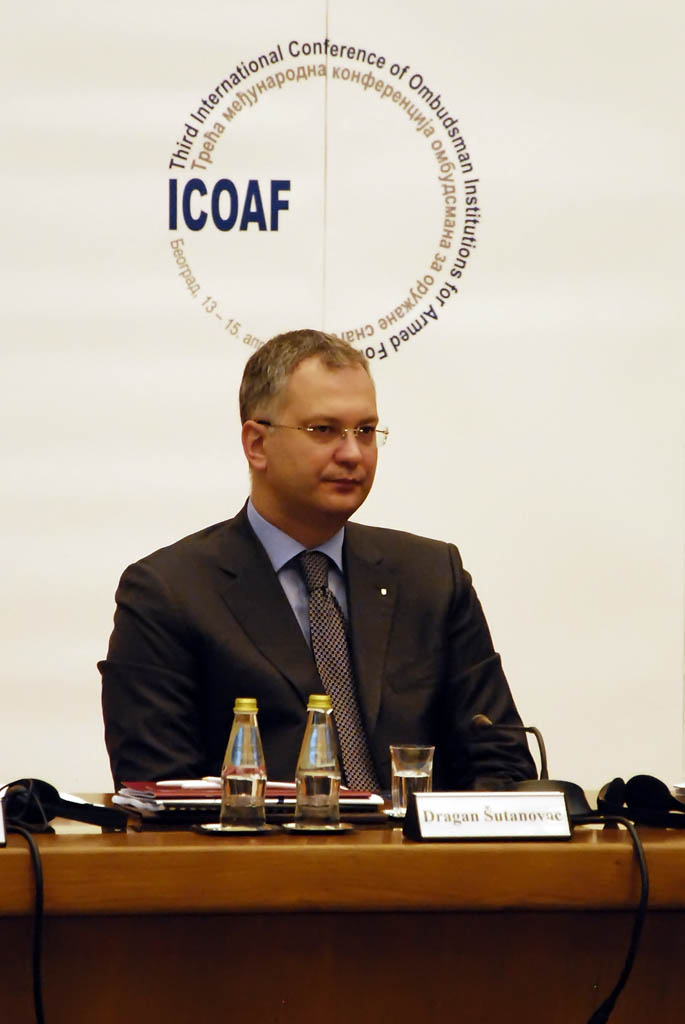
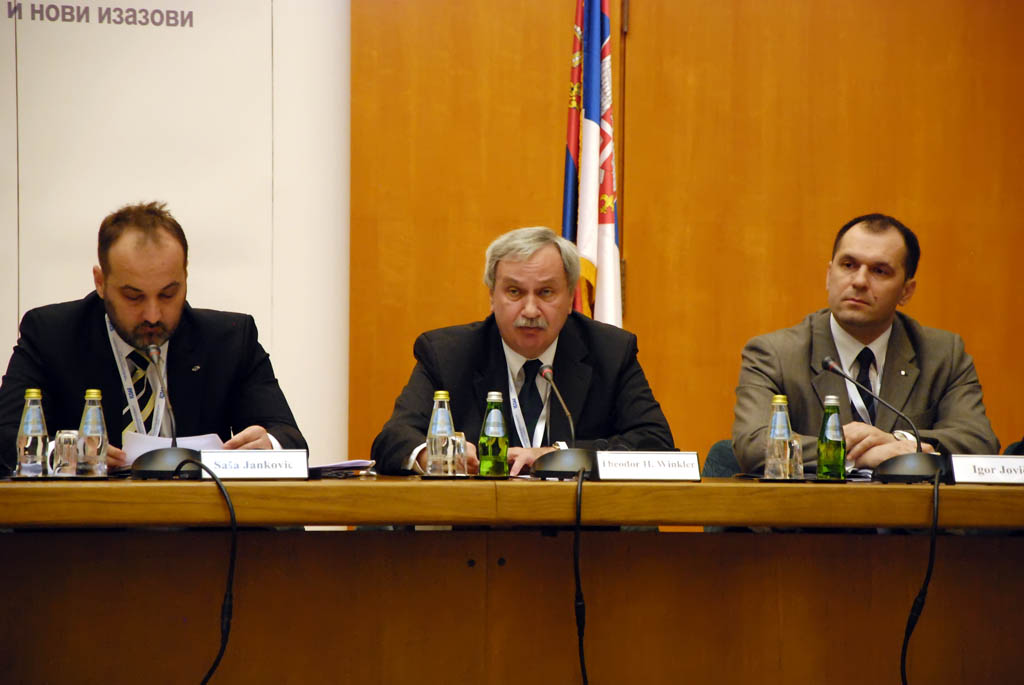
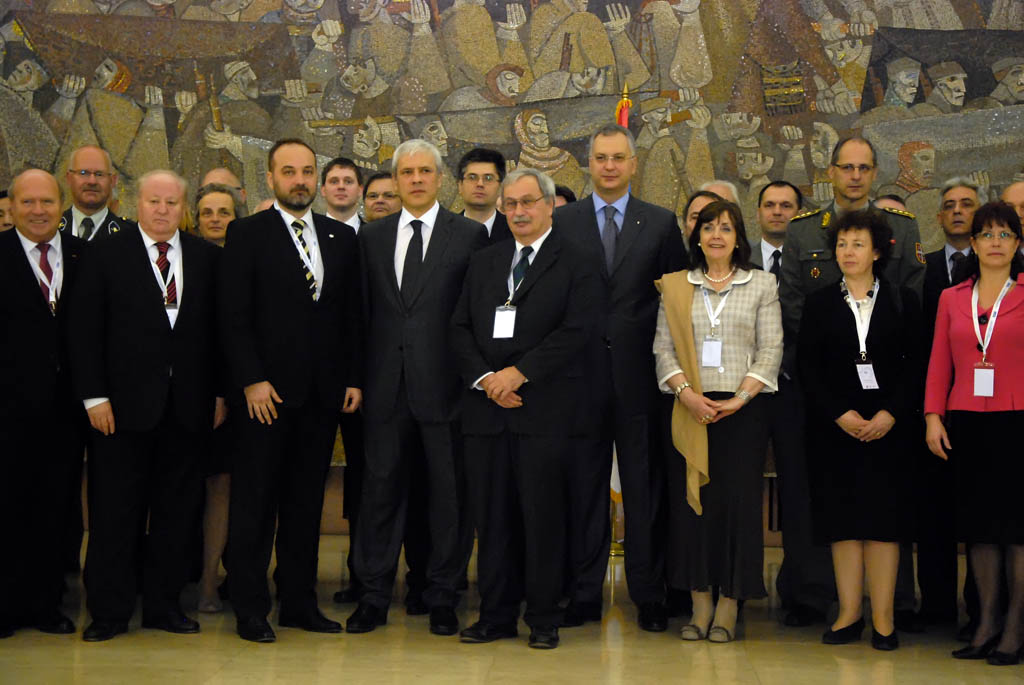
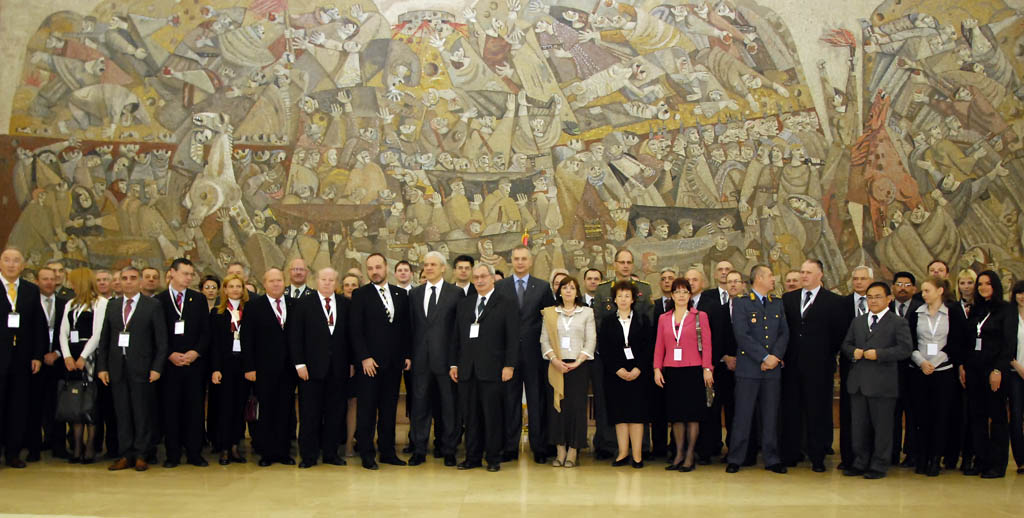
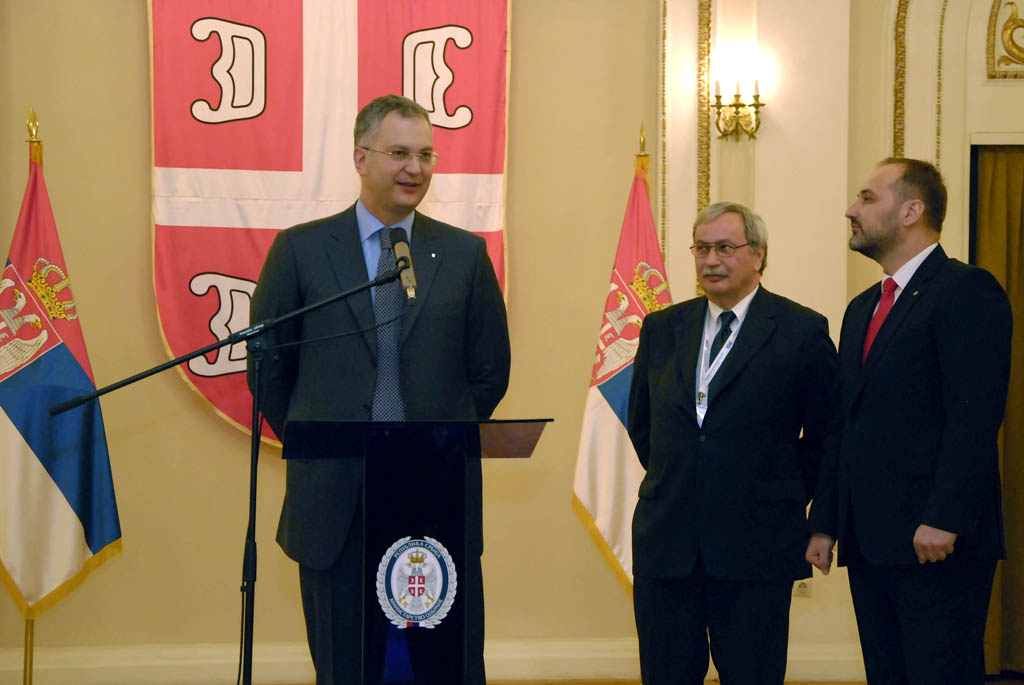
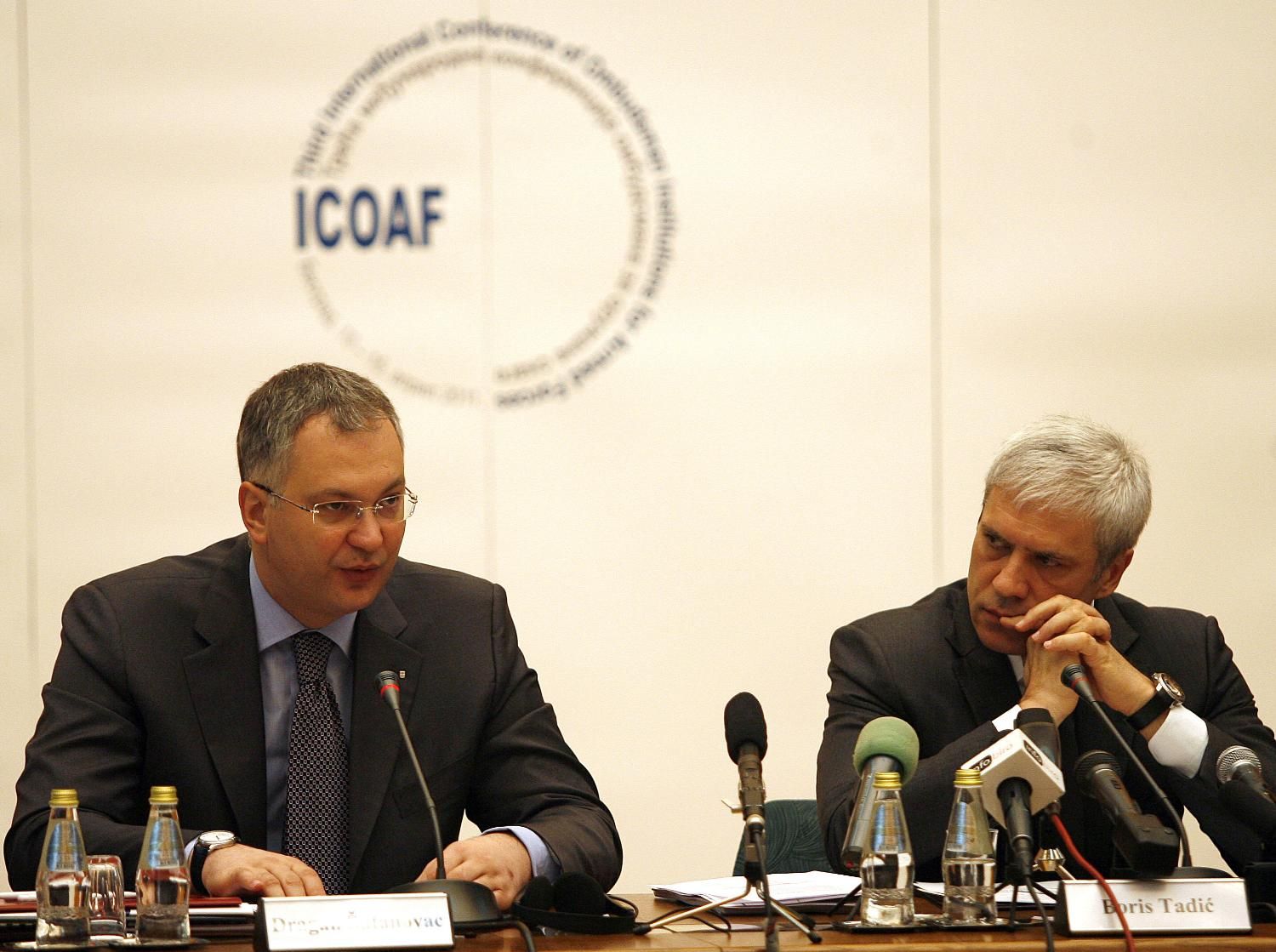 Minister of Defence of the Republic of Serbia, Dragan Sutanovac spoke today at the opening part of the international conference "Protection of human rights of armed forces: old and new challenges." The two-day conference dedicated to ombudsmen responsible for the armed forces was opened by the President of Serbia Boris Tadic, and the participants was addressed by the Serbian Ombudsman Sasa Jankovic as well as the director of the Geneva Centre for Democratic Control of Armed Forces (DCAF) Ambassador Theodore H. Winkler.
 - In developed democracies, the military is not an isolated environment, but a system closely connected with the company, whose core consists of the citizens in uniform. The army is also the building block of the development of any modern society organized according to legal standards and customs of the developed world - said at the beginning of his address President Tadic, stressing that Serbia is making great strides in achieving the standards and that he deeply believes that today's conference confirms that this orientation of the Republic of Serbia is internationally verified.
The defense system expects from men and women, people who wear the uniform, to perform their duties professionally, in accordance with the laws and international rules of war, and if need be to lay down their lives, but also to take peoples’ lives as well. Therefore, according to President Tadic, ensuring protection and realization of their rights is of particular legal, social and human importance. It is something that has been understood in Serbia and has been made part of the reforms of the armed forces.
Tadic stressed the importance of the introduction and strengthening of democratic civilian control of the military and security systems. These reforms were initiated 2003rd and the first important step was the subordination of the General Ministry of Defence and Minister of Defense and further structural changes in military organization. This isolation of the Army that interrupted it existed even under the Ministry.
A
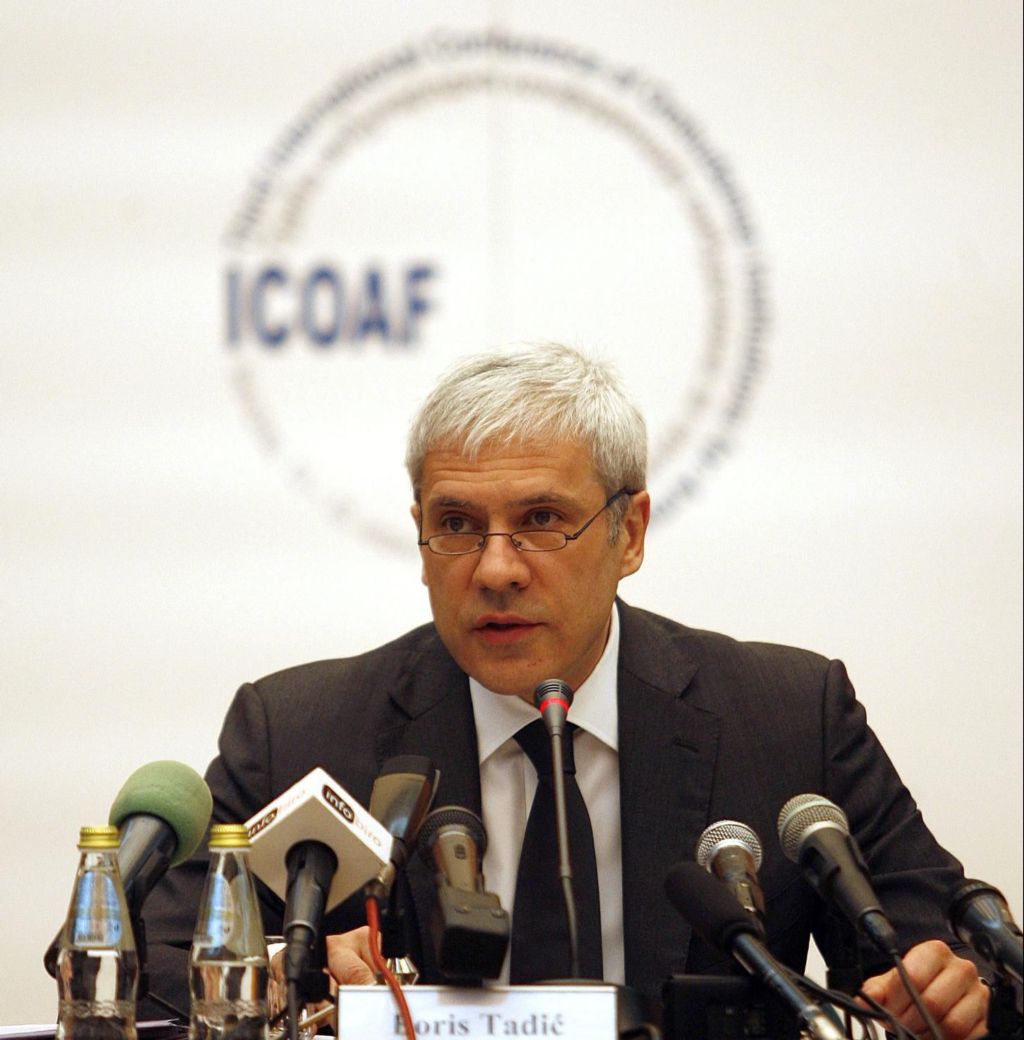 nother key reform step was the abolition of military judiciary, which in the past was tasked with prosecuting according to military laws all criminal and other cases when it comes to members of the military. The third step is the professionalization of the Army and the affirmation of the legal and constitutional foundation of professional soldiers.
 Tadic stressed the importance of changing social relations and intensive dissemination of the concept of gender equality in the armed forces of the Republic of Serbia, thus aiming at eradicating traditional forms of gender discrimination and prejudice breaks at all levels.
- Any reforms our system of defense and our military are being implemented in a highly sensitive security environment, which does not spare us from either global or regional, or internal security challenges, risks and threats. And not just because of the importance that we attach to good neighborly relations, but also because of the complex nature of security in the region, for me it is a very important fact that among the participants of the conference we have the members of institutions of neighboring states.
Tadic pointed out that members of the armed forces, which are part of a democratic society, have the same or similar social and economic problems as other citizens, which is clearly seen in their appeals made to the Ombudsman.
- It is good that we have appeals on violations of rights of the members of the defense system coming in, but on the other hand there is not a huge number of such complaints, which confirms that the Ministry of Defence takes into account the rights of its members. But the process of establishing confidence in the new social institutions, such as the Ombudsman, shows that members of the armed forces are on par with other citizens, that they do trust state institutions, and that they do not fear the consequences of the complaints they have made, as President Tadic said, adding that until that this trust was not built by accident. The National Security Strategy has defined the protection of human and minority rights not only as a civilization value and as a measure of the democratic character of society and state, but also for the national security.
Tadic said that one of the tasks of the defense policy was participation in peacekeeping operations and protecting the rights of participants in operations was also an important task of the state and legal institutions.
He recalled that the Serbian Constitution in 2006 opened up the possibility of union organizing in the Army, but in practice this possibility has not yet been achieved. The opening of this new space for the association of citizens in uniform, according to President Tadic, should result in better representation of their economic and social needs, which can only have a beneficial affect on the efficiency of the defense system. However, tackling this issue must not jeopardize the performance and readiness of the armed forces to carry out their constitutional and legal obligations,” as Serbian President Boris Tadic observed, praising the reform efforts of the Ministry of Defence and Minister Sutanovac in tackling the issues very bravely and successfully, something that could not have been up for discussion until recently. During the reform process, the Geneva Centre for Democratic Control of Armed Forces and the director of Theodore Winkler have provided significant and measurable support, this institution being the organizer of this very important conference, for the further protection of the rights of members of the armed forces and the operation of all stakeholders involved in the work.
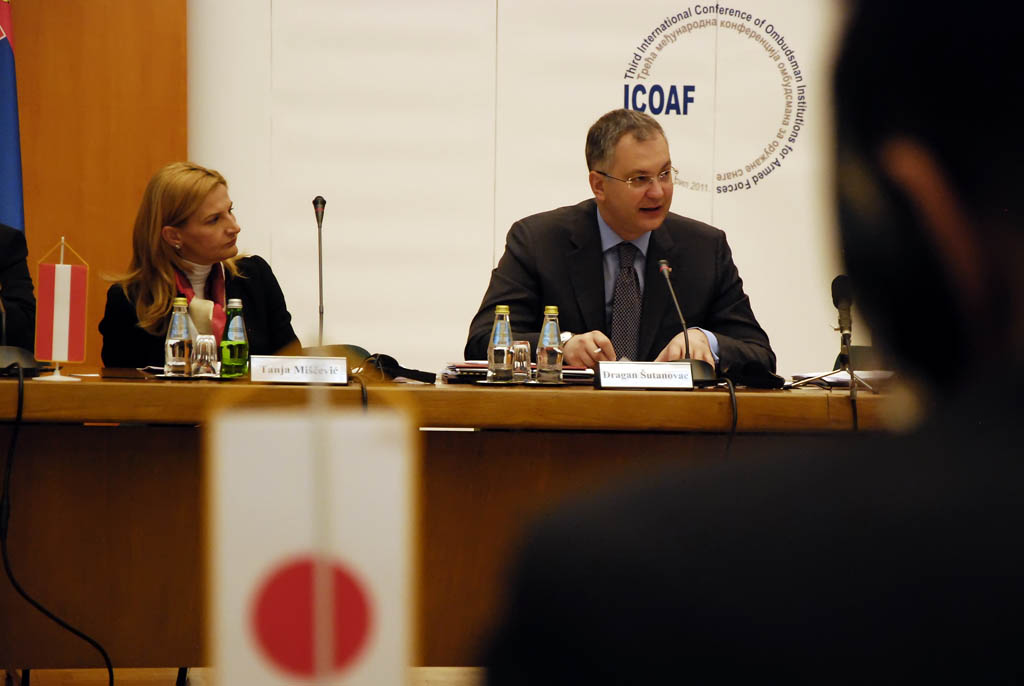
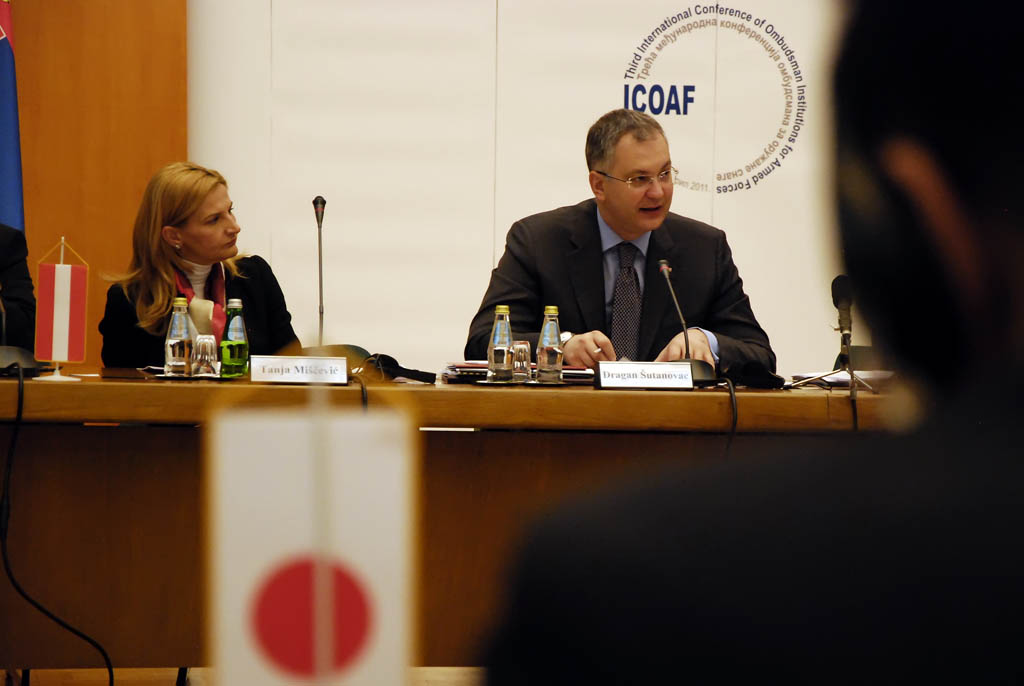 Welcoming the participants of the conference Defense Minister of Serbia Dragan Sutanovac said that there was an ongoing implementation of very serious reforms in the defense system. Professionalisation, new internal organization of the Ministry of Defence and of the SAF, the establishment of the University of Defence and the civilian democratic control of armed forces, are some of the elements of the reforms which the citizens of Serbia have estimated to be very positive on Serbia’s path to the EU.
- Ministry of Defence is therefore an important participant in the process of general democratization of Serbia. Certainly, these reforms are not an end to themselves, but are conducted to ensure the peaceful enjoyment of access rights for all citizens of Serbia - he said and stressed that all members of the Ministry of Defence have their rights guaranteed, and that the persons who carry guns have the same rights and fundamental freedoms as well as other citizens of Serbia, with which they may be limited by laws and specific situations. This confirms that the Serbian Army is not a privileged system, but an integral part of society.
- Monitoring and democratic control of armed forces have an important place in even better organized democratic countries because it provides transparency and confidence in these forces. System of protection represents a new approach to soldiers, NCOs and officers, and the work they do - said the minister. In particular, he pointed out that internal control at the Ministry of Defence is being done by the Defense Inspectorate and the Inspector General, where members of the MOD and SAF may refer all their complaints regarding the violation of their rights. As a second level of protection of constitutionally guaranteed rights and laws, members of the MoD and SAF can request and receive this protection from the Ombudsman of the Republic of Serbia.
- The Law on the Serbian Army, we have established an institutional framework for union organizing of the professional members of the Army of Serbia, in accordance with democratic principles and the principles of association of modern defense systems in the world – remarked the minister, adding that the unions are limited by specific conditions and institutions, so strike as an instrument of union struggle is not possible, and being involved in union activities is determined by the framework to provide for the operational and functional capabilities of the Army of Serbia. He noted that the Ministry of Defense had sent a proposal to the Serbian Government on the adoption of the Ordinance on the union of professional Army of Serbia, which will soon be the subject of debate in the Government.
 As regards gender equality in the defense, Sutanovac emphasized the adoption and implementation of UN Resolution 1325 on Women in Armed Forces mentioning that Serbia is leading country in the region and among the first countries in the world to start the implementation of this Resolution. Next in line is the introduction of confidantes in the peace missions of the Army of Serbia that will help the field to women victims of armed conflict, as well as advisors for Gender Equality in the defense system.
 In particular, the introduction of the Inspector General's service in the Military Security and Intelligence Agencies is of paramount importance, who as a civilian person should in specific conditions of their actions provide insight and oversight of the work of the said services. His work complements and is built upon the parliamentary control thus completing all elements necessary for full civil and democratic control of armed forces, as Defense Minister Dragan Sutanovac remarked.
At the start of the conference participants of the meeting were welcomed by the Ombudsman of the Republic of Serbia, Sasa Jankovic, who pointed out that this was an opportunity to deal with the highest standards comparative standards regarding the development of civilian control of armed forces. Human rights are universal values, indivisible and belonging to every man, where the members of the armed forces are citizens at the same time, and the armed forces are an integral part of the society, "said Jankovic.
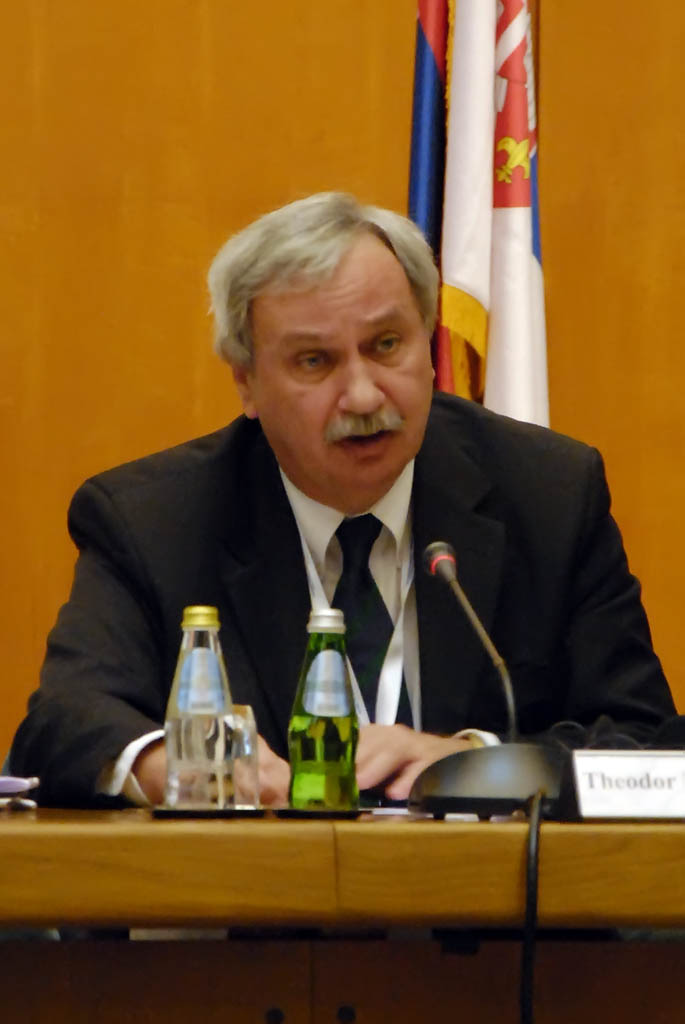
Director of Geneva Centre for Democratic Control of Armed Forces Theodore Winkler in his welcome speech, expressed his satisfaction with the presence of numerous participants from Serbia, which is important for the protection of human rights in the whole society, especially in the defense system. There is no ideal model, "said Winkler, and therefore the exchange of views and experiences of the wider circle of participants, is an opportunity for each country, taking into account its characteristics, to build a system of democratic control of armed forces and protect the rights of its members.
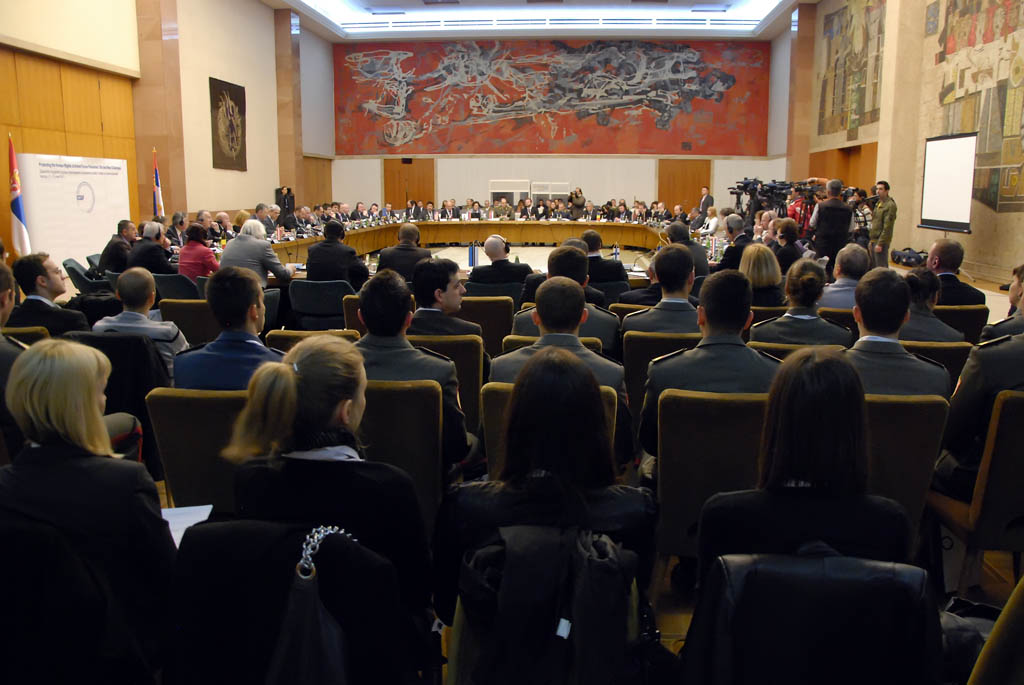
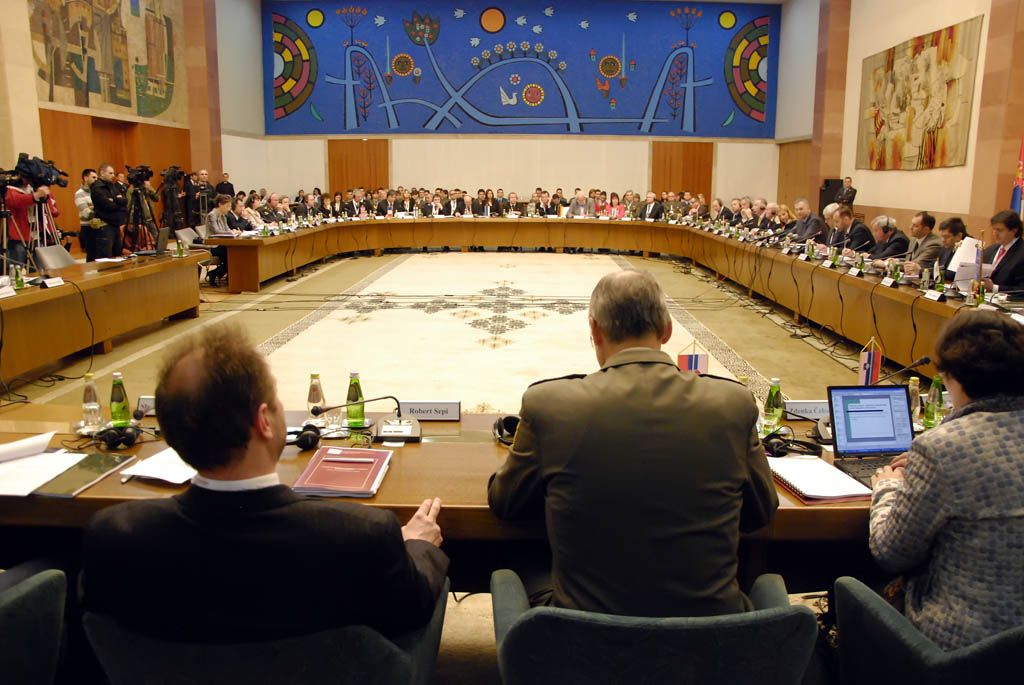
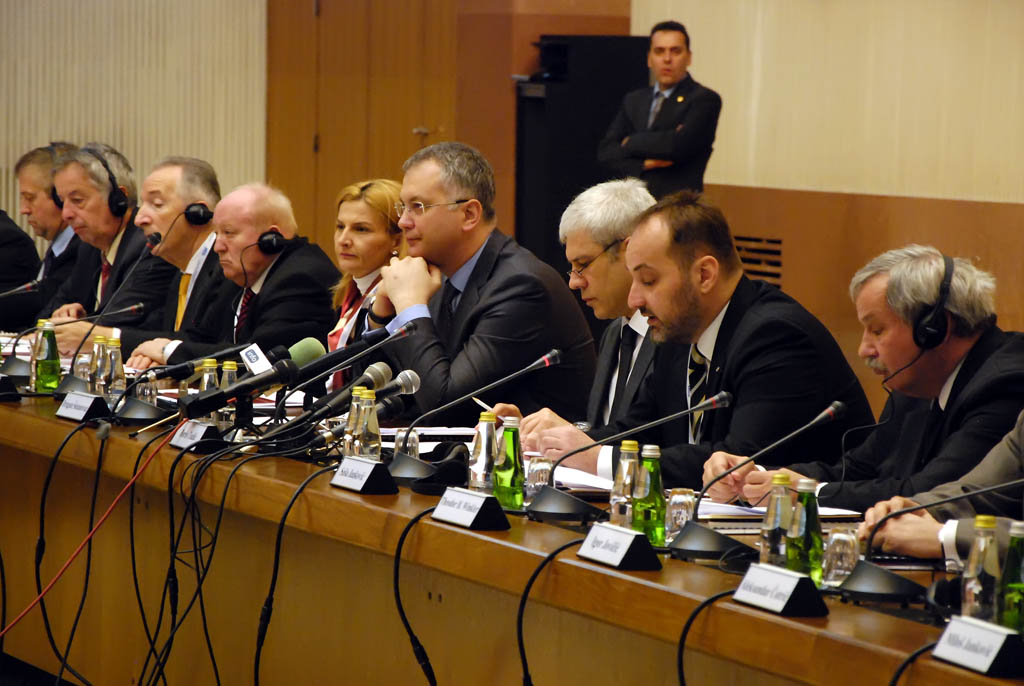
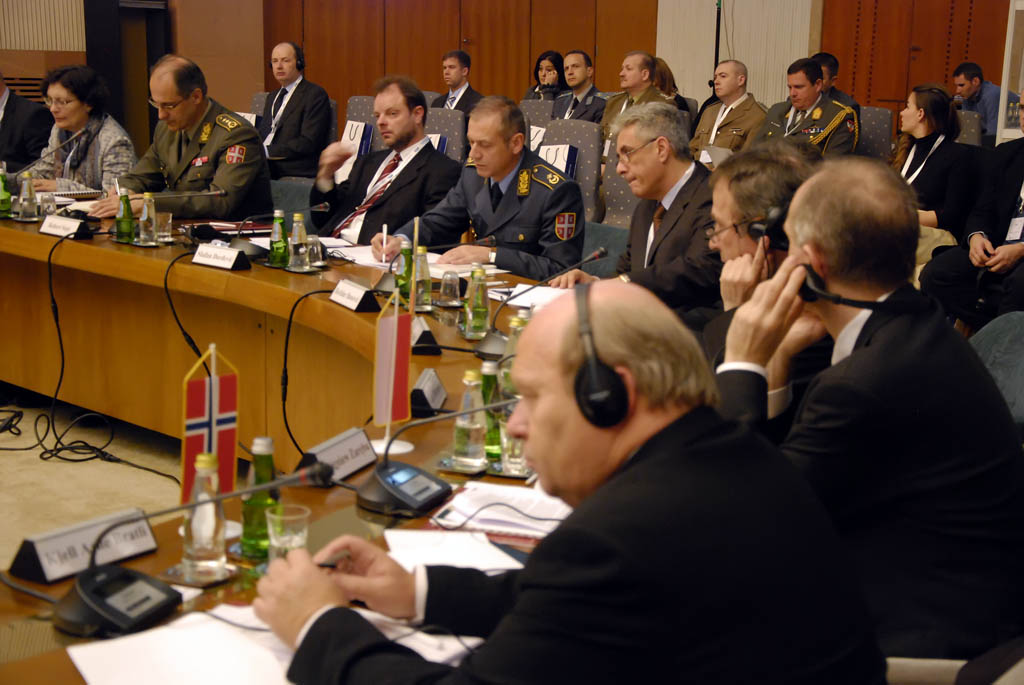
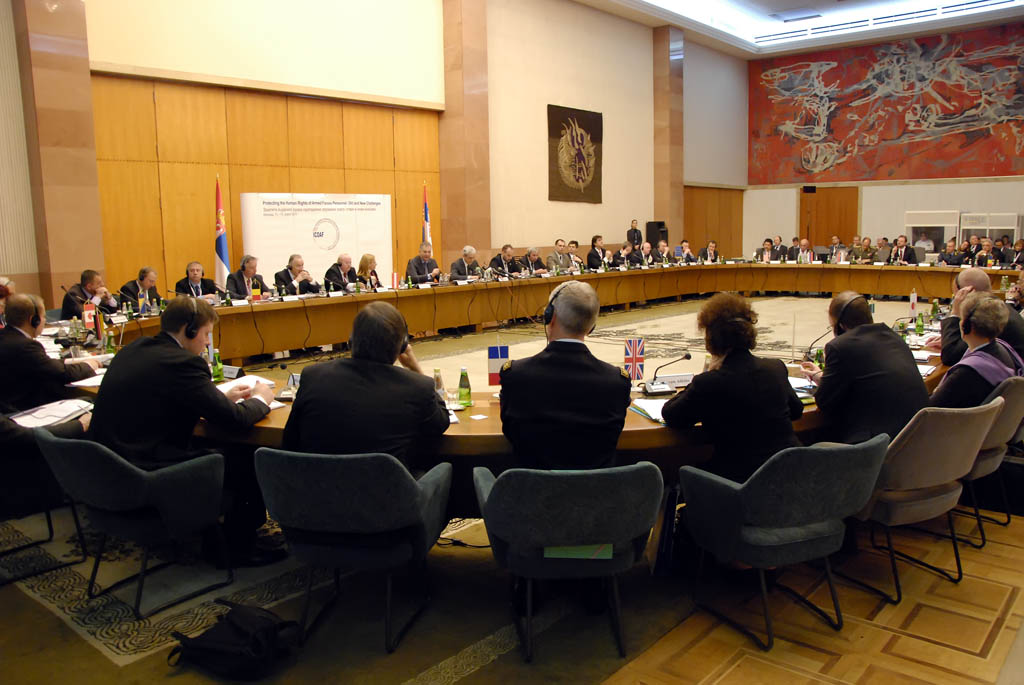
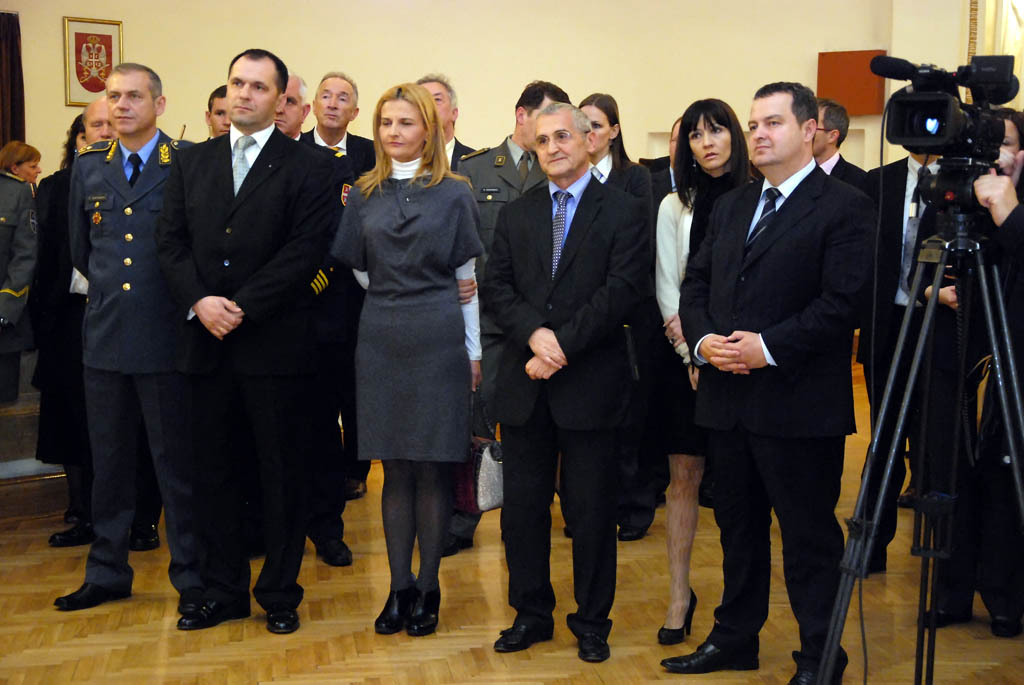
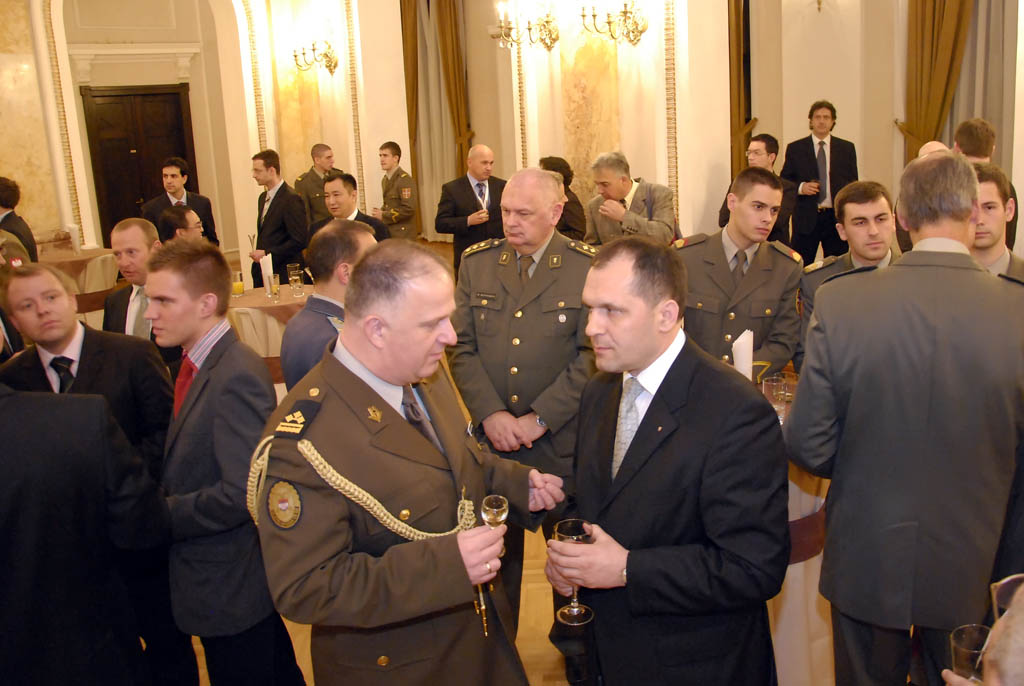
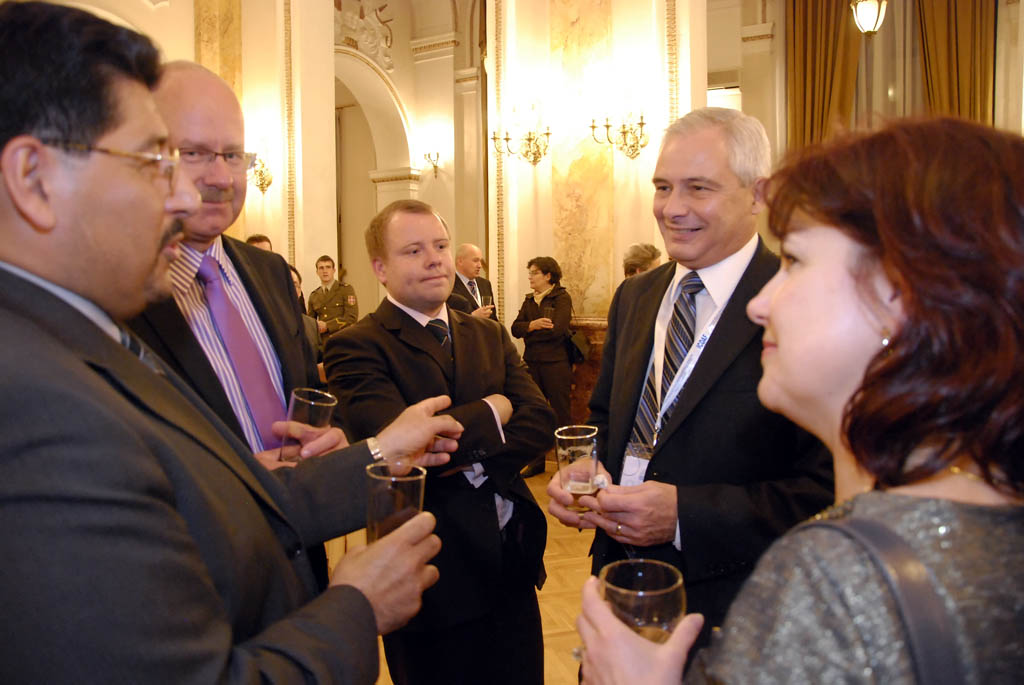
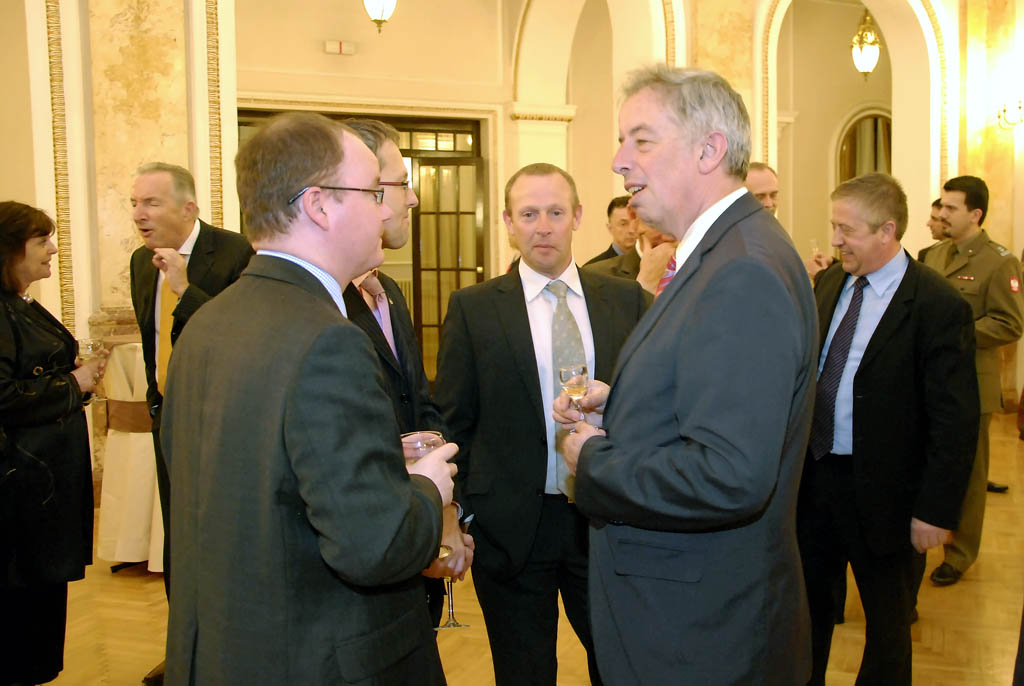
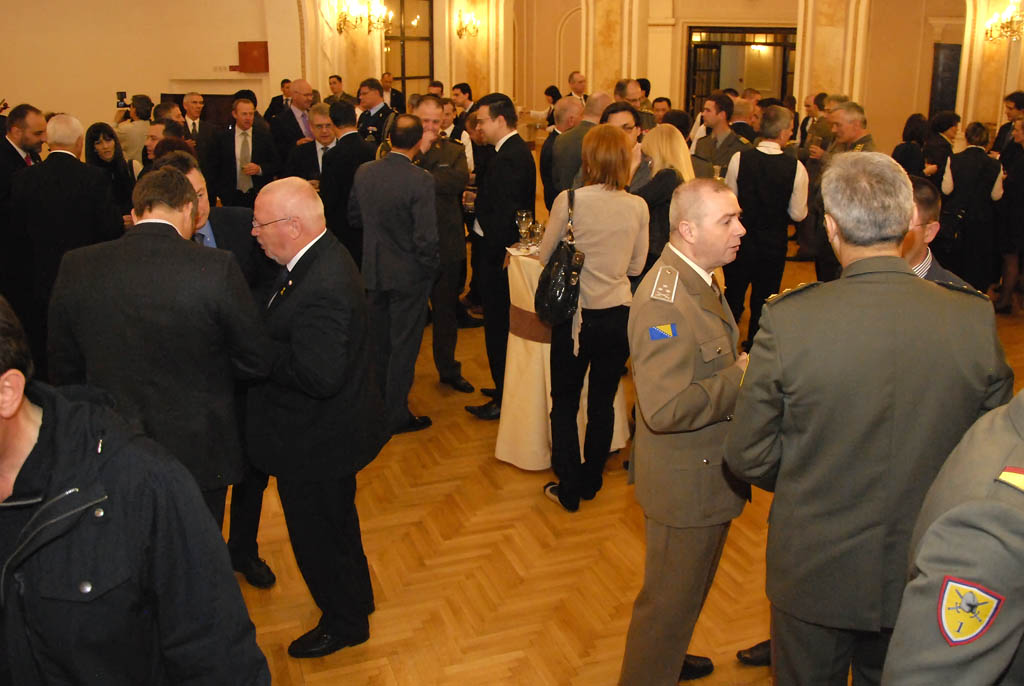
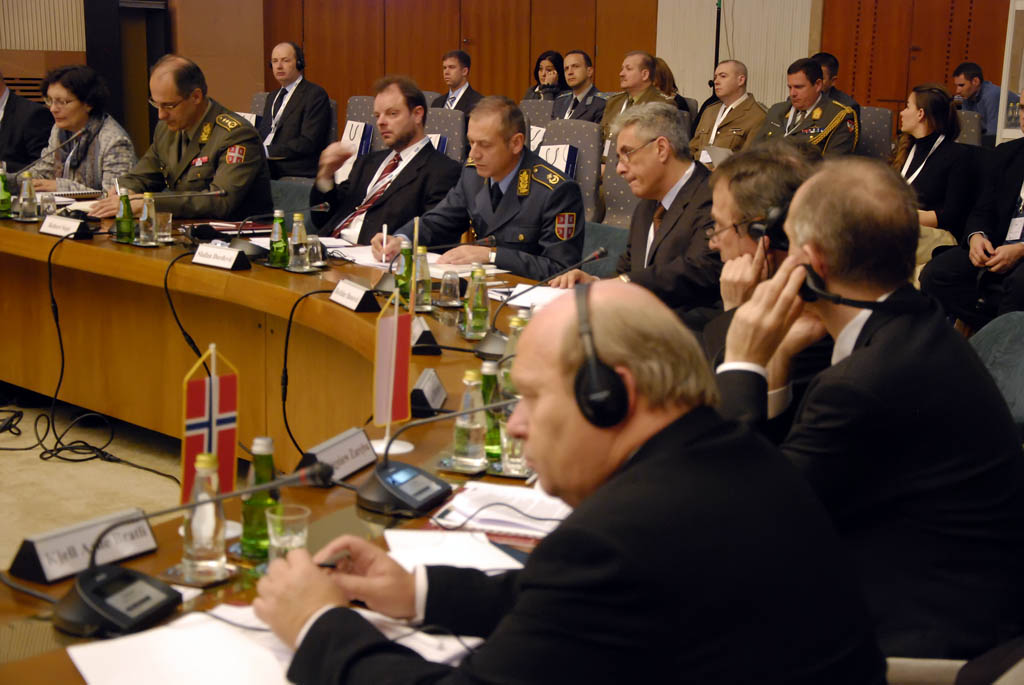
The participants of the conference held in the Palace "Serbia" continued two-day talks about the practice in the countries participating in the meeting regarding the role of ombudsman institutions in the protection of armed forces. Special attention is paid to their role in the protection of armed forces in multinational operations, as well as mode shapes and functioning of military trade unions and associations.
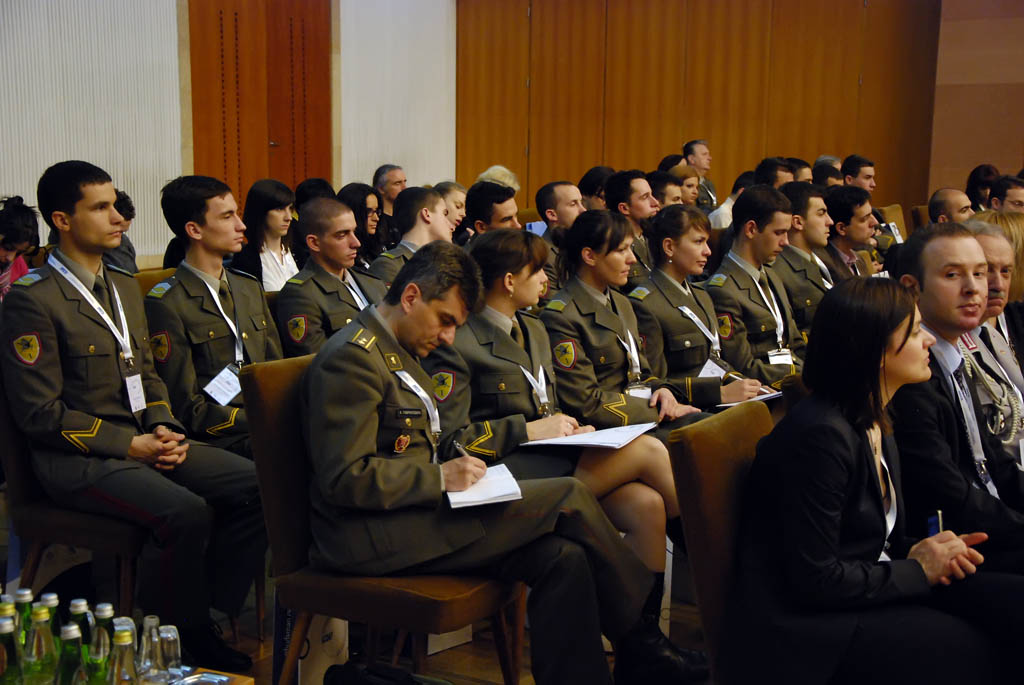
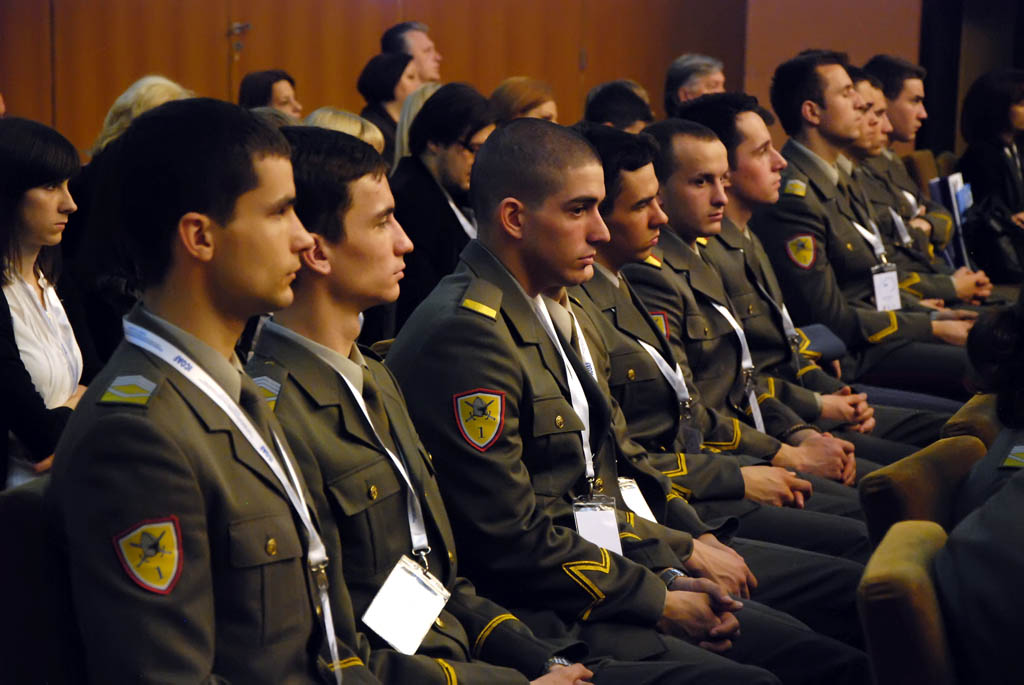
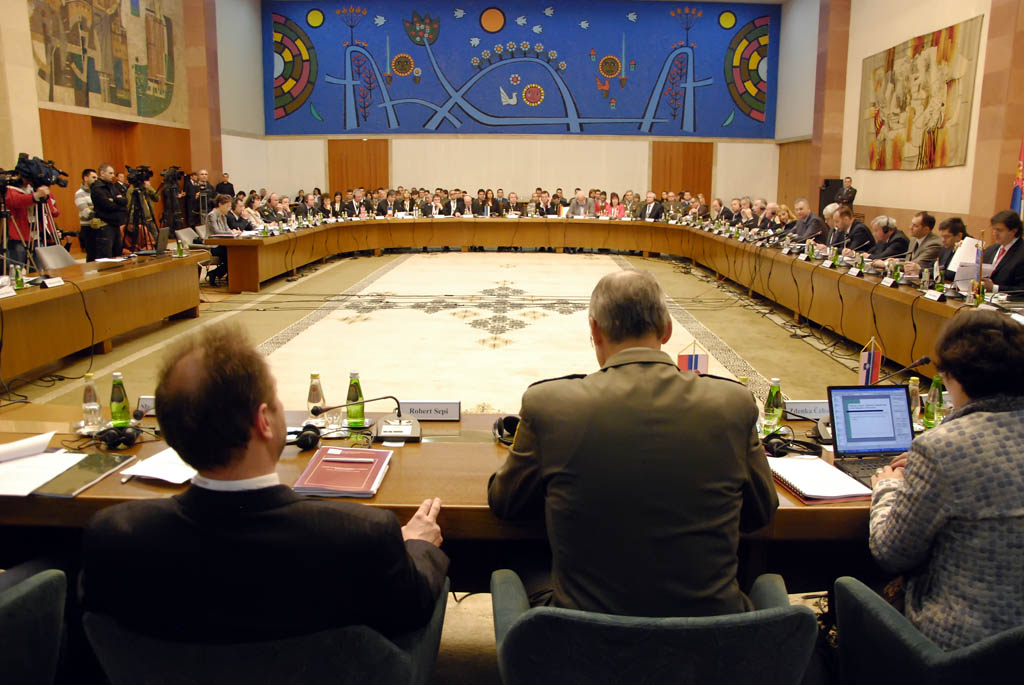 The conference involved representatives of the Ministry of Defense and the Army of Serbia, ombudsmen responsible for the armed forces, l inspectors genera, representatives of military labour unions and the parliamentary bodies responsible for the protection of armed forces from 19 countries. The conference was also attended by representatives of international organizations, academicians, NGOs and the media.
 It is planned that the participants of the Conference after the adoption of a declaration would express the common positions and proposals for improving the rights of armed forces
International conference is jointly organized by the Ombudsman of the Republic of Serbia and the Geneva Centre for Democratic Control of Armed Forces (DCAF) and supported by the Ministry of Defence of the Republic of Serbia.
 PHOTOGALLERY