15.09.2011.
President Tadic opens the first session of Belgrade Security Forum
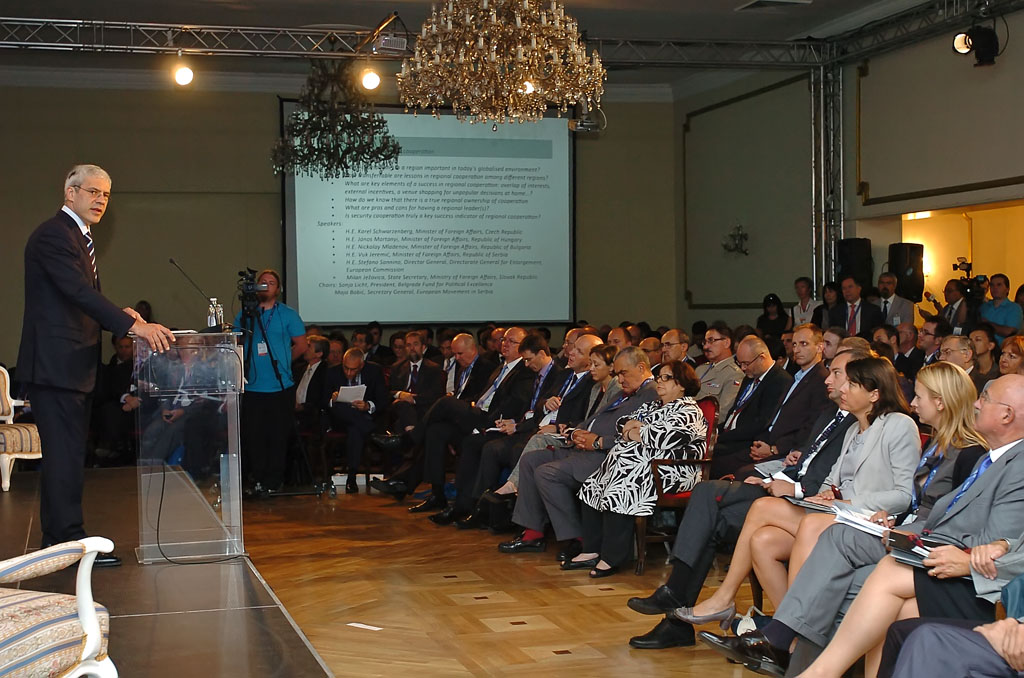
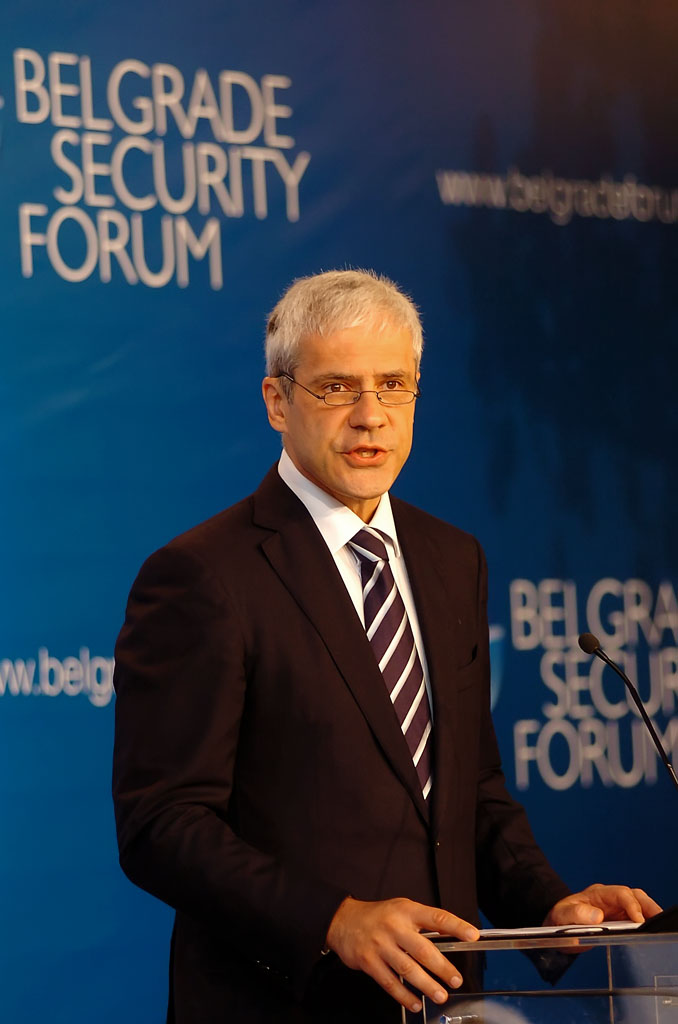
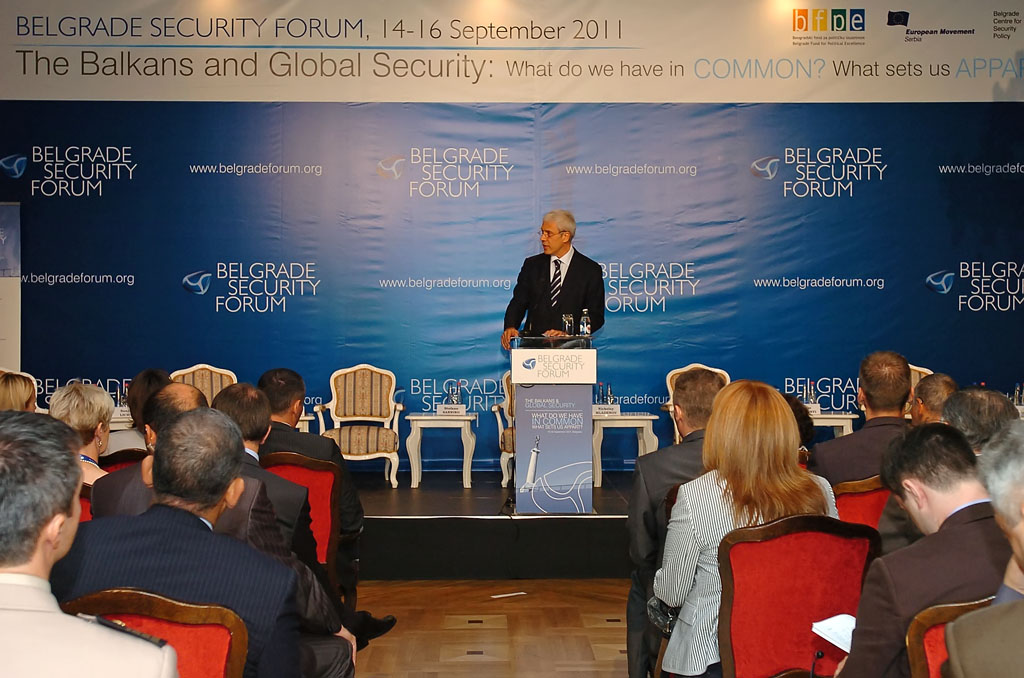
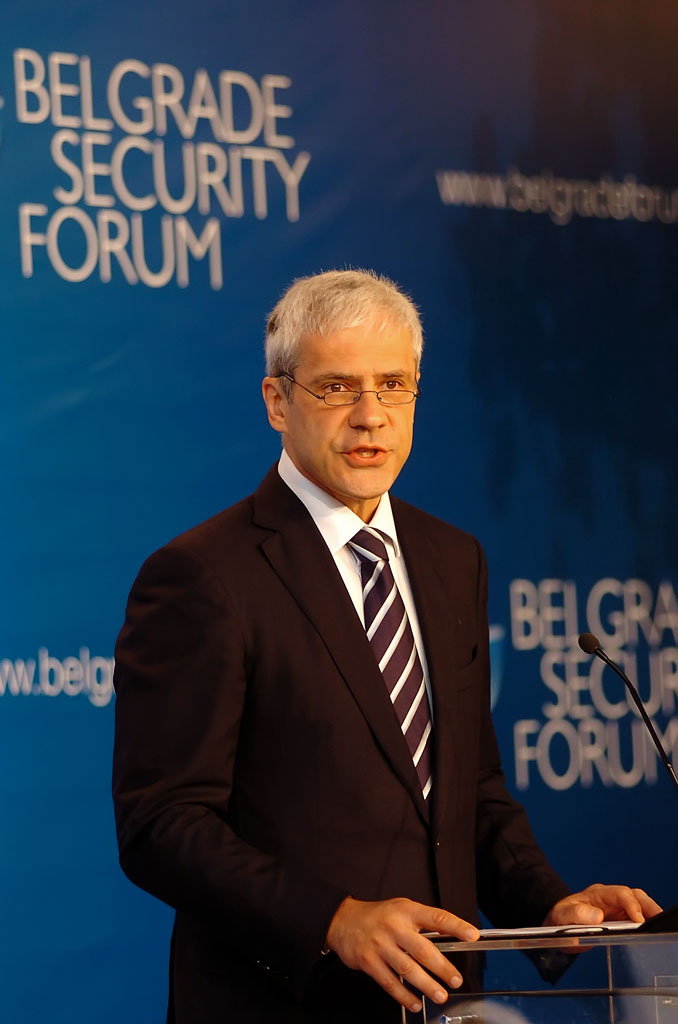 Serbian President Boris Tadic opened the first session of Belgrade Security Forum which focuses on discussing the current security topics of interest to the Western Balkan region.
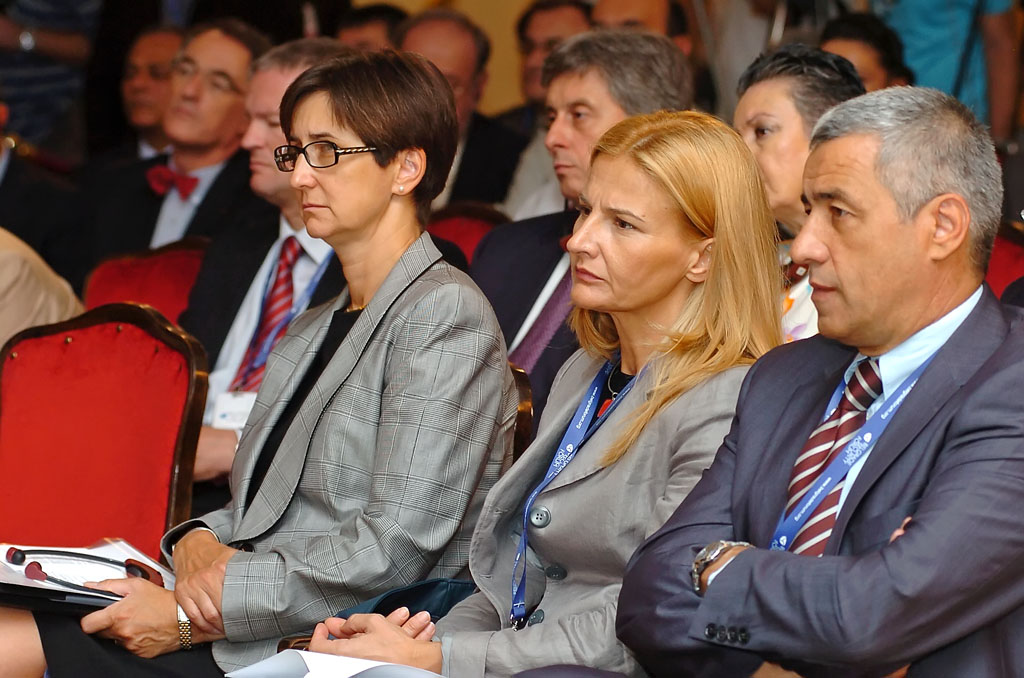
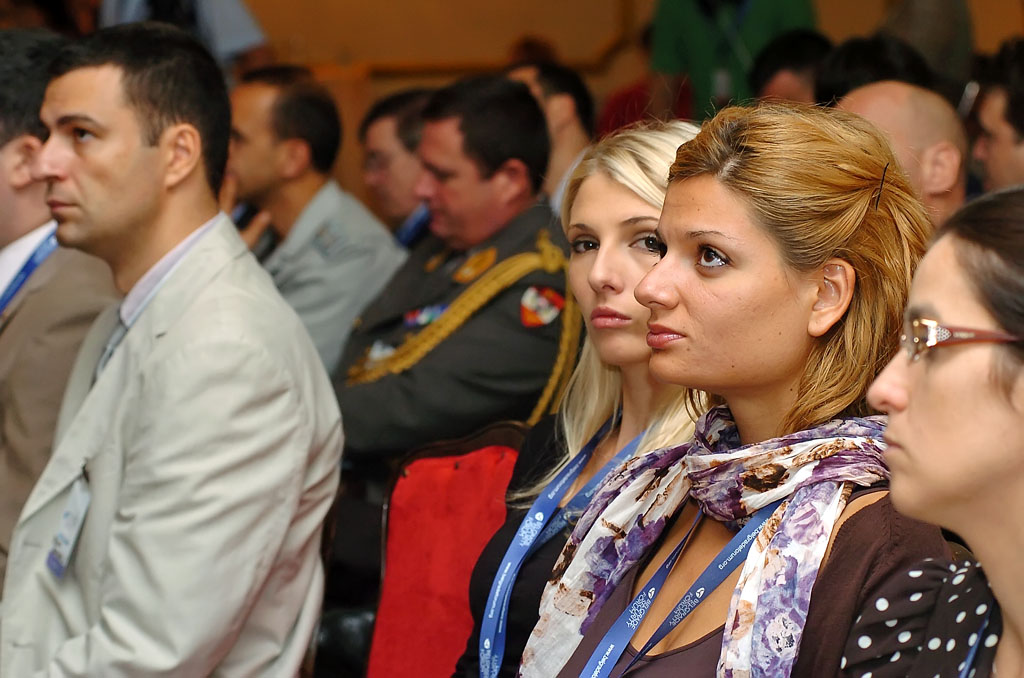
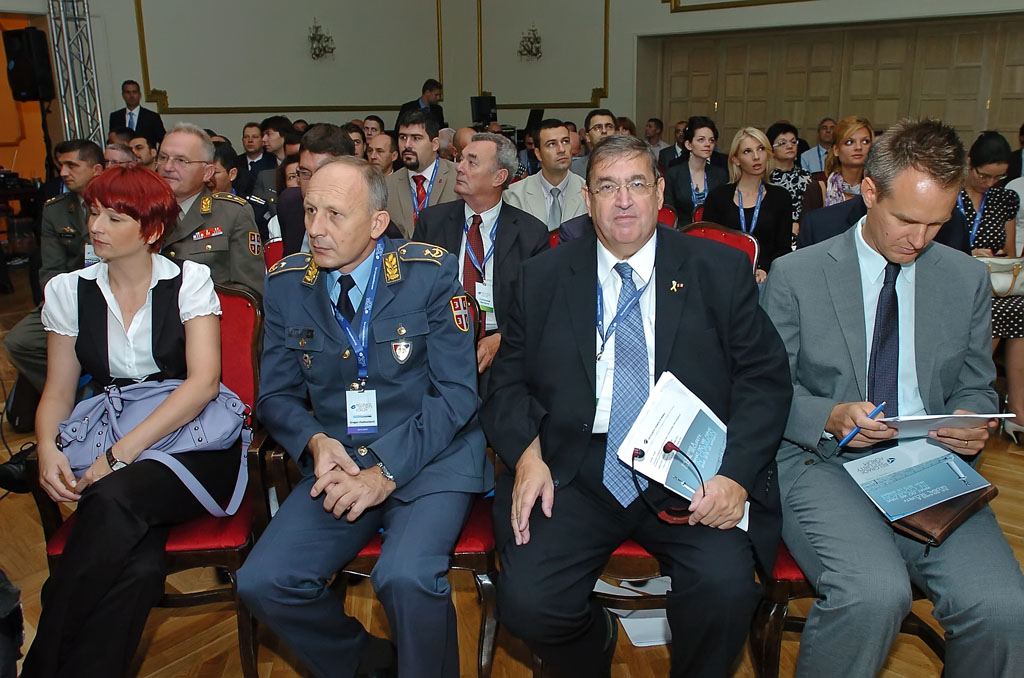
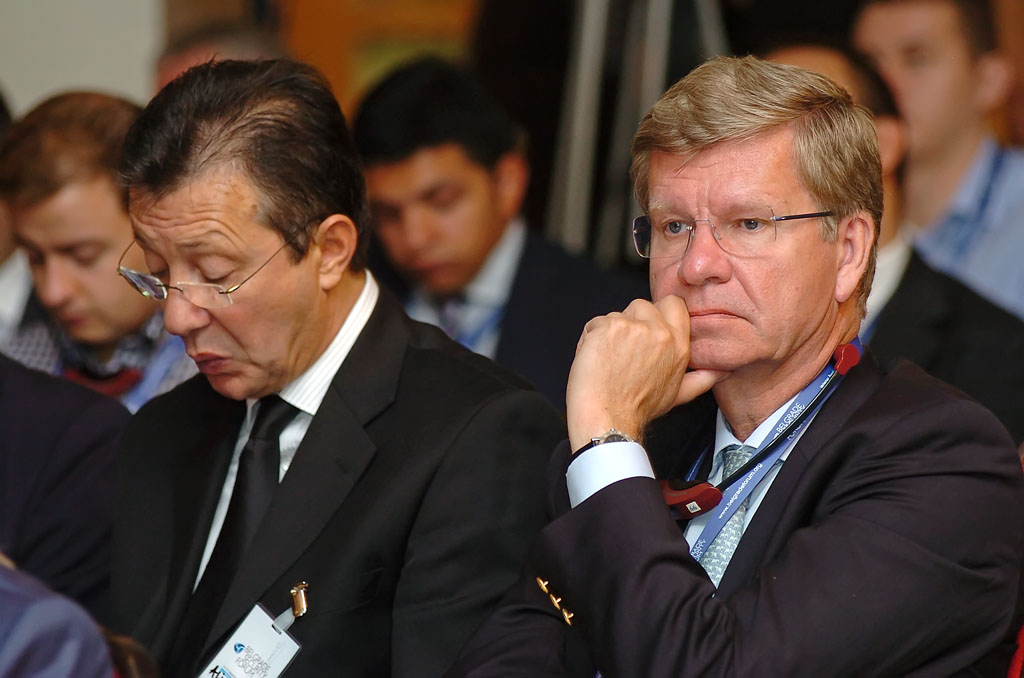
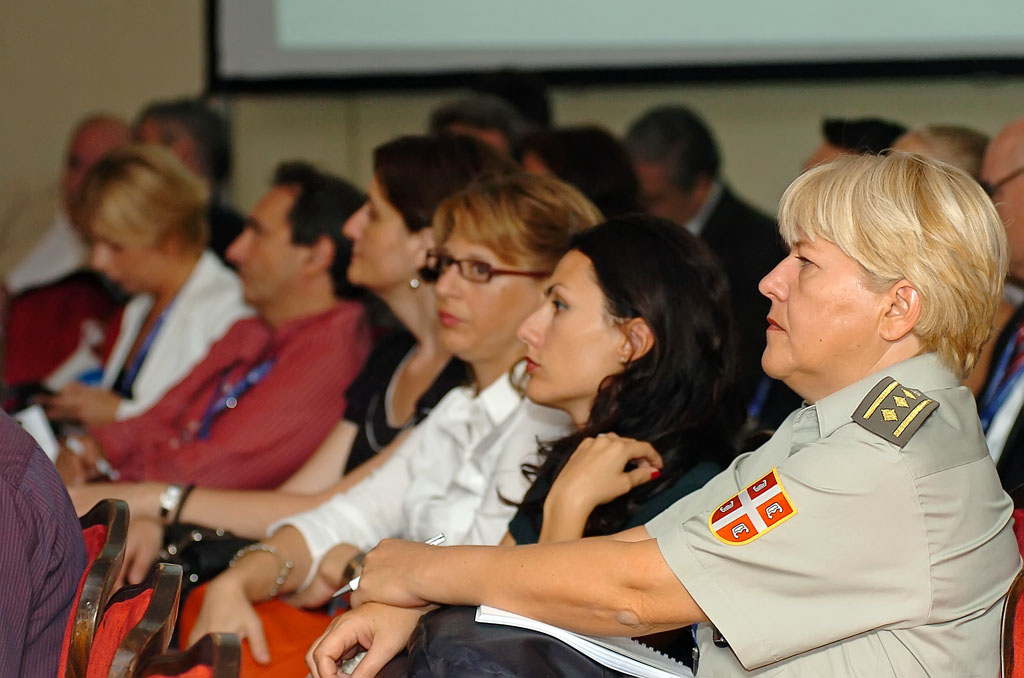
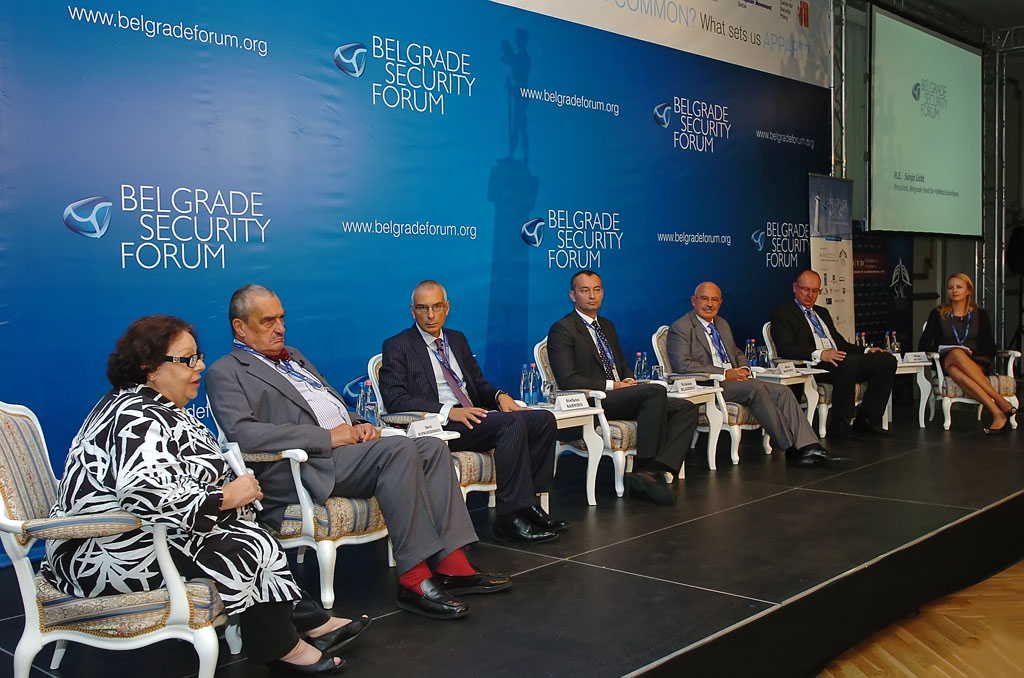
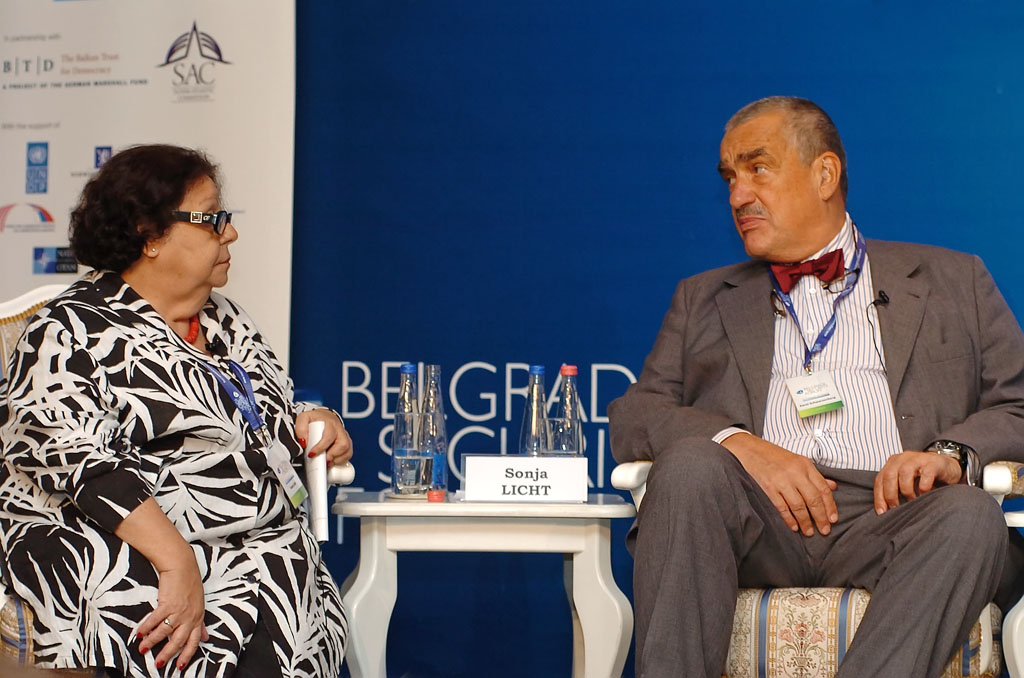
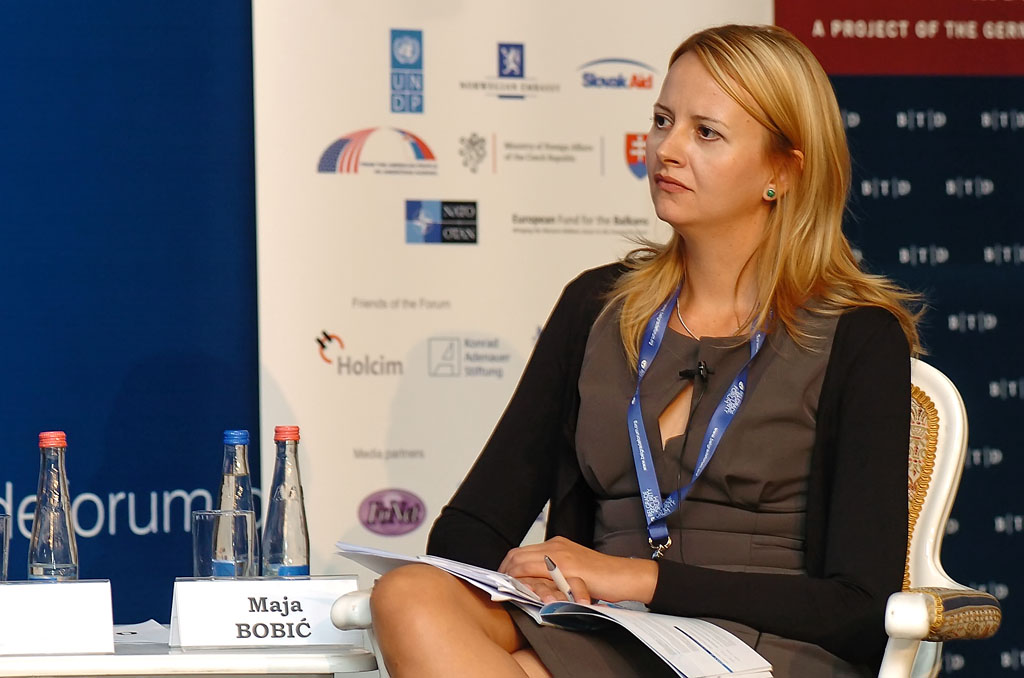
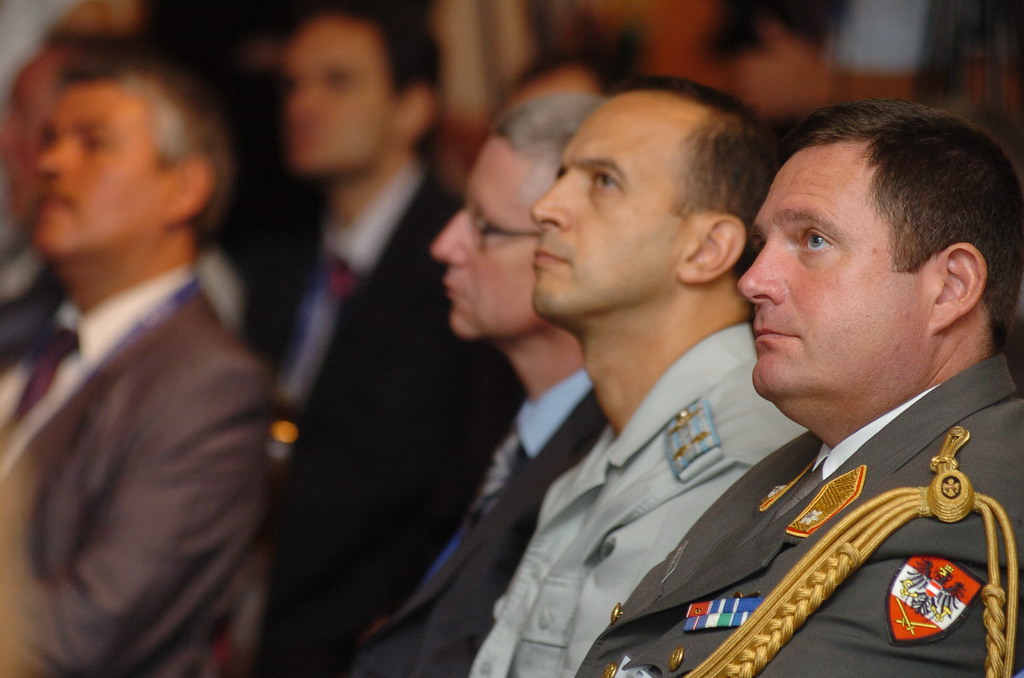
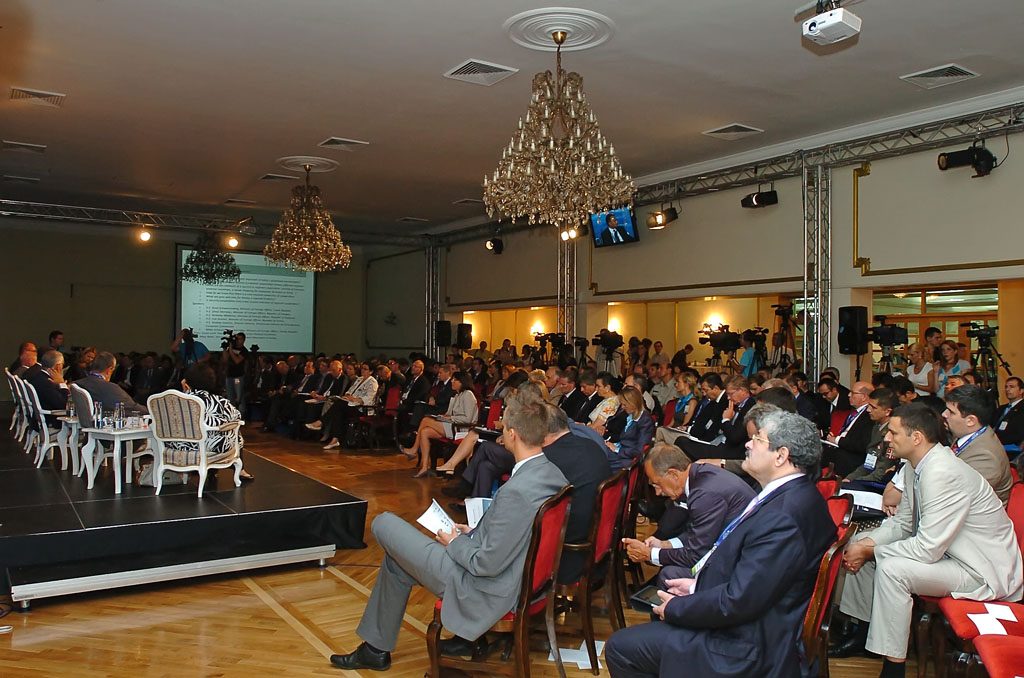
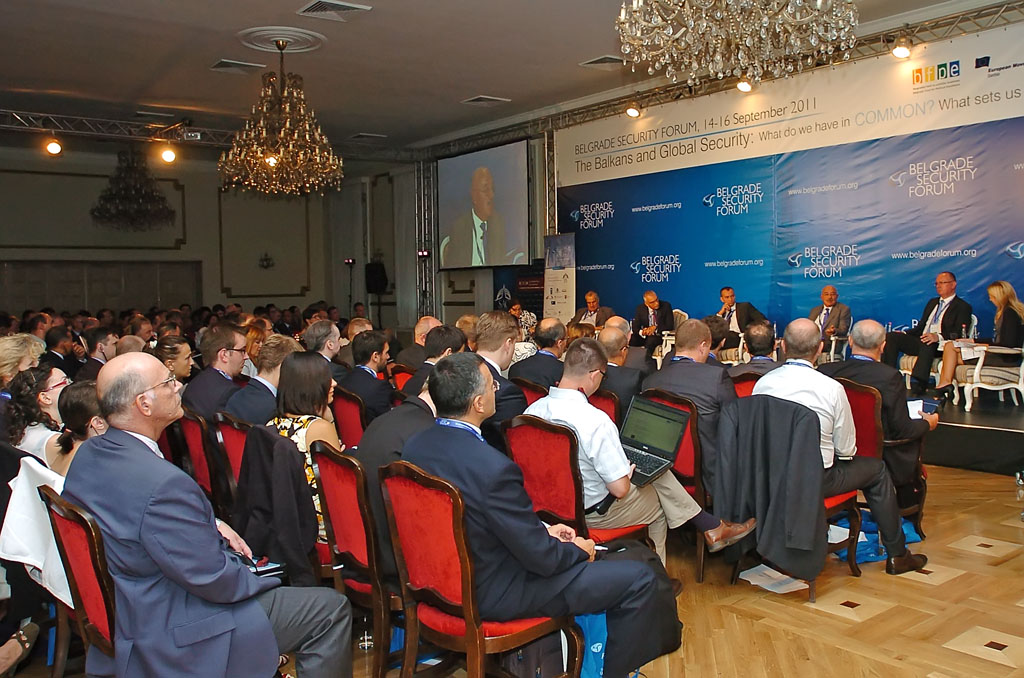
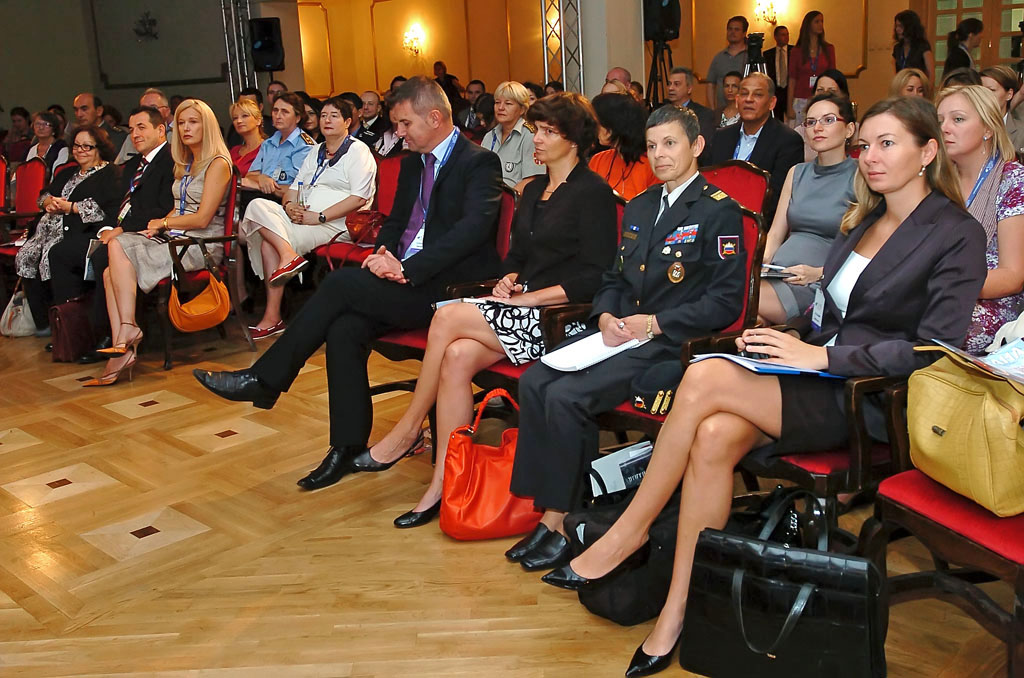
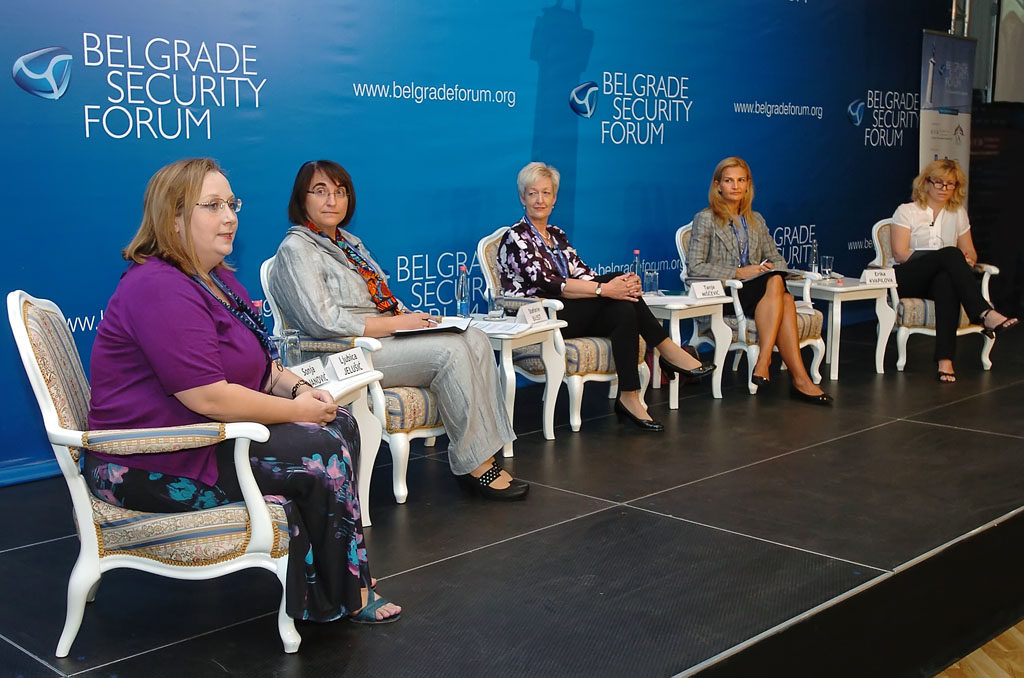
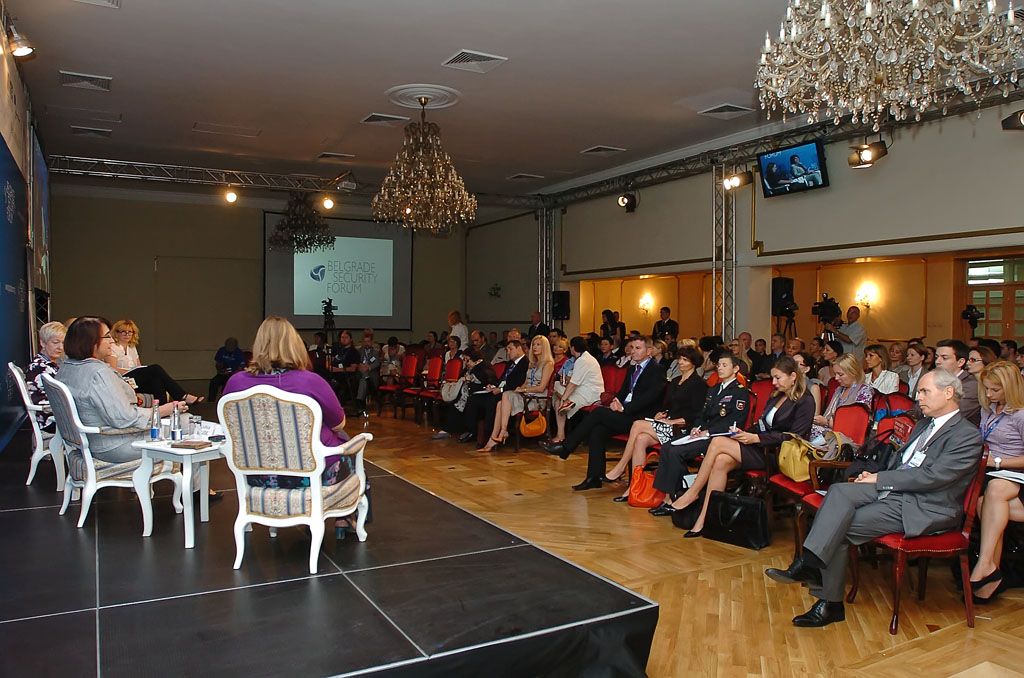
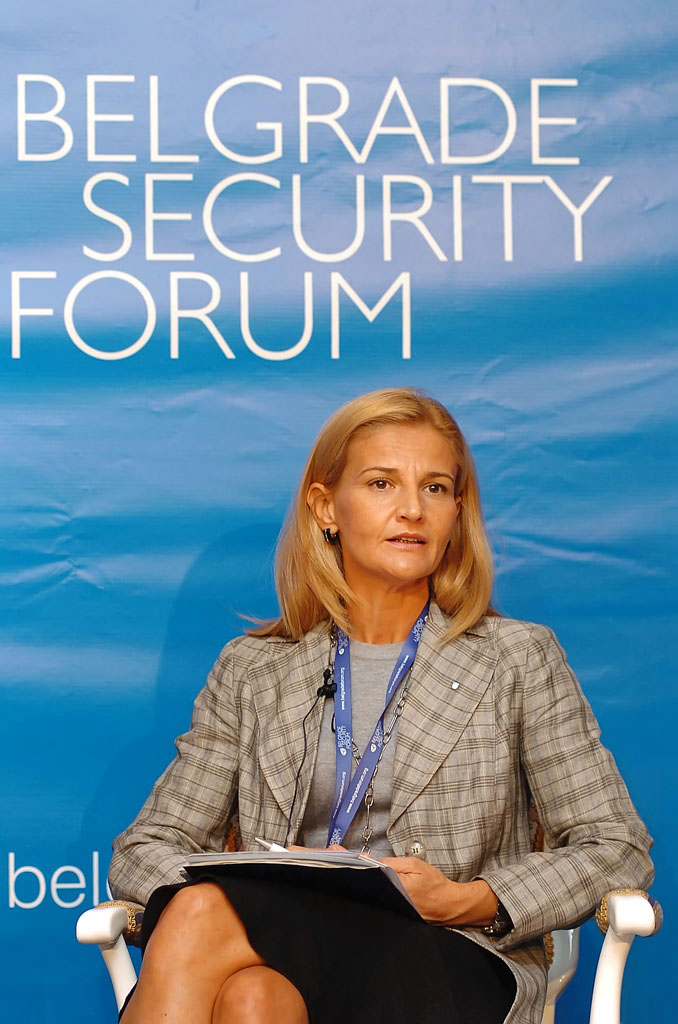
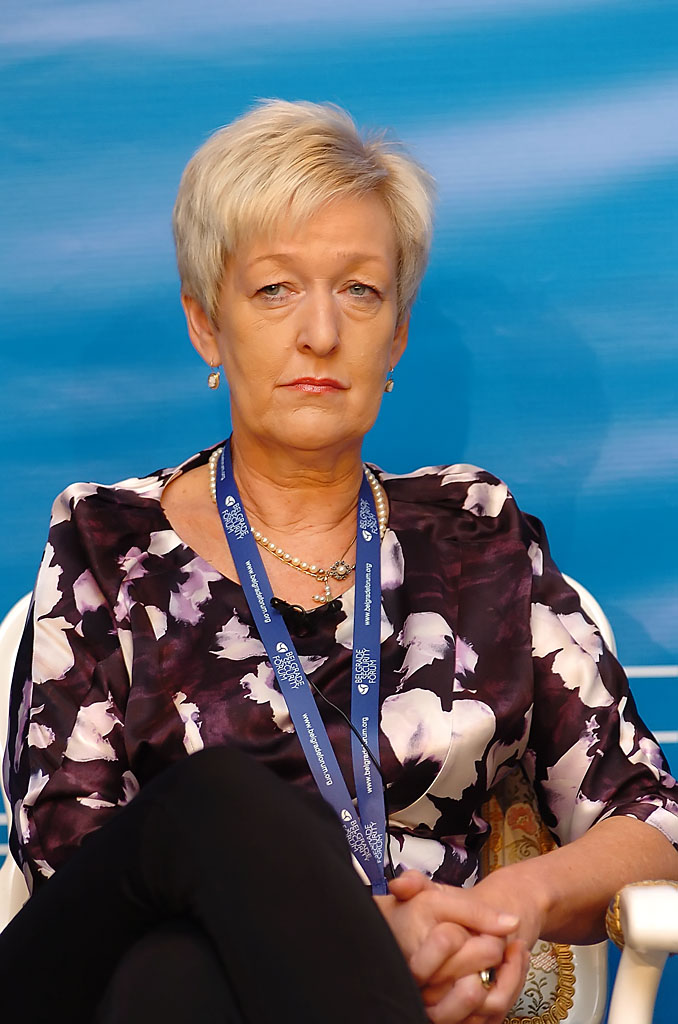
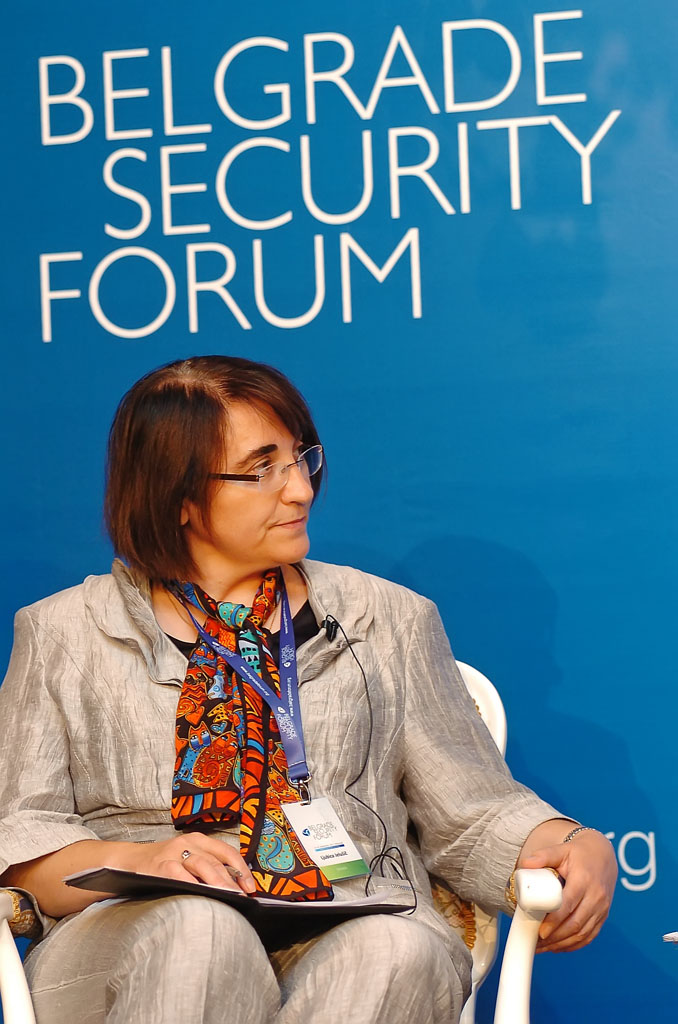
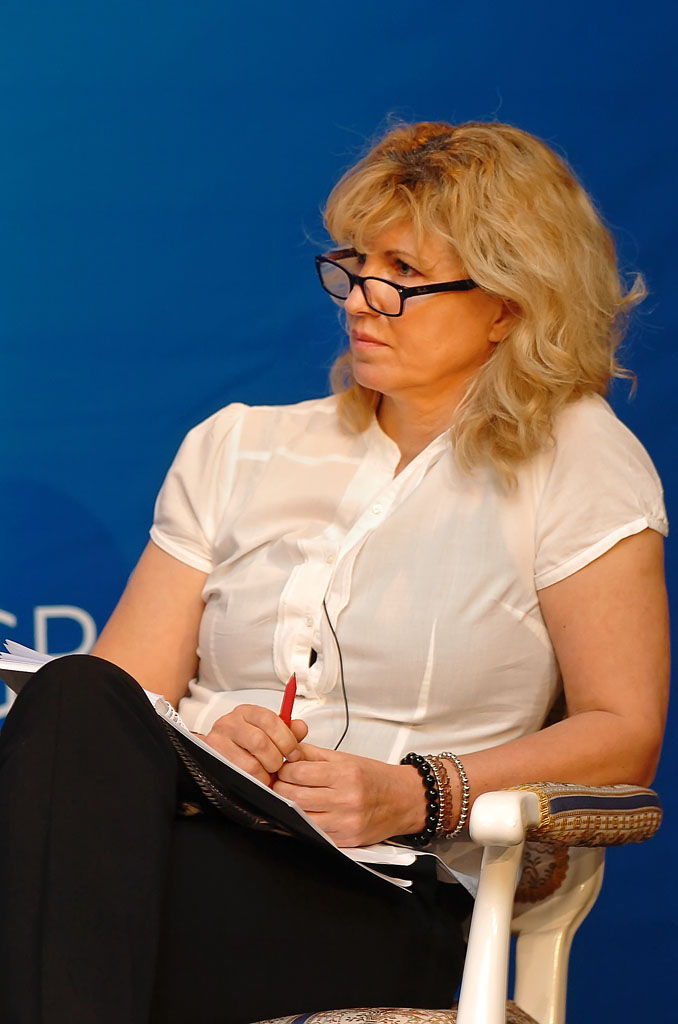
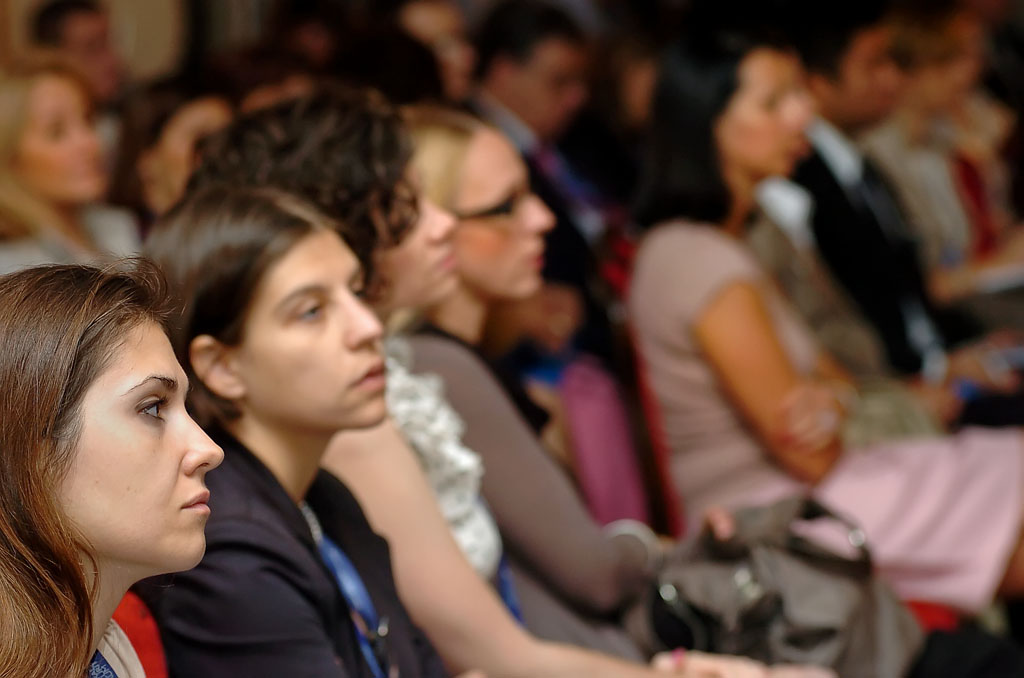
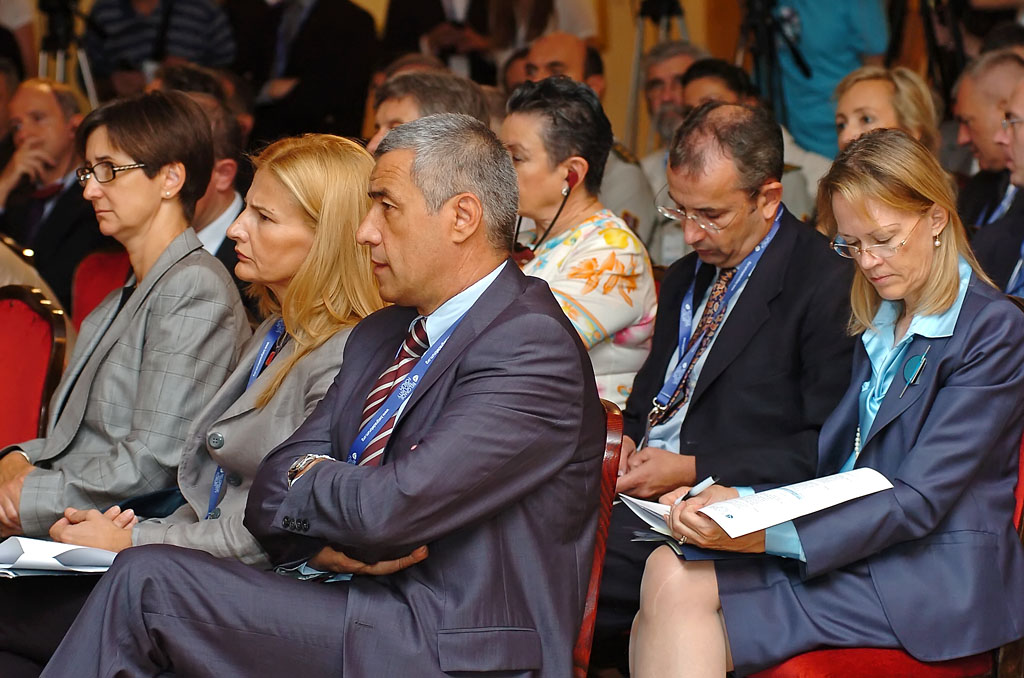
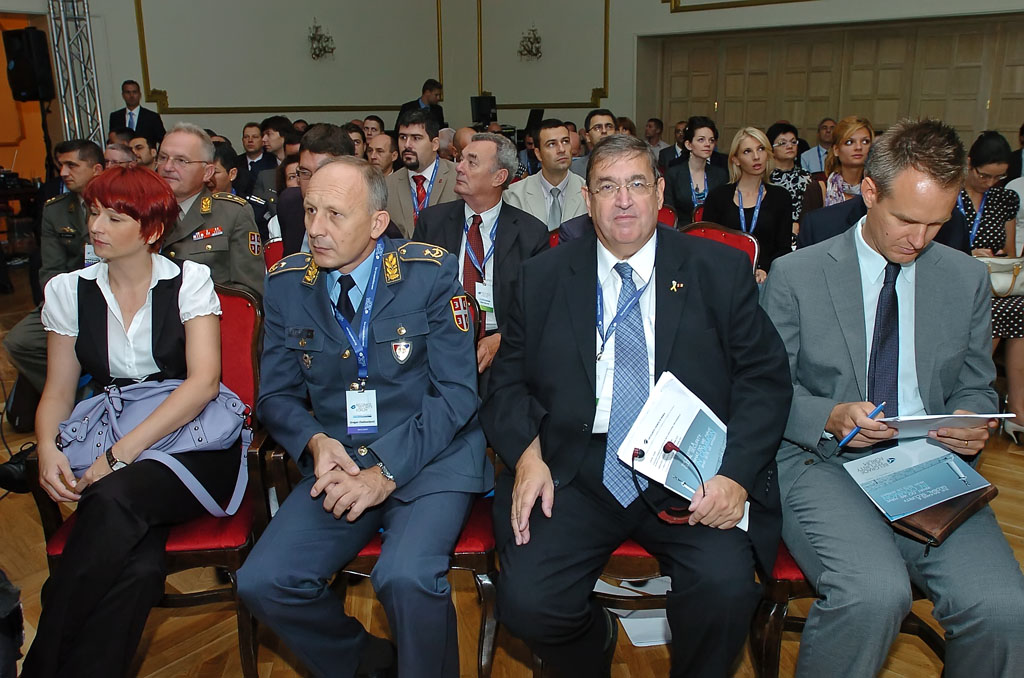
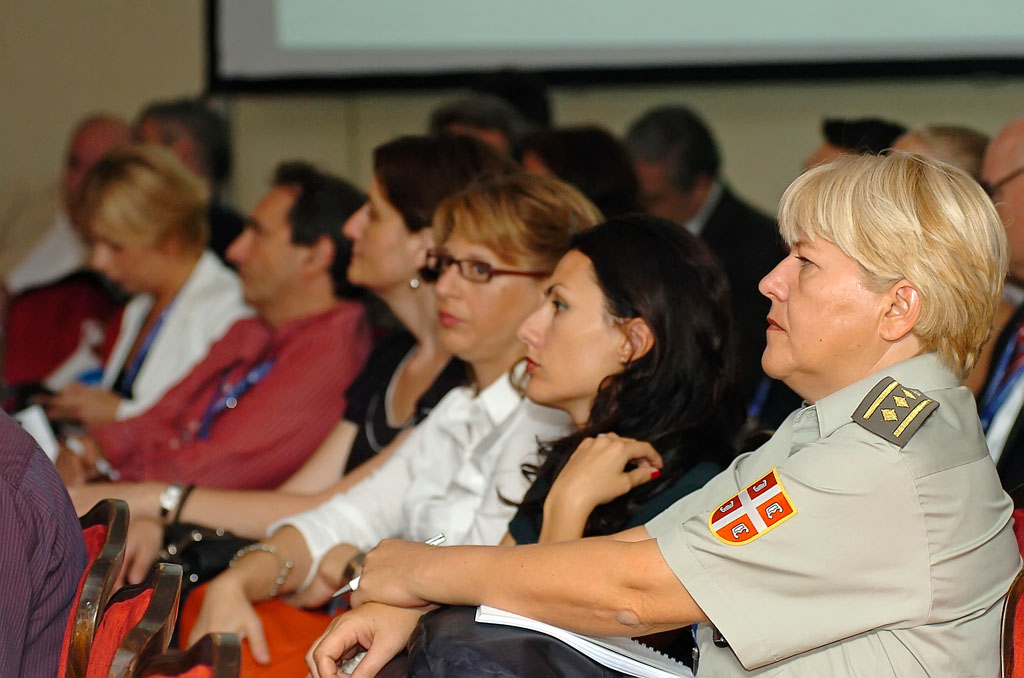
The Belgrade Security Forum, held from 14 to 16 September in the Central Military Club , and titled "Balkan and global security,: what we have in common and what sets us apart?" has gathered more than 300 home and foreign officials of European states, representatives of the European Union, NATO, and scientific research institutes, civil society, parliamentarians and others, with such important participants as the Belgrade Fund for Political Excellence, European Movement in Serbia and the Belgrade Center for Security Policy.
At the beginning of his expose, President I want to say at the onset that I do not believe any of the issues we face as a region set us fundamentally apart from the world’s security agenda. To be able to put regional security issues and developments in their proper context, I believe we should start from a brief survey of the global landscape. We are all so interconnected that it has become practically impossible to examine any region in isolation anymore.
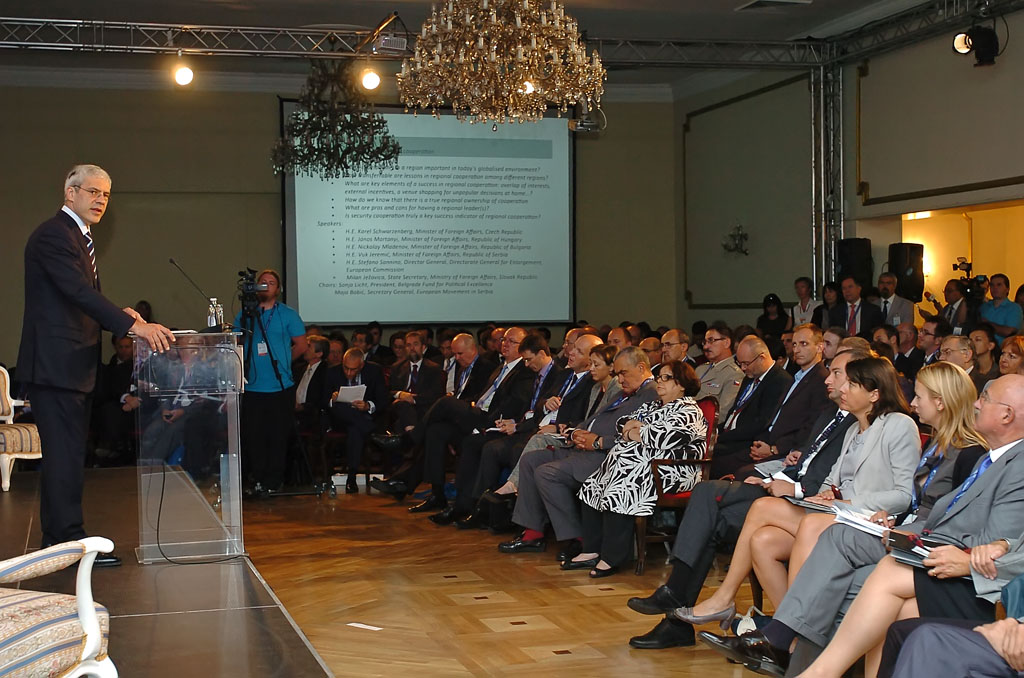 Let me start by saying that the international system is going through a period of great transformation: we are experiencing one of the most serious times of change in peacetime. Its exact nature, depth and scope are still too difficult to grasp. Brazil’s emergence, Russia’s reassertion, India’s ascent, and China’s rise have all contributed to an exponential increase in the complexity of the world’s game. But so has an inescapable trend in global finance—as traditional debtor and creditor countries engage in an unprecedented role reversal drama.
-
Two phenomena manifest themselves simultaneously and on a global scale: ‘power transition’ and ‘power diffusion.’ This has never happened before. The stage appears to be getting far more crowded and difficult to control. To this we should add the recent events in the Eastern Mediterranean—that is to say, the geopolitical uncertainty that seems likely to intensify further, due to the ultimate outcomes of the various revolts.
In sum, what we are witnessing is not just another generational reshuffling of the deck, but a drastic—and seemingly instantaneous—increase in the number of cards, players, and rules.
Today's world, as he pointed out, cannot be understood simply based on the security paradigm of the 20th century, because nothing is predictable as it seems.
-
 I have the privilege of discussing these issues with many leaders throughout the world. They’re all very concerned. No one seems to have a clear picture of what the world will look like in the not too distant future. Today’s world cannot be understood through the lens of the 20th century security paradigm. Simply put, nothing seems to be predictable anymore.
Under such circumstances, diplomacy is becoming more difficult to practice effectively—especially for smaller actors on the international scene.
A country like ours has to make very sure it assesses the international circumstances correctly.
We can unfortunately testify as to what can happen when one gets it wrong. Take 1989 for example. Throughout the Western Balkans, the significance of that year’s changes was profoundly misjudged. So while in many other parts of the world, 1989 symbolized the start of promising new era; for our region, it represented first and foremost a missed opportunity, leading to a great tragedy.
We are working very hard to avoid repeating the basic mistakes of 1989—namely to think one can ignore fundamental changes in international politics without consequence.
We also have to keep devoting a tremendous amount of energy to make sure we set the right proportion of means to ends—to determine the right balance of what is needed, with what may be desired. That is the role of statecraft: to bridge the divides, whilst securing legitimacy.
It is what has enabled the democratic transformation of the region to take place. This is the perspective from which I would like to put forward my view that the Western Balkans is a pocket of stability in a world of increasingly unpredictable change.
When you take a moment to examine the regional landscape with a dispassionate eye, I think it is fair to say that we are a success story in the making. We stand at the point of no return. We still face significant challenges, of course. I do not mean to downplay them, but only to emphasize that as a region, we are well on our way towards completing the process of democratic consolidation.
 For instance, we should recognize the many new levels of cooperation that exist in our region. In fact, relations have never been better. But the region must also acknowledge that as it develops, its successes can generate new challenges, like how to manage the democratic expectations related to our EU accession timetable.
 But at the end of the day, I think our achievements are irreversible. That is why I am absolutely certain that the Republic of Serbia and the rest of the Western Balkans will join the European Union. Let there be no doubt about that. This is a promise that will be kept.
Now, also consider how intertwined our economies are with just a few of the other security issues I just mentioned. Poverty and unemployment open the door for the expansion of organized crime and terrorism—from Somalia and Afghanistan all the way to our part of the world, both are now global industries. They are the dark side of globalization. They attach themselves to weak societies. They attach themselves to political and religious extremists. They attempt to buy and subvert democracies. Like water, they spread to where they find least resistance. They are global and globalised in their inter-connections.
This is not something we should discuss in detail, but I want you to know that Serbia has made a strong contribution to the fight against terrorism. We are a valued partner in ongoing efforts to contain and ultimately eliminate terrorism from the face of the earth.
Let me say a few words about organized crime. I consider it to be one of the greatest challenges to my country and, if I may say, to the whole region.
We have a common responsibility as Balkan leaders to eliminate this scourge on our societies, and Serbia will spare no effort in our quest to eradicate this threat.
We will continue to lead an informal strategic alliance against organized crime.
Serbia’s zero-tolerance policy means that no one—absolutely no one—will be permitted to stand beyond the reach of the law. Our police and judiciary institutions will continue their relentless pursuit of crime bosses and their collaborators.
 Speaking of global security threats President Tadic spoke about the current situation in northern Kosovo and Metohija. In our part of the world, when we talk about unilateralism and secession, we talk about Kosovo, we talk about how it has complicated regional relations, and we talk about the dangerous precedent it sets across the world.
 Kosovo’s UDI fundamentally violates these basic norms of global governance. If allowed to stand, it would cause severe damage to the international system in at least the following six ways.
 I think finding an alternative way forward would be in the general interest of the international community. That way forward is dialogue, producing a mutually-acceptable, compromise solution to the problem of Kosovo.
 This is the sort of positive precedent Kosovo could become. A precedent that overcomes divisions, not entrenches them. And a precedent that enhances stability and consolidates the peace—not one that makes people think they can threaten the use of force anytime they don’t get everything they want.
I must here express my grave concern: Unilateral action announced to happen tomorrow concerning an attempt of Pristina with EULEX to impose customs control at the administrative line in Northern Kosovo would seriously endanger peace and stability of the whole region. That solution has not been agreed between Belgrade and Pristina. This must be prevented.
- we will keep trying to accommodate the global changes in ways that serve the interests we all share—so that the entire region can emerge from the present inter-polar moment in a more advantageous position than the one we were in when the tumults began.
We still have a long way to go. It will take the hard work of a generation before we fulfill our declared goals. Yet this should not distract us from doing our duty—for otherwise, we run the colossal risk of falling further behind.
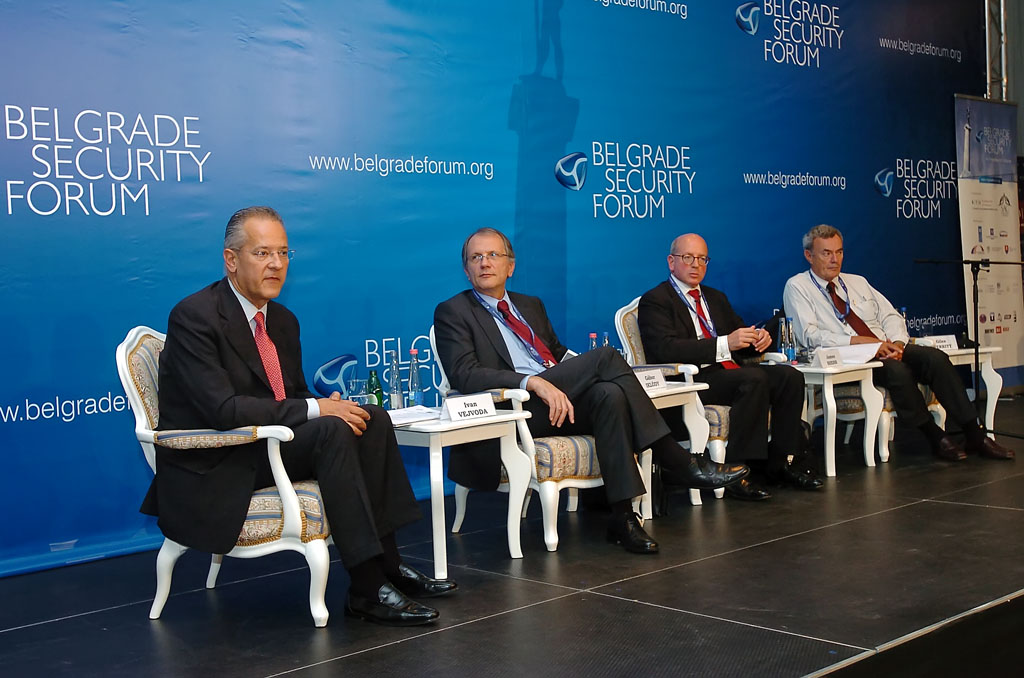
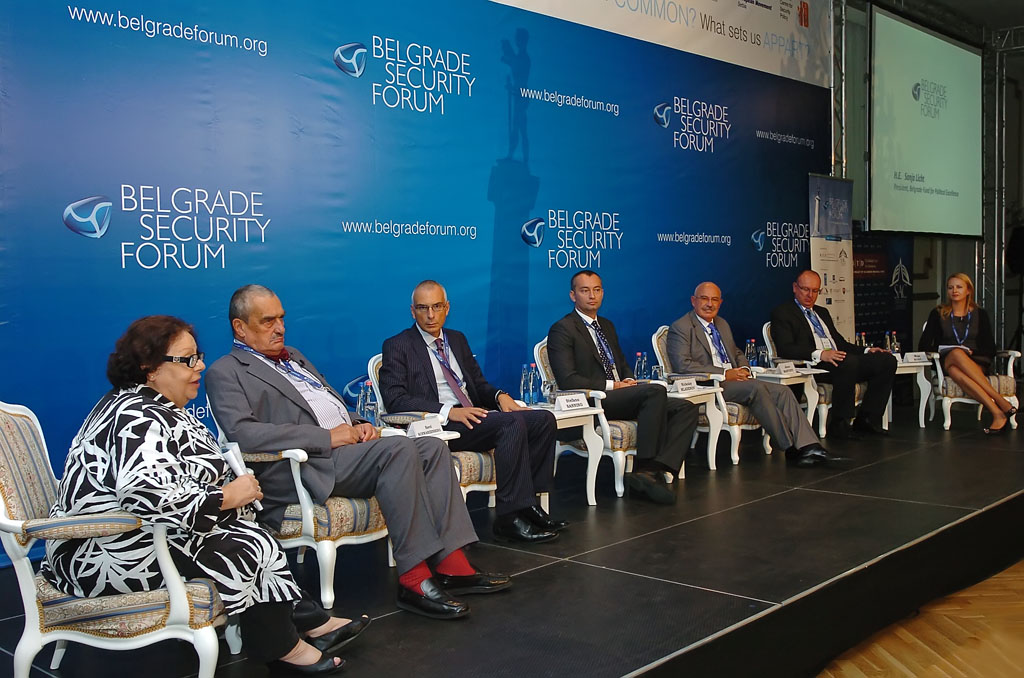 Among the participants of the discussion, the Ministers of Foreign Affairs of Serbia, Czech Republic, Hungary and Bulgaria, and the forum shall be attended by State Secretary at the Ministry of Defence, Dr. Tanja Miscevic.
The objectives of the Belgrade Security Forum are open European and global security debate and the Balkans, discussion of Balkan security issues within the European and global security, as well as presenting the Balkan developments and dilemmas participants of European and global security debate.
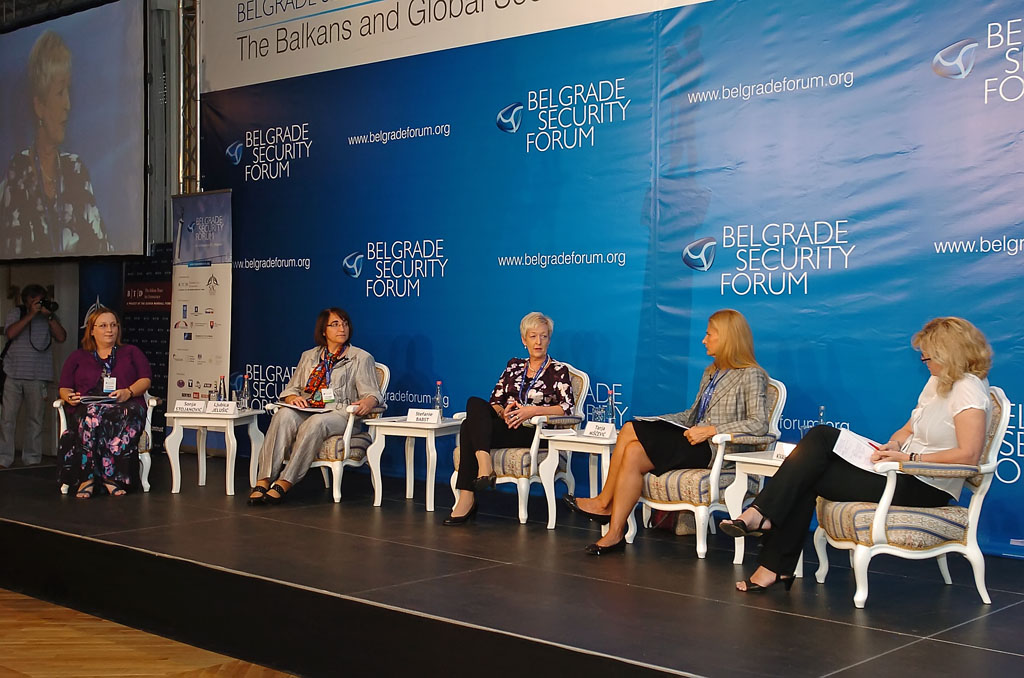
During the three-day forum will be in Belgrade, with the participation of over 70 foreign guests, to discuss energy security, a new role for Turkey, NATO and Russia in Europe, the consequences of regime change in the Middle East for our security, recipes for successful regional cooperation and security experiences of women at the head of the ministries of defense and international organizations..
 PHOTOGALLERY