

05.11.2026.
Remotely piloted aircraft pilot training
A military police battalion of the Serbian Army is conducting remotely piloted aircraft pilot training at the Rujnik military training area near Niš, in order to integrate these systems into their operations.
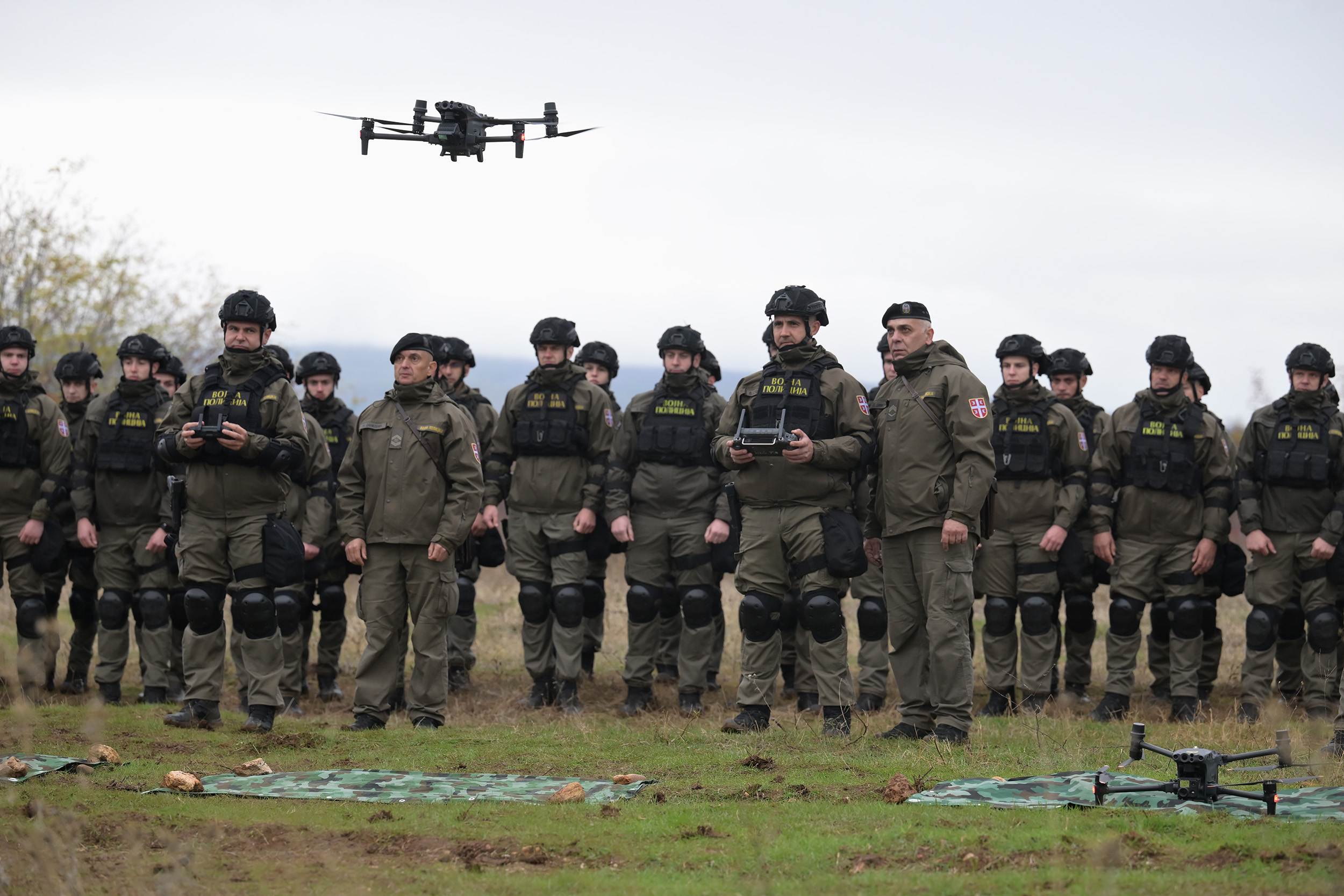 The training helps military police personnel acquire the necessary theoretical and hands-on knowledge on the data collection capabilities, characteristics and methods of use of these systems and thermal imaging cameras. Furthermore, they learn how to display the collected data in a common operational picture of the battlefield.
According to Captain 1st Class Đorđe Gligorić from the Command of the 3rd Military Police Battalion, his unit is equipped with cutting-edge remotely piloted aircraft designed for reconnaissance, surveillance, and the collection of information about enemy forces both during the day and night, in all weather conditions.
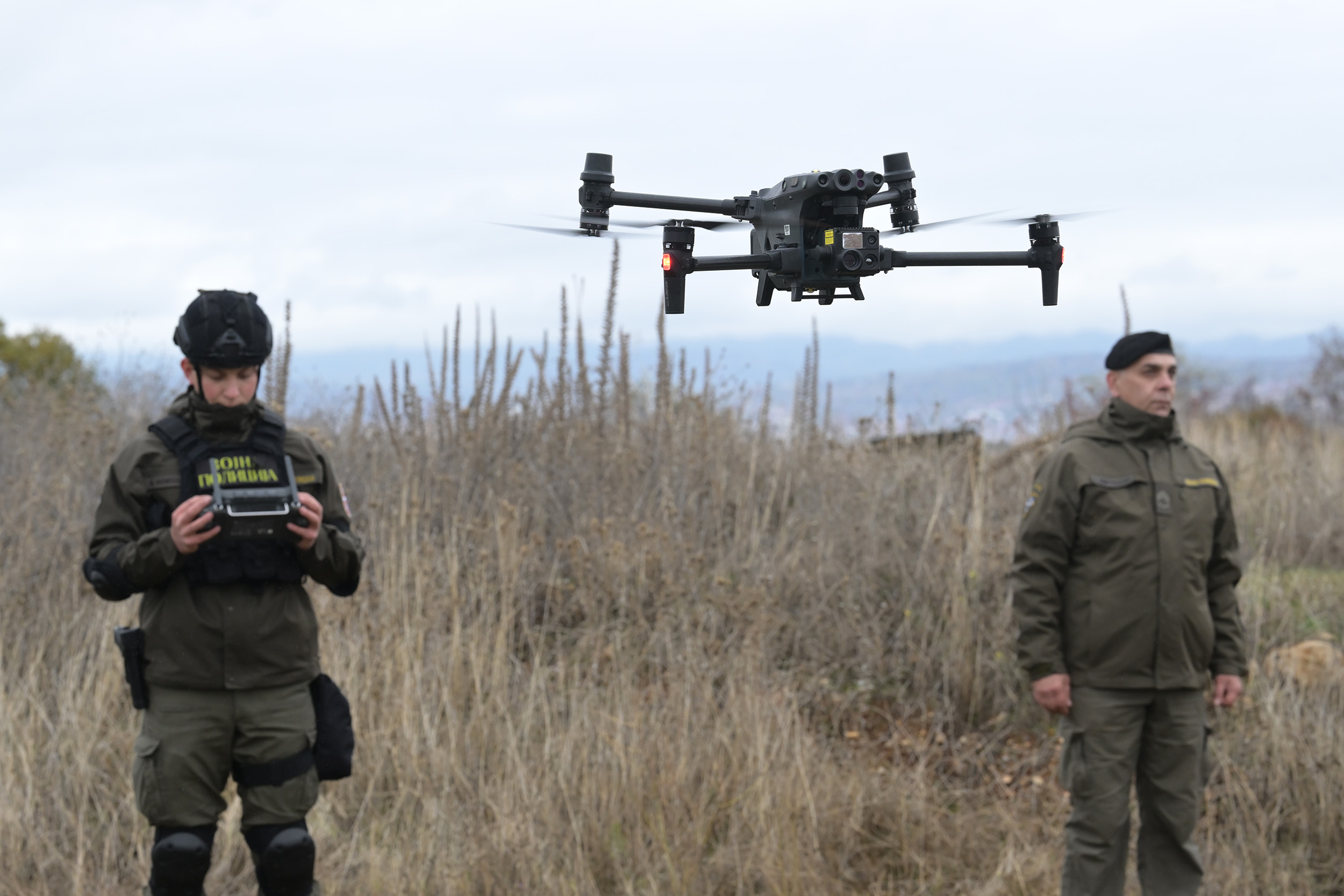 - The training is divided into three stages. The first stage covers theory, including procedures, measures, and actions used in operating remotely piloted aircraft. During the second stage, we carry out pre-flight preparations and flight manoeuvres at low altitudes - 3 to 7 metres, as well as aircraft control. Once we complete this, the aircraft are ready for their designated tasks. During the training, we use two moving target groups: a motorised and a foot patrol. We detect them using the aircraft, which transmit a video feed to the third stage, where, in real time and space, we track the movement of these groups - said Captain 1st Class Gligorić.
Speaking about the specific nature of the training, Junior Sergeant Stefan Lepović points out that it requires a particular set of skills and a high level of dedication.
- The training is very interesting. It is not physically demanding, but it requires deep concentration, excellent motor skills, close attention to detail, and a lot of learning - said Junior Sergeant Lepović.
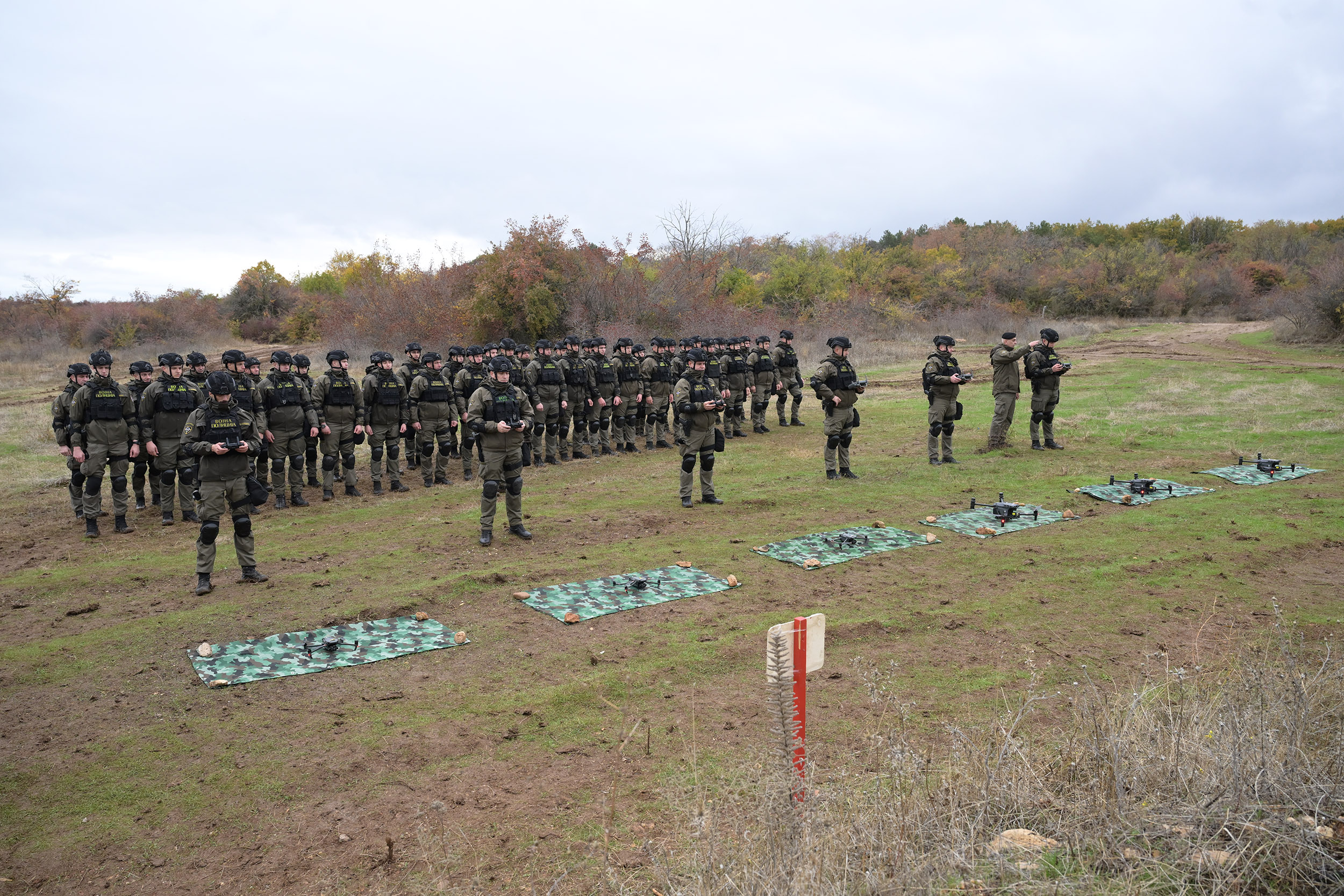 Fielding remotely piloted aircraft to Military Police units has enhanced their operational capabilities, primarily by increasing situational awareness, providing better insight into the situation on the ground, and creating better conditions for timely decision-making. Furthermore, task execution efficiency has been improved, response time in emergency situations has been reduced, and the safety and protection of friendly forces have been enhanced.
