


21.10.2026.
Technological development of Serbia’s defence industry, enhancement of Serbian Armed Forces’ combat power
The defence industry is as a major driver of a country's scientific and technological development, and scientific breakthroughs, innovation, and sophisticated military systems and platforms have a positive effect on many other industrial sectors.
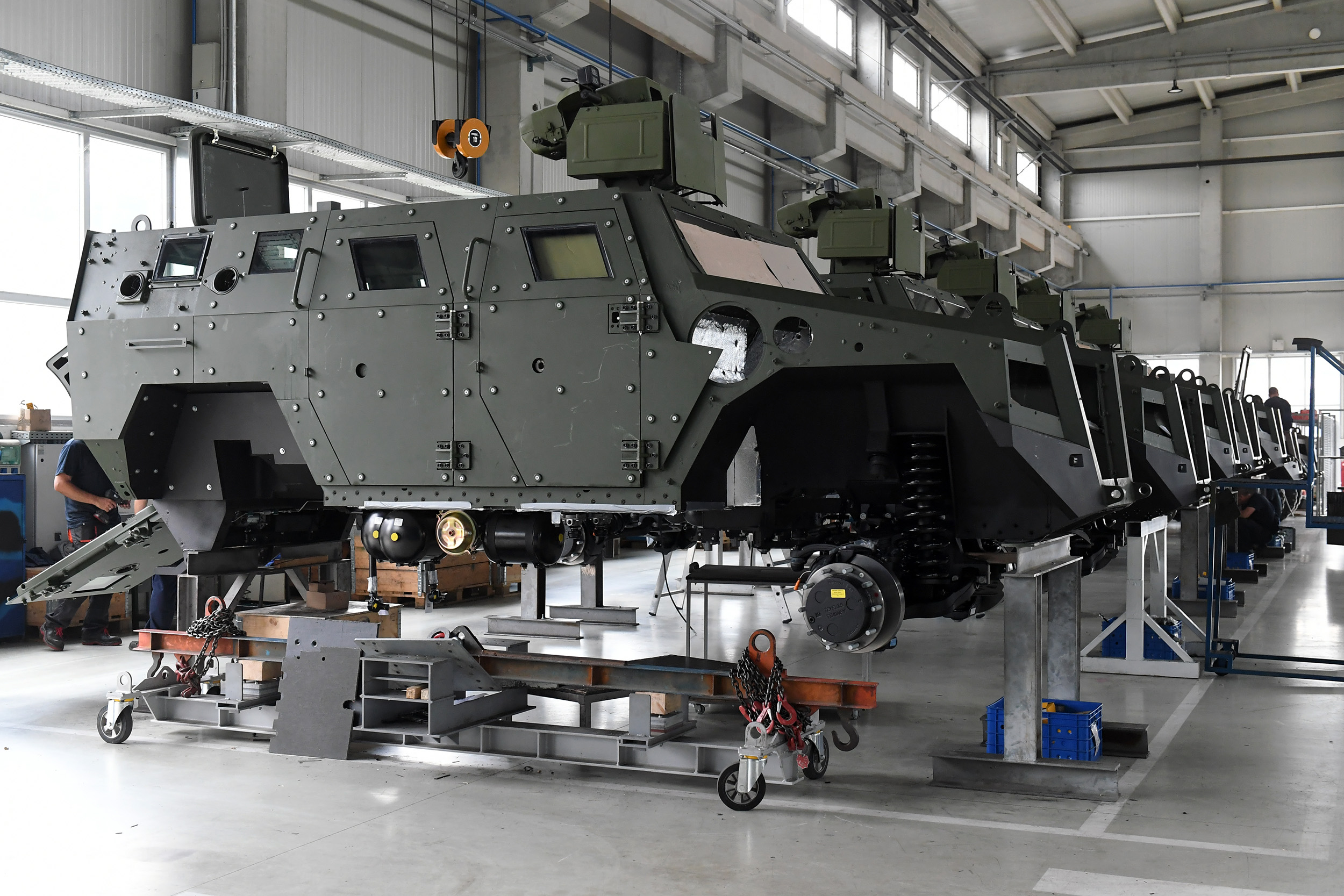 After the breakup of Yugoslavia, years of sanctions, the loss of major domestic buyers (Yugoslav People's Army, civil defence, and the Ministry of the Interior) which absorbed nearly 50% of total production output, the devastating effects of the 1999 NATO aggression, and a turbulent transition period in the first decade of the 2000s, the Serbian defence industry companies managed to survive, despite numerous operational challenges and problems, the principal ones being a failure to modernise technologies and a lack of capital investment.
The year 2013 marked the beginning of a major technological consolidation of defence production facilities. The goal was to enable these plants to again manufacture cutting-edge weapons and modernise existing ones, primarily to meet the needs of the Serbian Armed Forces. Additionally, the domestic defence industry and its products were more intensively promoted in foreign markets through the renewal of bilateral defence relations with traditional partners and the establishment of defence cooperation with new foreign partners.
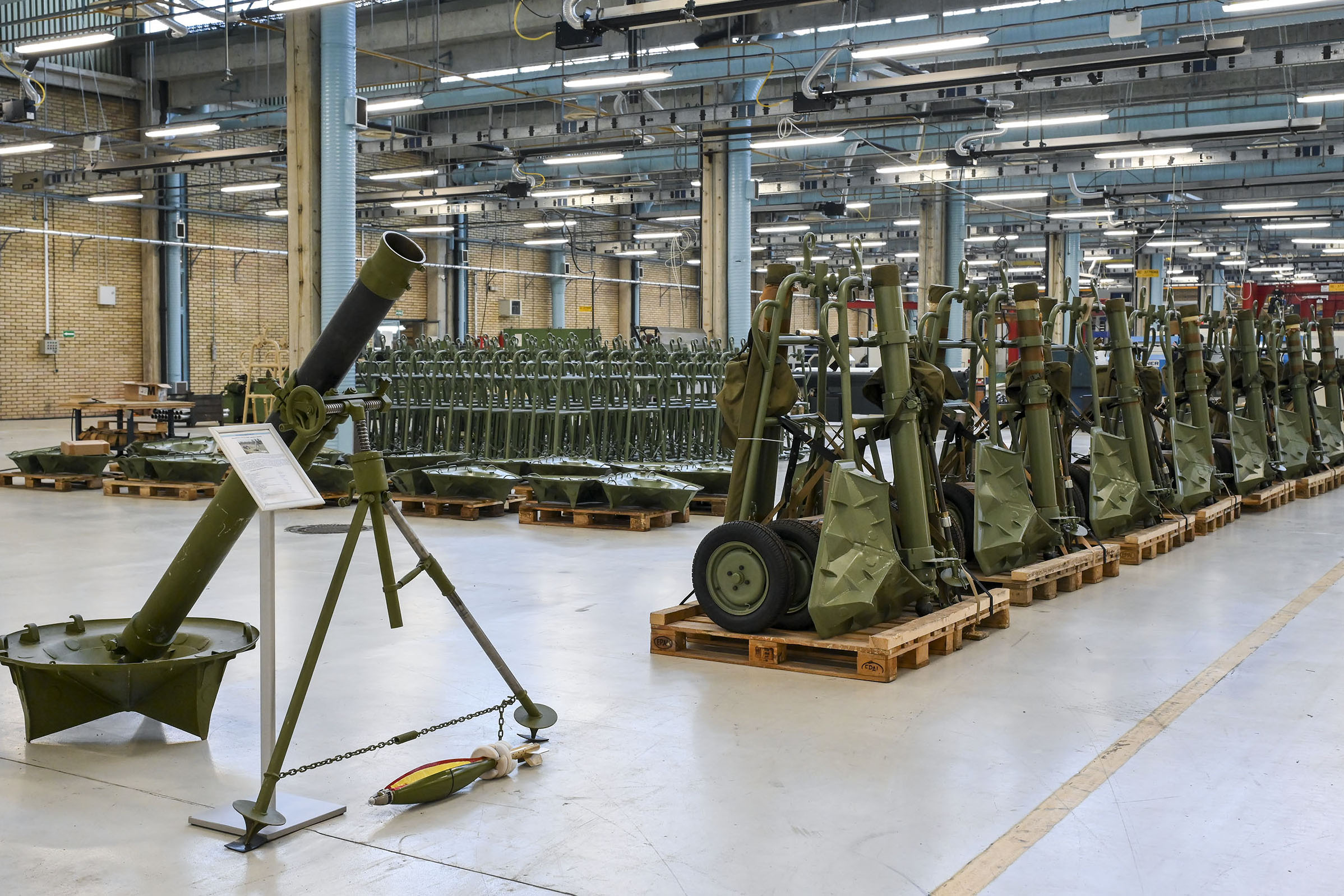 The key measure directly contributing to the rapid development of the defence industry has been its technological revitalisation through direct state investments in the factories’ manufacturing capacity, as well as new products developed by the Military Technical Institute and defence plants, tailored for the Serbian Armed Forces. These products quickly gained recognition in the international market. Over the past 13 years, the number of newly adopted, domestically developed weapons systems and military equipment has grown three and a half times, compared to the period between 2000 and 2012.
From 2013 to the present, investments into critical technologies have increased 12 times through combined factory self-investment and direct state investments, compared to the period between 2000 and 2012.
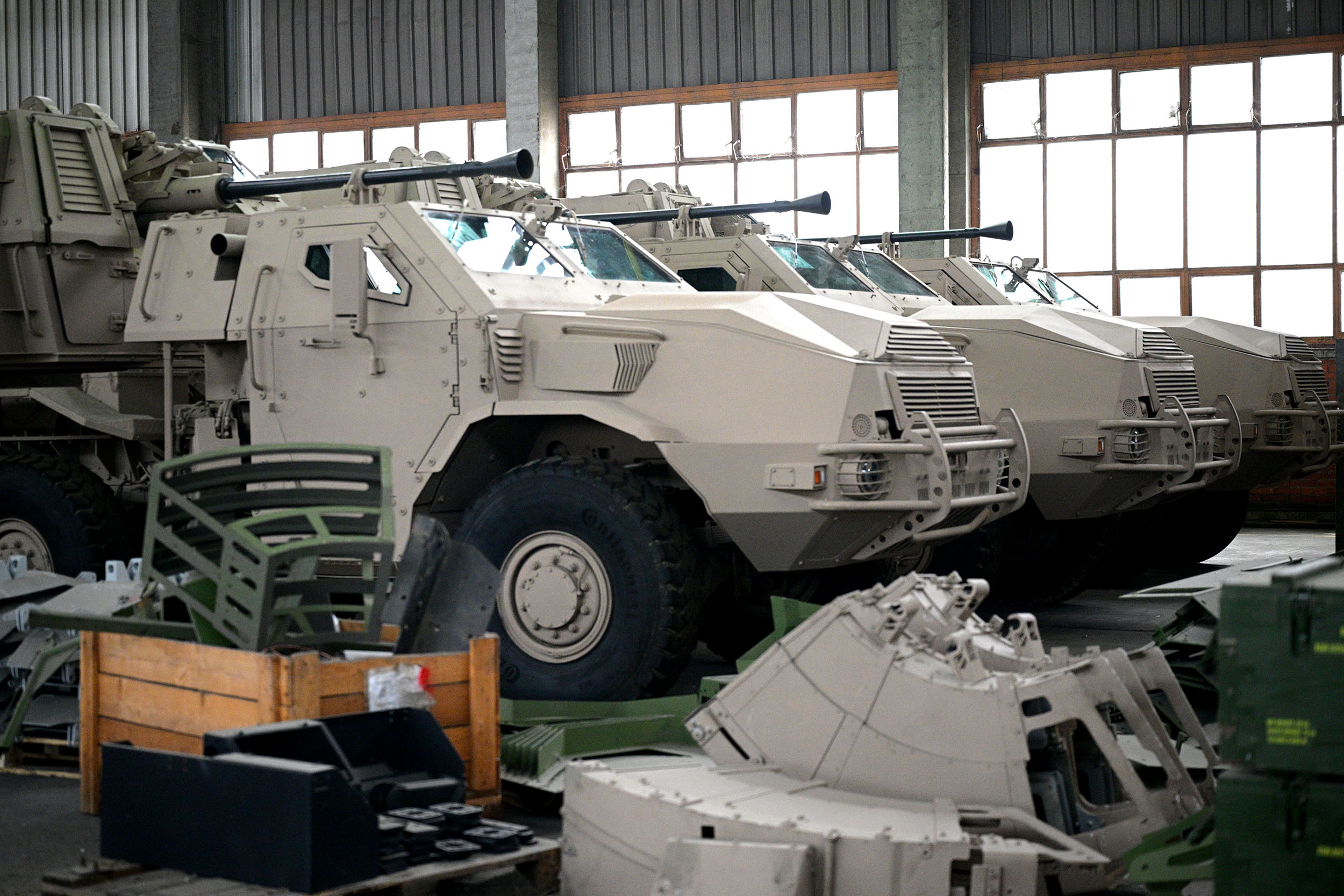 New complex combat system manufacturing plants started to operate in Velika Plana, and in 2017, a new off-road vehicle manufacturing plant (Zastava TERVO) was established, which enabled Serbia to start producing new combat platforms for the Serbian Armed Forces and modernise the existing ones.
In addition to the modernisation and retrofitting of existing technologies and the introduction of new ones, the defence factories’ manufacturing capacity has significantly increased through production optimisation and automation, enhanced energy efficiency, and upgraded occupational health and safety standards. In specific segments, manufacturing capacity has experienced dramatic growth. The production of missiles and ammunition components increased four times, high explosives production and complex systems manufacturing and overhaul capacity doubled.
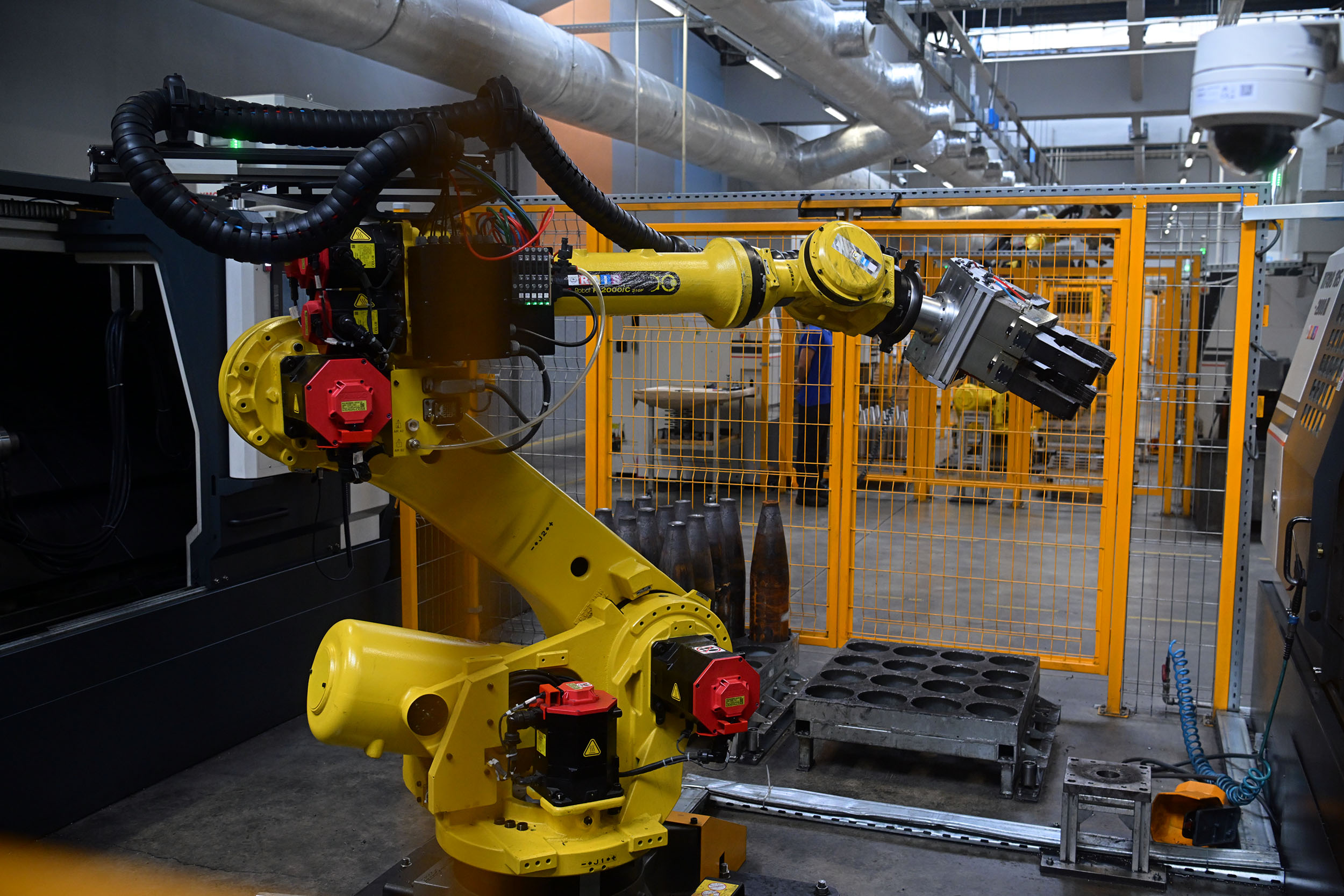 In addition to strengthening the defence industry through domestic investments, the procurement of imported complex combat systems has further enhanced the industry through the transfer of cutting-edge technologies, industrial cooperation, and the localisation of sophisticated system and component production in Serbia.
The planned development of the domestic industry has significantly increased its capacity to produce new complex ground combat systems, unmanned platforms, telecommunication, optical, and optoelectronic systems, modern extended range and high precision guided and unguided ammunition, and new energetic materials. It has also boosted its capacity to develop modern software and utilise it in the design, testing, and production of weapons and artificial intelligence algorithms, as well as in other segments vital to the defence system.
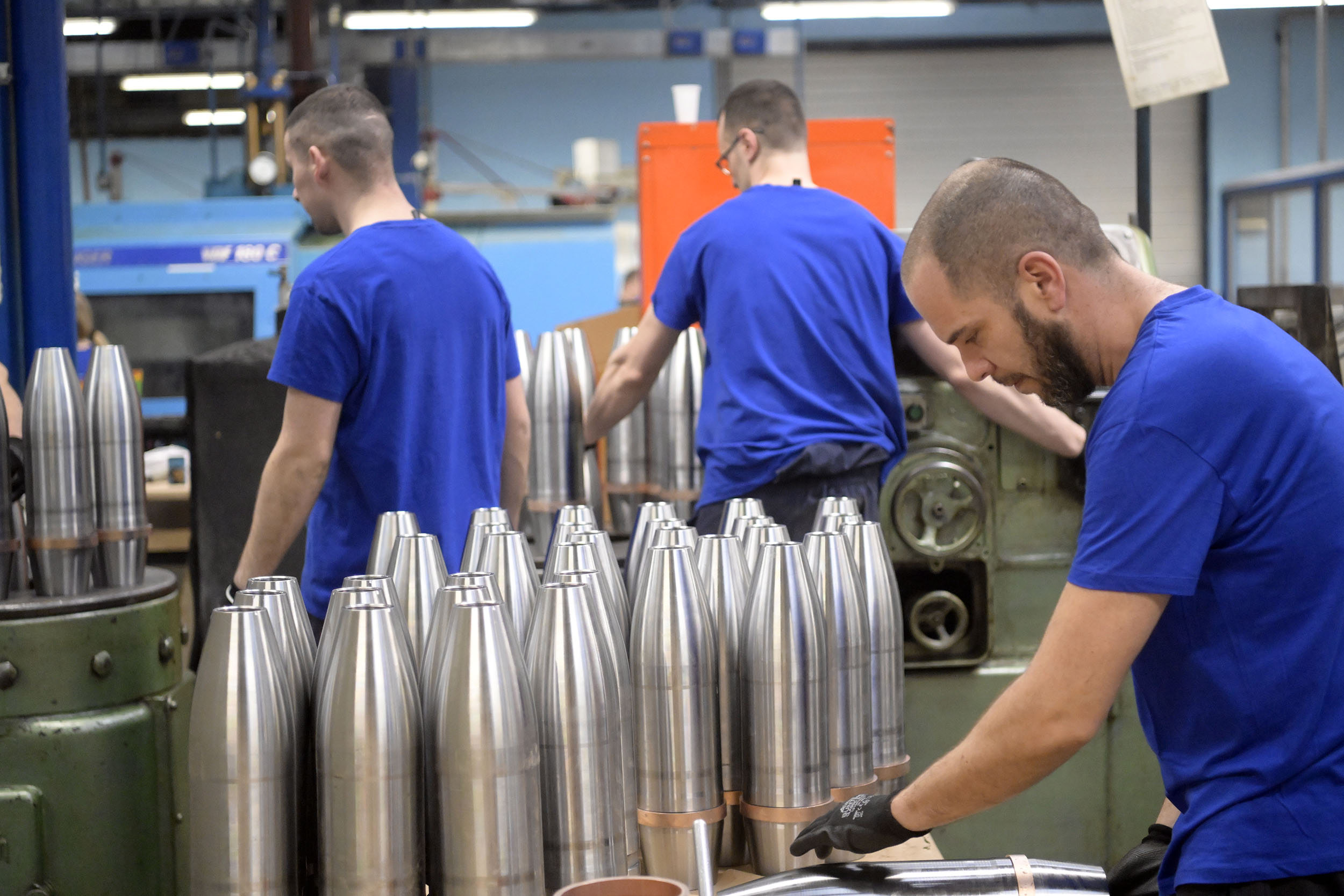 Today, Serbia’s defence technological and industrial base comprises over 60 enterprises of varying sizes and ownership structures, employing more than 20,000 people, directly engaged in the production of weapons and military equipment. It also includes military-technical institutions involved in the development, overhaul, modernisation, and testing of military equipment, as well as a range of subcontractors supporting the development and production of weapons and military equipment. The core of this base is the Serbian Defence Industry Group, which comprises 17 state-owned defence enterprises managed and supervised directly by the Ministry of Defence.
The technological modernisation of domestic factories and military-technical institutions over the past 13 years, combined with favourable defence budget trends, has intensified the award of contracts to the domestic industry for the delivery of new weapon platforms to the Serbian Armed Forces.
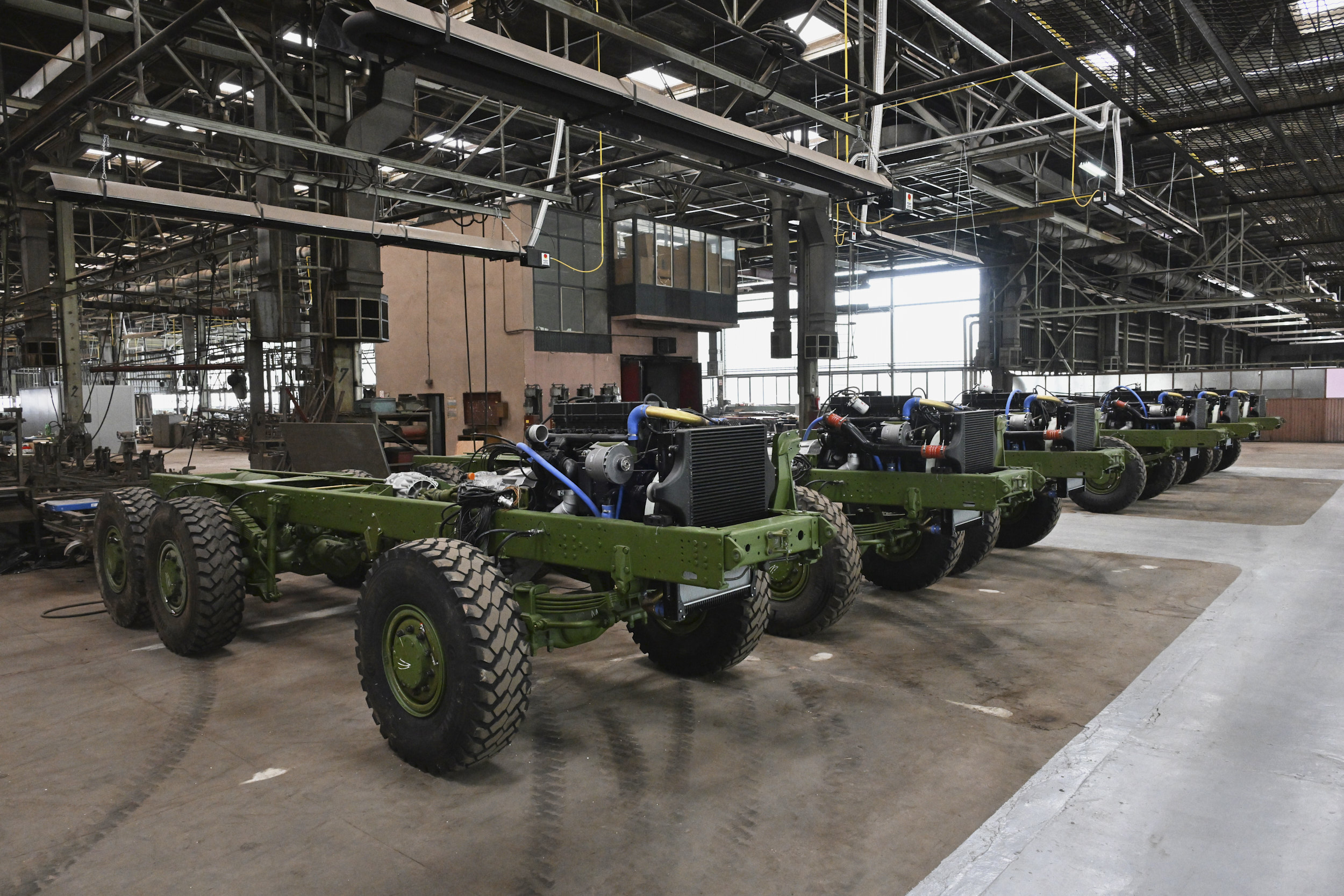 In an effort to equip the Serbian Armed Forces with domestically developed and manufactured weapons and military equipment, the past seven years have witnessed an intensified award of contracts to the domestic industry for the supply of newly developed and modernised systems whose serial production was successfully established following rigorous testing and verification processes.
Between 2013 and 2026, the total value of defence procurement contracts awarded to the domestic industry for modern military equipment was 20 times higher than the total contracted volume between 2000 and 2012.
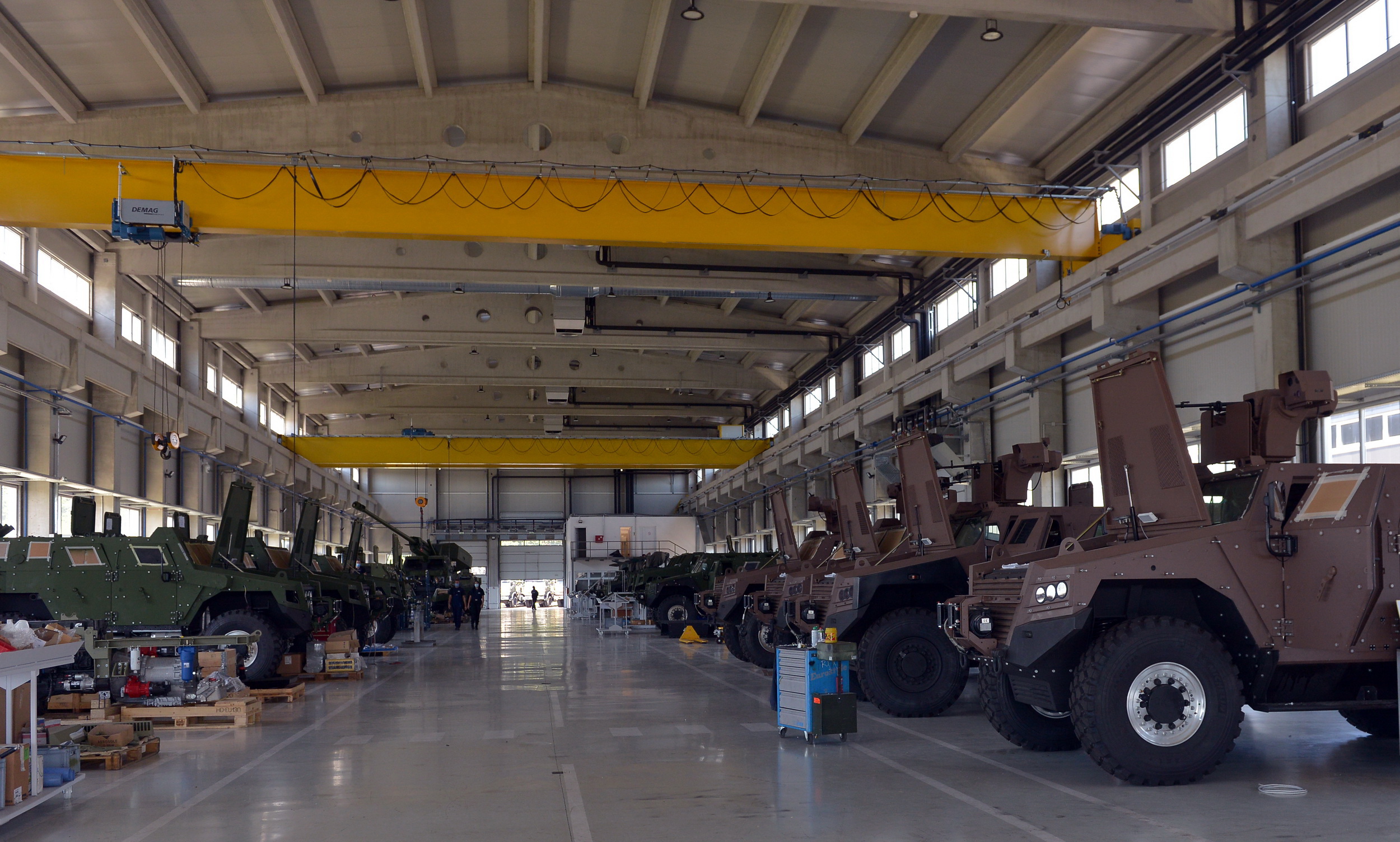 From 2020 to the present, the domestic industry has delivered several hundred newly developed and modernised complex combat systems to the Serbian Armed Forces. The performance of these systems is similar or equivalent to platforms used by the world’s most advanced armed forces. Several hundred additional units are currently being produced, to be delivered to the Serbian Armed Forces by the end of this year and in the first half of next year. Over the same period, domestic manufacturers have supplied the Serbian Armed Forces with substantial quantities of next-generation small arms, state-of-the-art optoelectronic surveillance and sighting systems, various types of extended range, high efficiency artillery rockets and grenades, and tens of thousands of uniforms, shoes and personal protective equipment for soldiers.
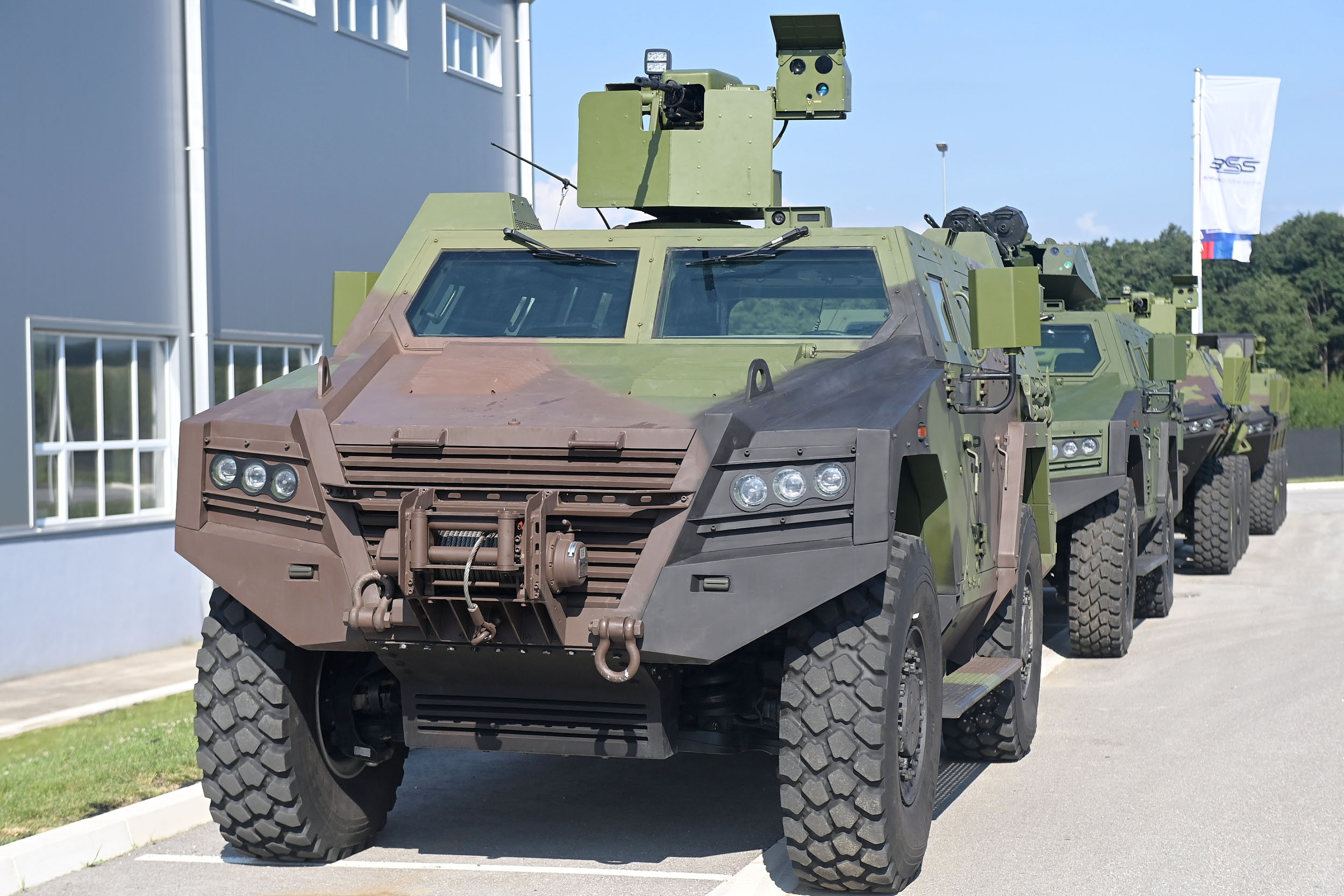 Strategically speaking, the domestic defence industry plays an important role in Serbia's international relations alongside its principal role. Serbian military products are internationally recognised for their quality and reliability, and there is a strong international demand for our latest products. Defence exports have risen steadily since 2013, with annual export values over the past two years reaching five times the levels recorded in 2012. Realistic forecasts indicate that the annual volume and value of Serbian-manufactured weapon exports will grow by an additional 20% to 30% over the next two years.
