

18.12.2025.
Public Sector Greening Project – Rehabilitation of MMA Hospital
A meeting on the implementation of the project titled Greening the Public Sector – Rehabilitation of the MMA Hospital was held today at the Military Medical Academy.
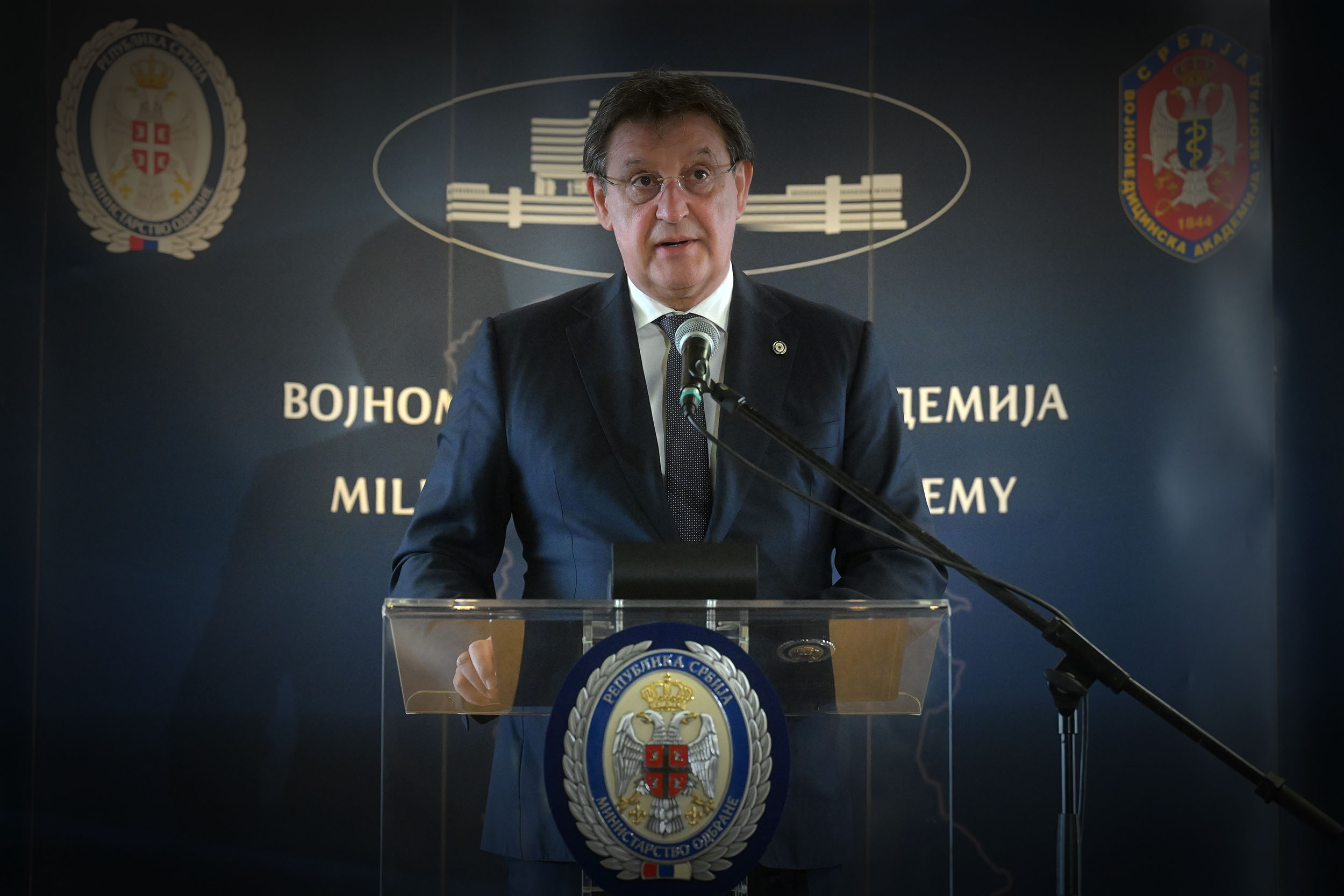
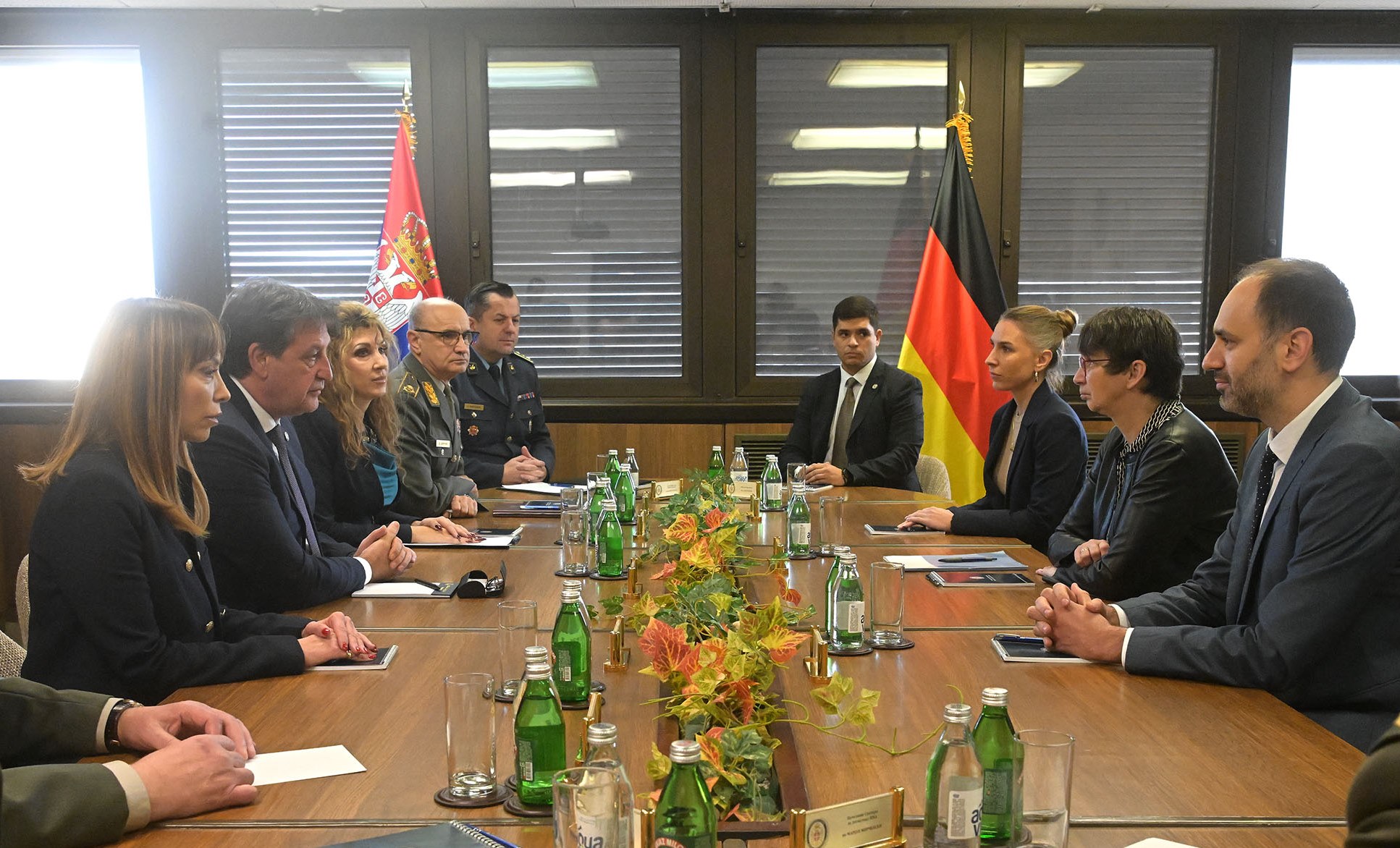 On this occasion, Minister of Defence Bratislav Gašić announced a significant step forward in improving energy efficiency and sustainable resource management within the military healthcare system.
He noted that the project is financed through bilateral cooperation between the Republic of Serbia and the Federal Republic of Germany, under an agreement concluded between the two countries’ governments.
- The MMA project aims to reduce energy consumption and promote the use of renewable energy sources, while preserving and protecting the environment. The project is being carried out in coordination with the German Development Bank and the Ministry of Mining and Energy as the implementing body for the project. I would also like to highlight the role of the Military Medical Academy, one of the most important institutions of the healthcare system of the Ministry of Defence and the Republic of Serbia, which provides medical services for patients from other countries in the region as well. This was demonstrated recently when MMA doctors and medical staff were deployed to provide care for victims of the fire in North Macedonia – said the Minister of Defence, adding that the hospital building was officially inaugurated on January 1, 1981, and was regarded as one of the largest and most modern hospital complexes in Europe.
Minister Gašić noted that the MMA building was designed as a cohesive solution, with clearly defined medical, diagnostic, research, and logistical areas, which represented a pinnacle of hospital architecture at the time.
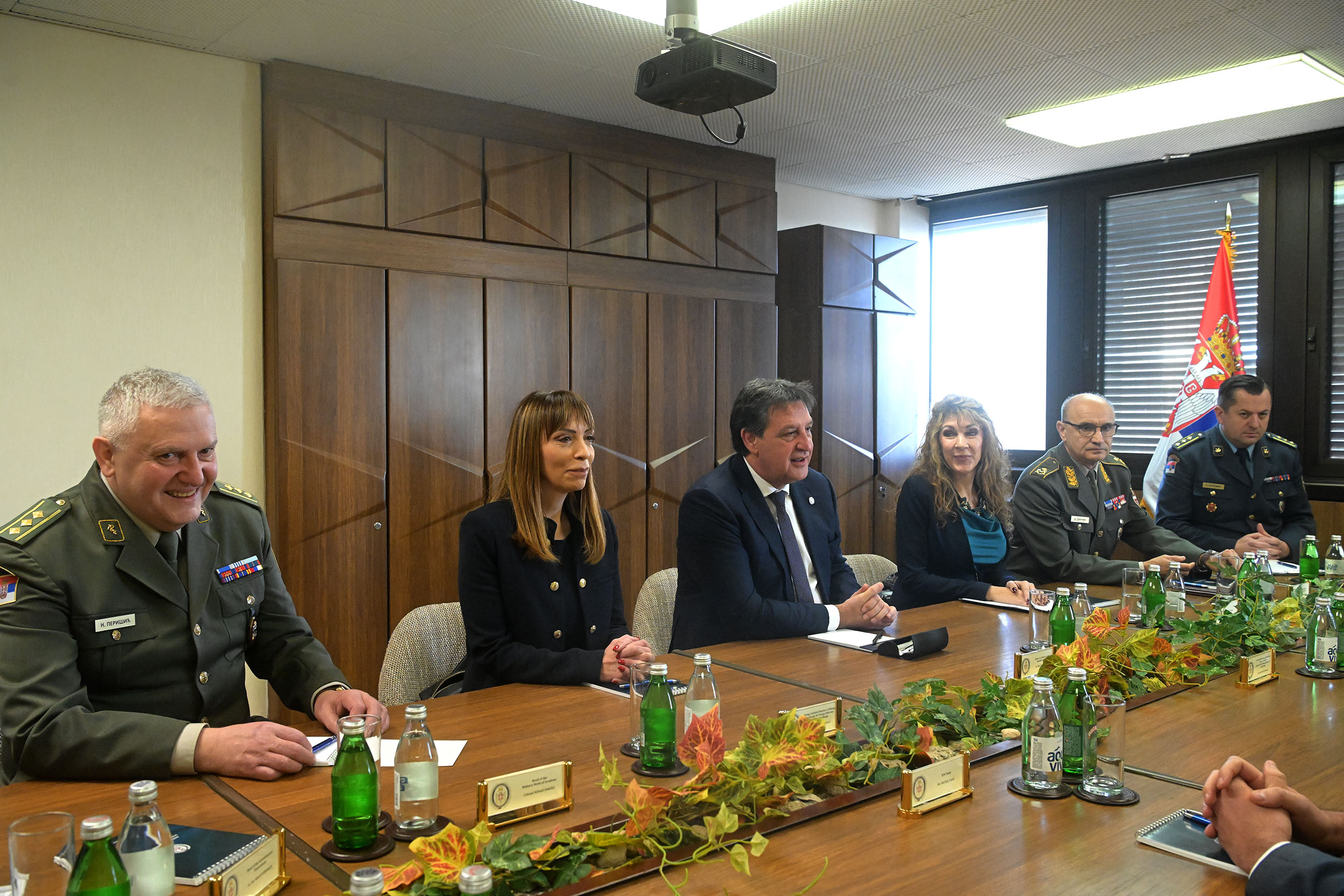 - The Military Medical Academy is one of the largest tertiary care military hospitals in Southeastern Europe, where, under one roof, a multidisciplinary team can be put together within ten minutes for any kind of intervention. It comprises 26 clinics, 25 operating theatres, 11 institutes, and the National Poison Control Centre – the country’s only specialized institution for the treatment of acute poisoning. Although primarily intended to provide care for military personnel, the MMA has been integrated into the national healthcare system since 2008, following the signing of an agreement with the National Health Insurance Fund, so the MMA Emergency Centre provides emergency medical assistance every Wednesday for all citizens of Belgrade and Serbia - the Minister of Defence emphasized.
Minister Gašić noted that the building covers approximately 180,000 square metres of usable space, contains about 6,000 rooms, and 38,000 light fixtures. Its heating system is equivalent to that of 8,000 two-bedroom apartments, and its average monthly electricity consumption is comparable to that of a town with 20,000 residents.
- Given these factors, we decided to focus on improving the MMA’s energy efficiency in order to contribute to energy savings through the use of renewable sources, while also preserving and protecting the environment. The project titled Rehabilitation of the MMA Hospital, which brings us together here today, aims to ensure a sustainable and significant reduction in the hospital’s energy consumption – the Minister of Defence emphasized, expressing his hope that the project will reduce natural gas consumption by up to 40 percent and electricity consumption by up to 30 percent compared to current levels, reducing greenhouse gas emissions and improving hospital conditions through energy efficiency measures.
 Emphasizing that the project will be carried out in three phases, Minister Gašić stated that the total value of the project is estimated at €211 million.
“The first phase is scheduled to begin in the third quarter of 2026 and will include structural repairs to the building, roof reconstruction on the lower section of the building with improved thermal insulation, upgrades to the hot water supply system using waste heat via heat pumps, upgrades to the water supply connections, etc. This project has been awaiting implementation for more than seven years. I invite all major Serbian companies to participate in the tender - the Minister of Defence said, adding that the Serbian government and the Ministry of Defence have not been sitting idly waiting for this project to begin but have taken numerous significant steps over the past two years to improve working conditions for Ministry of Defence and MMA personnel, as well as hospital experience for all patients.
Speaking about plans for 2026, Minister Gašić announced a new project set to begin in the first month of 2026, to be carried out with government support. He also confirmed that efforts are being made to equip the MMA with new cooling systems and to replace 1,200 beds with modern hospital beds meeting international standards by June 30 of next year.
 Commenting on the implementation of the project, Minister of Mining and Energy Dubravka Đedović Handanović said that the MMA’s energy rehabilitation is, in terms of investment value, the single largest project in the field of energy efficiency, and one with a major impact on energy savings.
“Built over 40 years ago, the Military Medical Academy today consumes approximately three times more electricity and gas than a typical hospital of similar size in Germany. The measures planned for the first phase of rehabilitation will cut energy consumption by at least 35 percent annually, reduce carbon dioxide emissions in the same percentage, and extend the hospital’s lifespan by at least 30 years. For the sake of comparison, the energy savings from the rehabilitation of the MMA alone are equal to the savings that would be achieved by renovating 150 public buildings of around 1,500 square metres each, or the annual energy output of a 25-megawatt hydroelectric plant – Minister Đedović Handanović said.
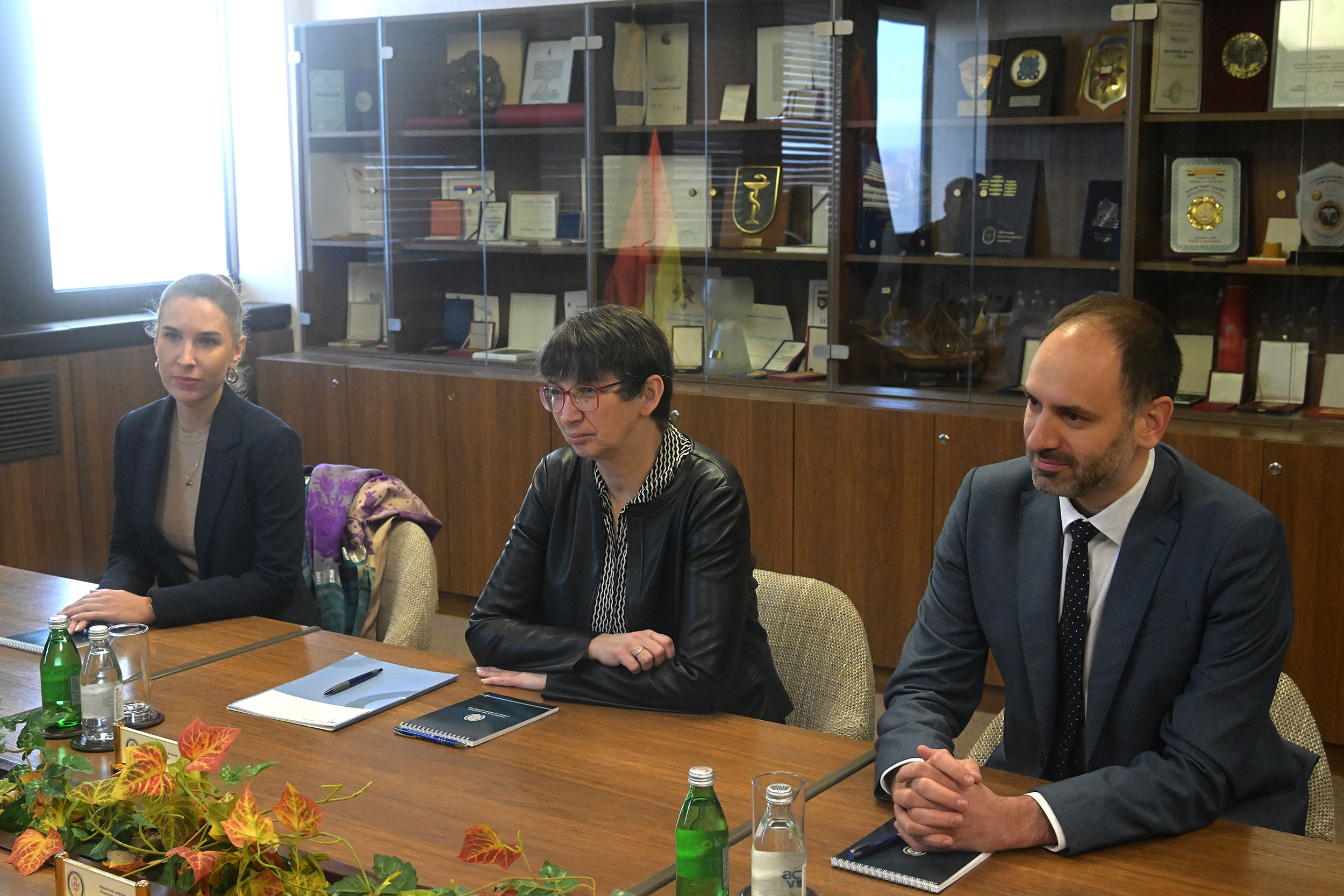
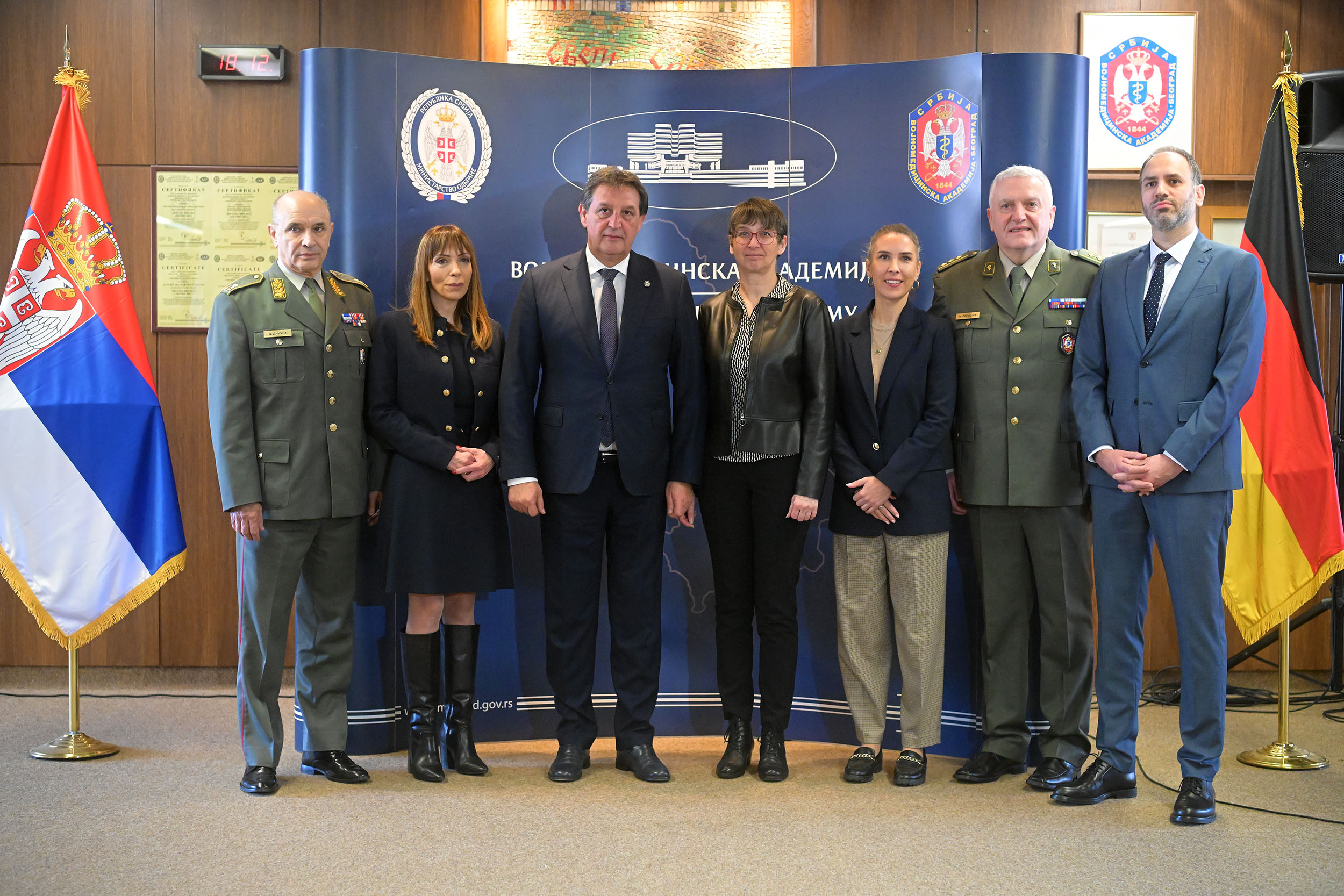 German Ambassador Anke Konrad emphasized that the MMA is the largest medical institution in Serbia and one of the largest in Europe, so one of the main goals of the project is to reduce its gas, water, and electricity consumption. She noted that the project is supported with €50 million from the German Development Bank and an additional €5 million from the European Union.
- The tender that is going to be published for works is offering a wide range of contract opportunities under internationally recognized FIDIC Yellow and Red Book contract conditions. Procurement is carried out in accordance with the German KfW guidelines for the procurement of works, ensuring transparency and fairness throughout the process,” Ambassador Konrad said.
