06.10.2011.
Minister Sutanovac puts into operation new modern machine in factory “Sloboda”
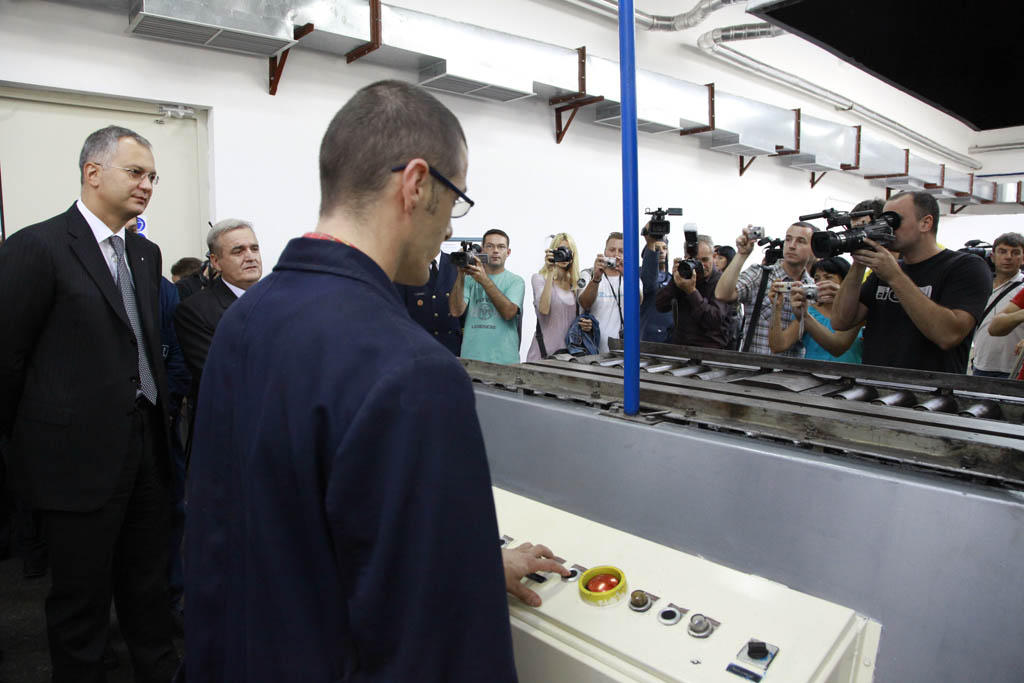
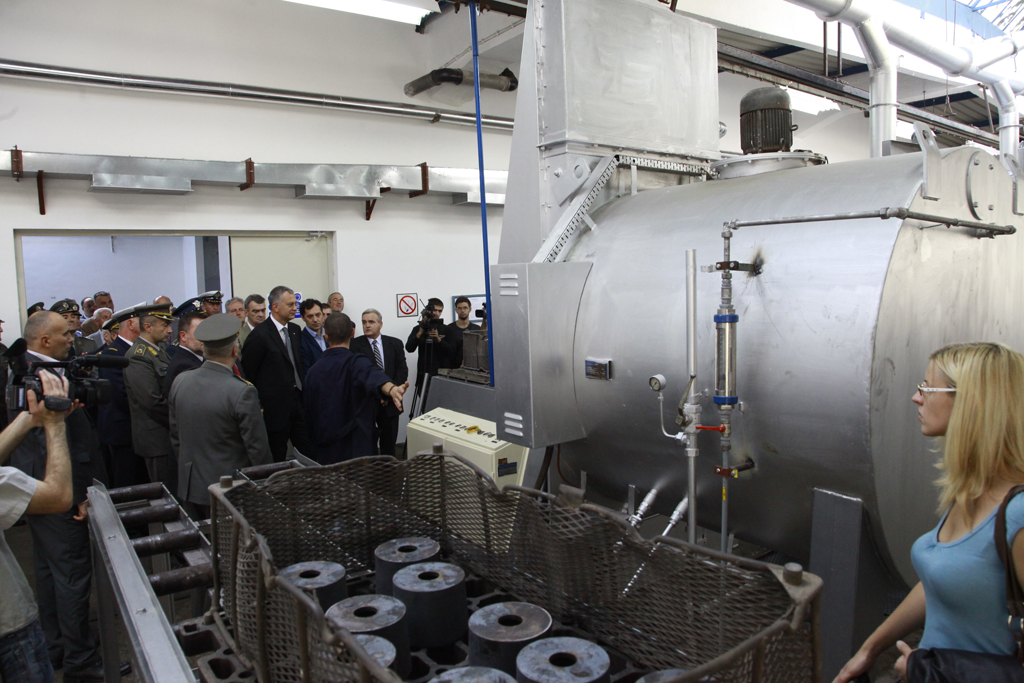
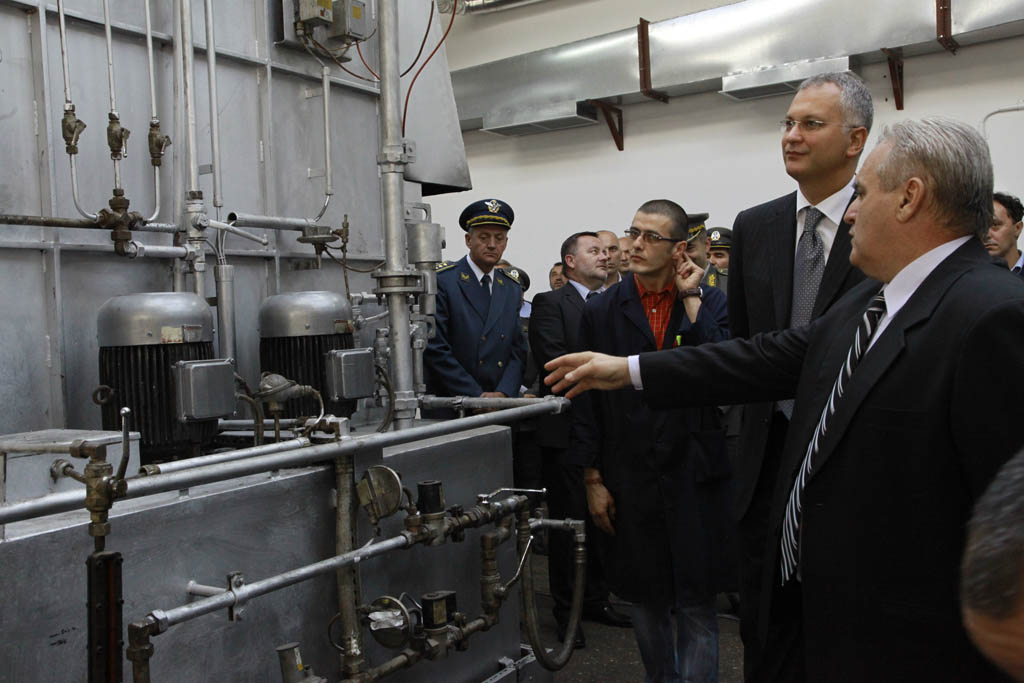
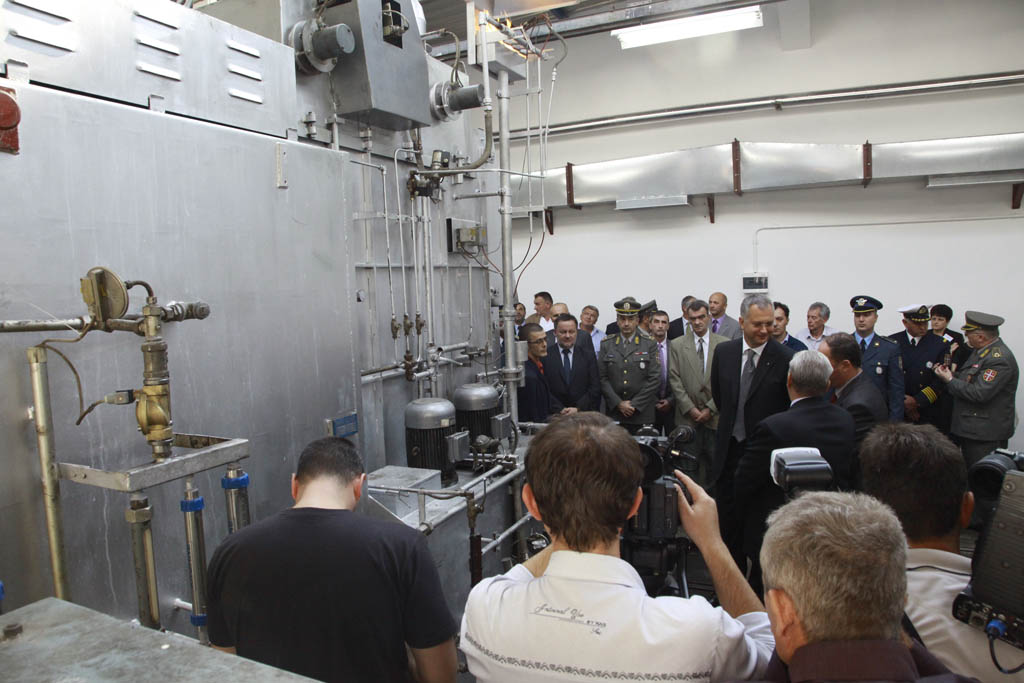
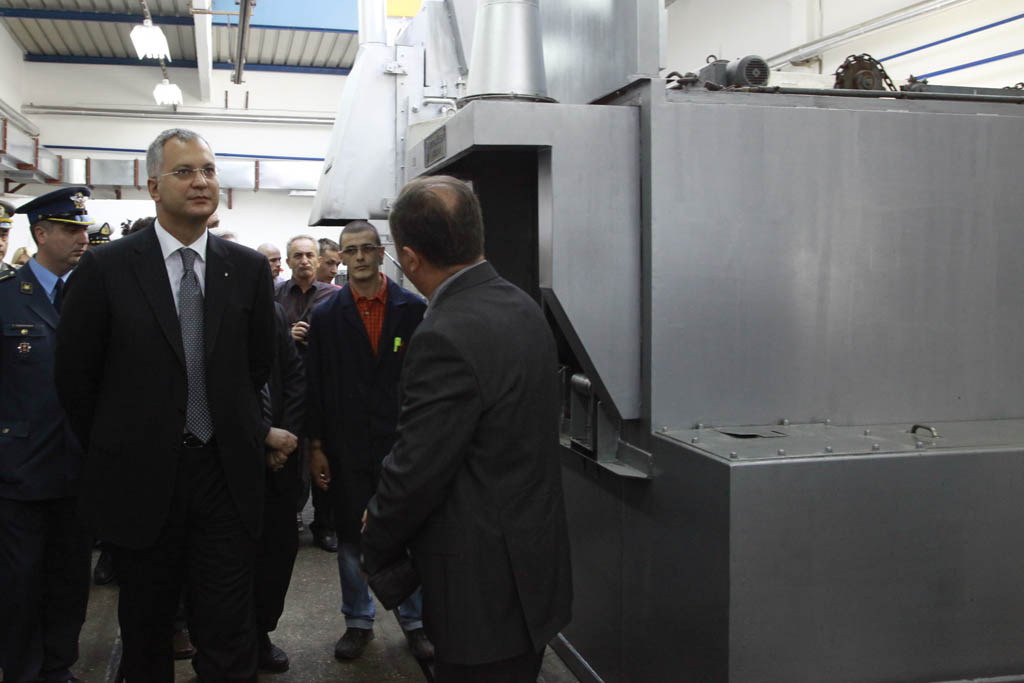
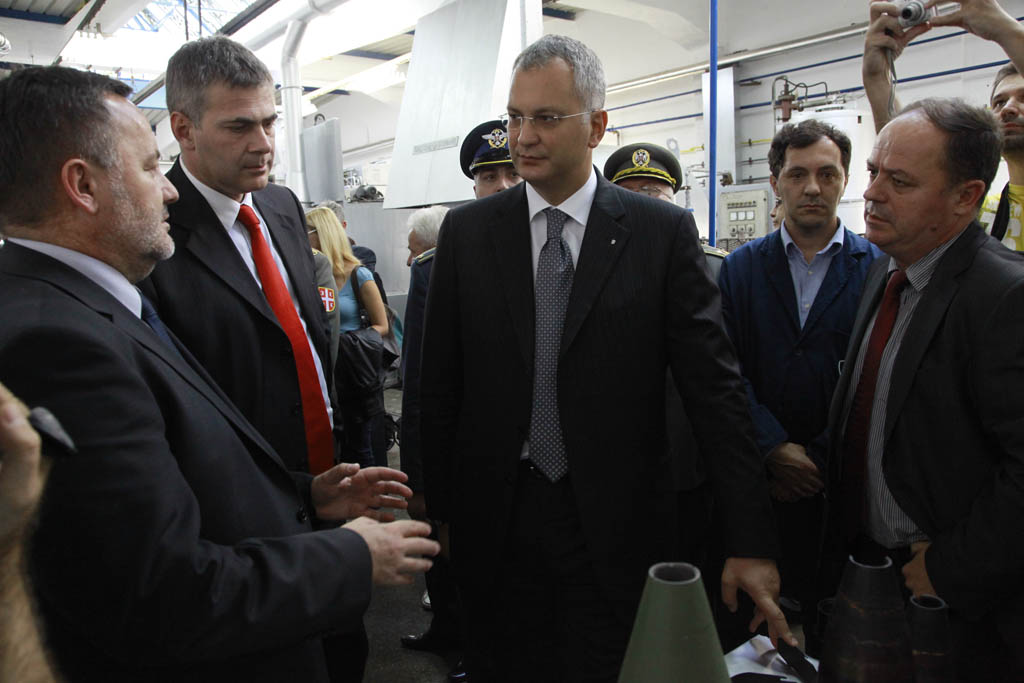
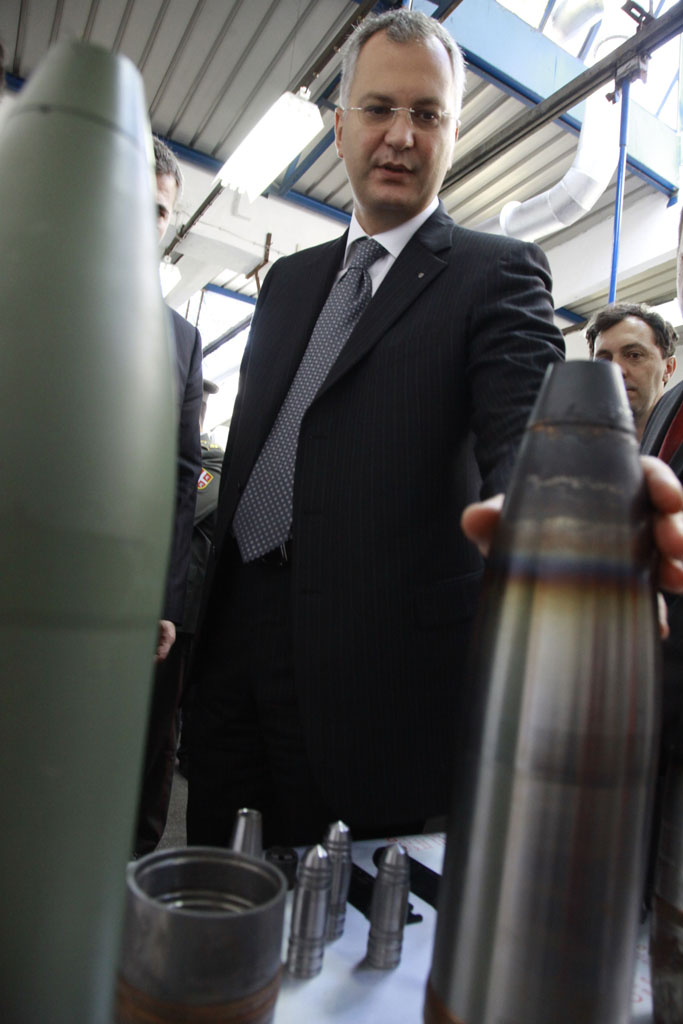
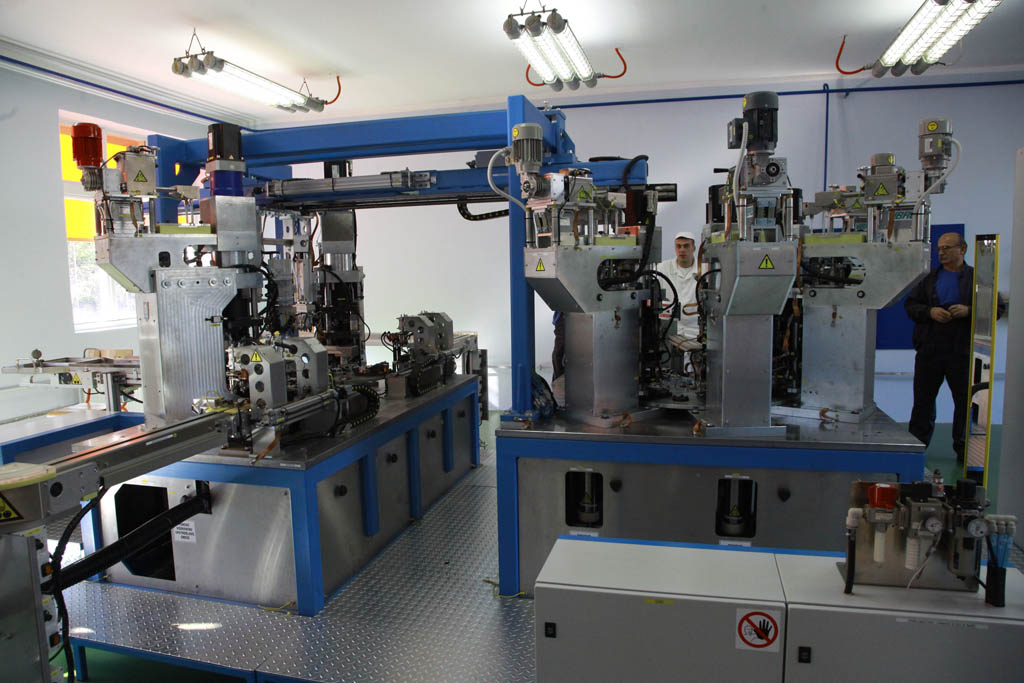
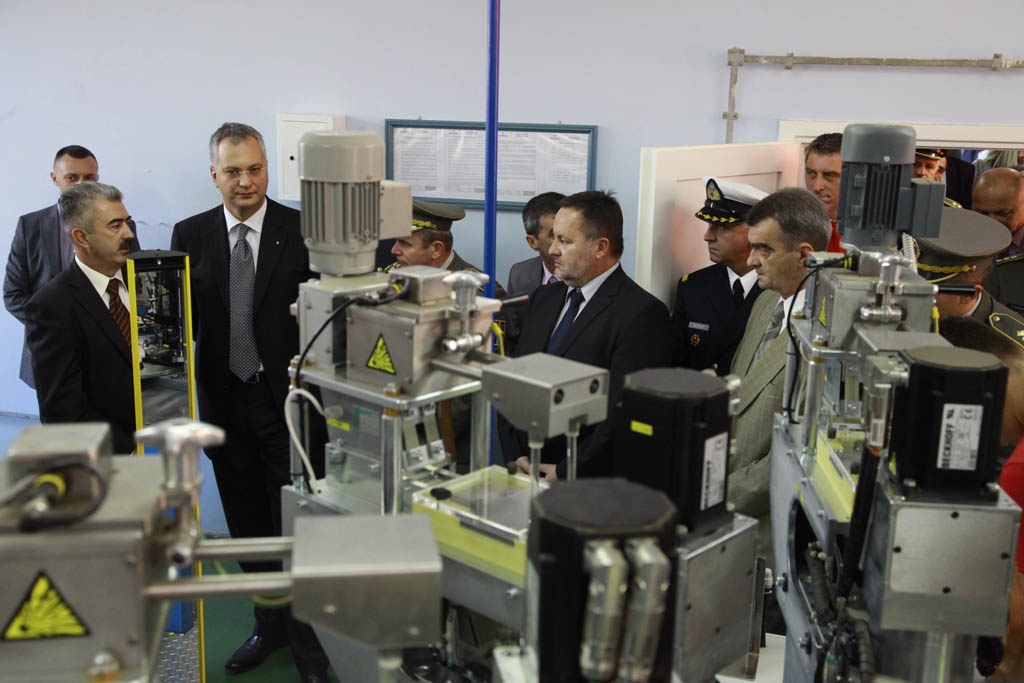
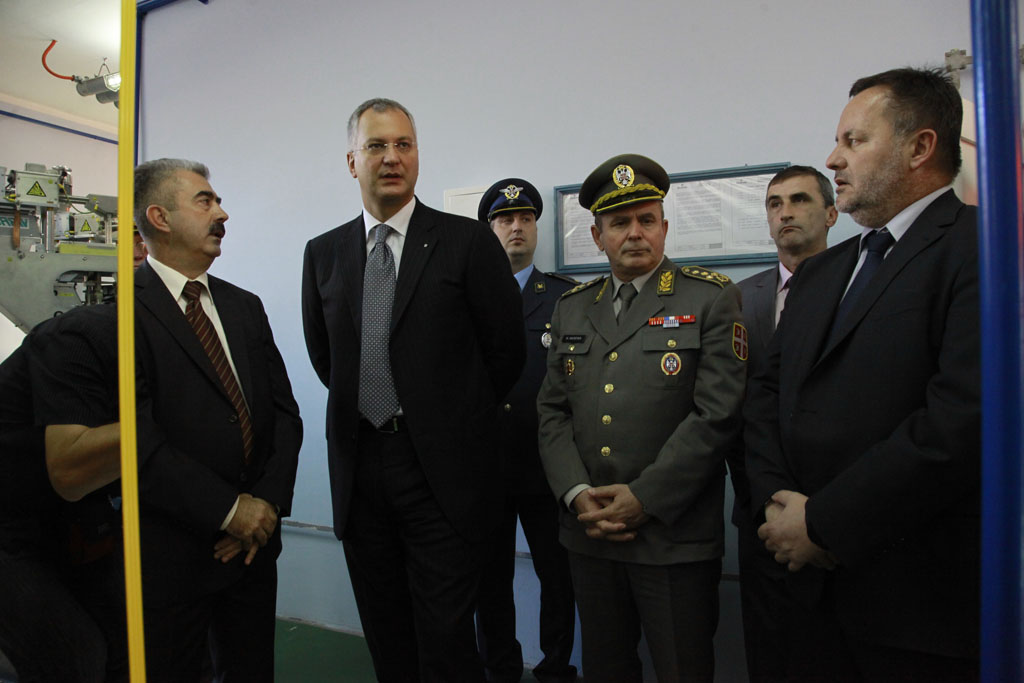
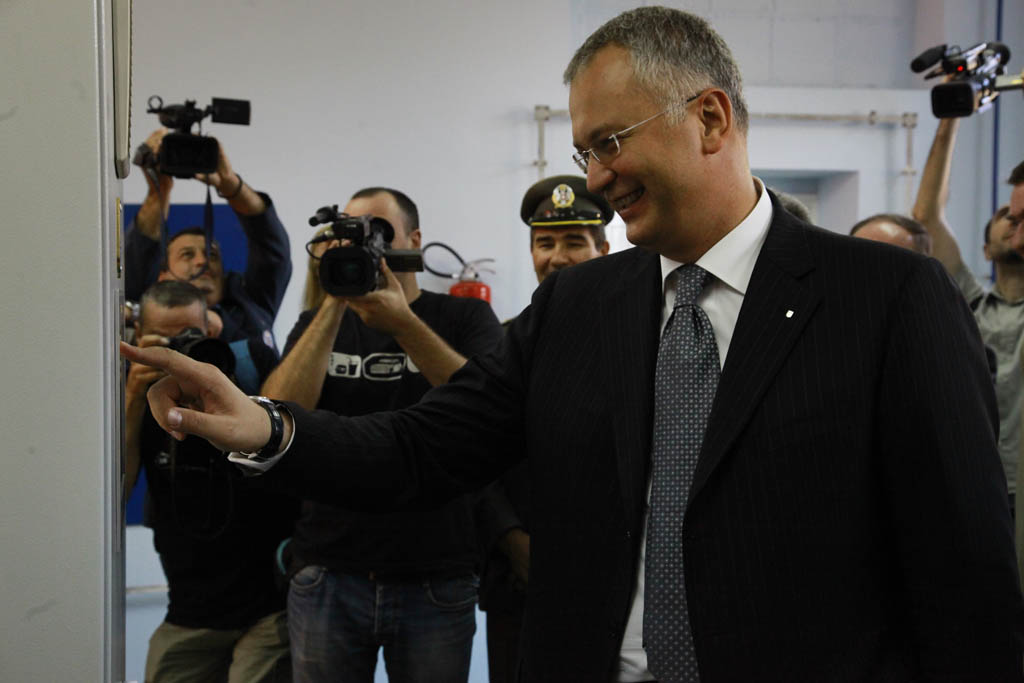
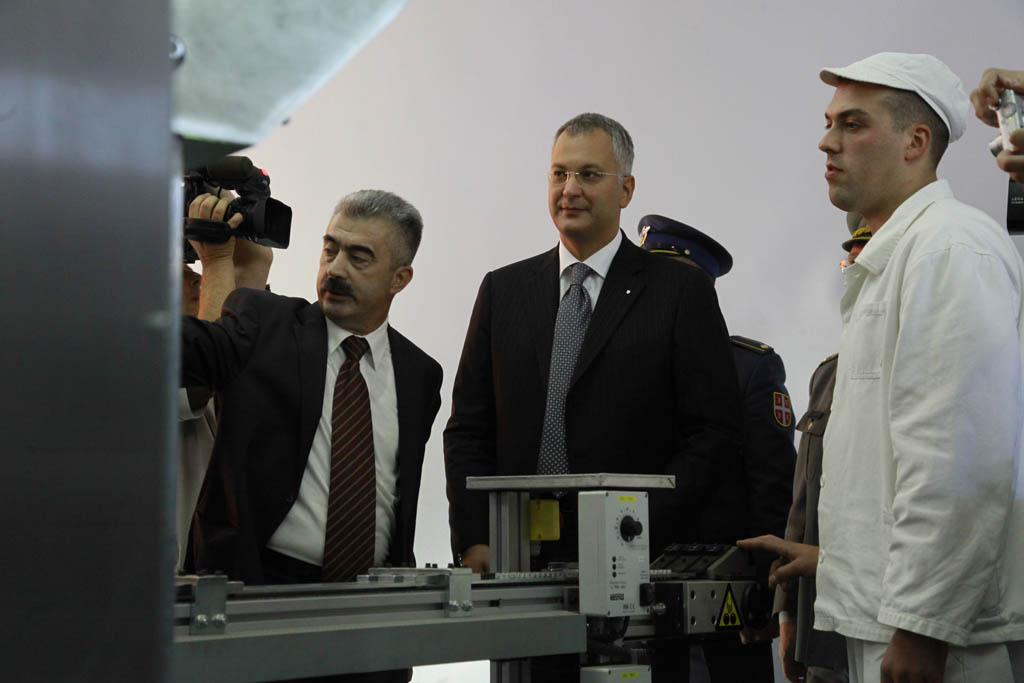
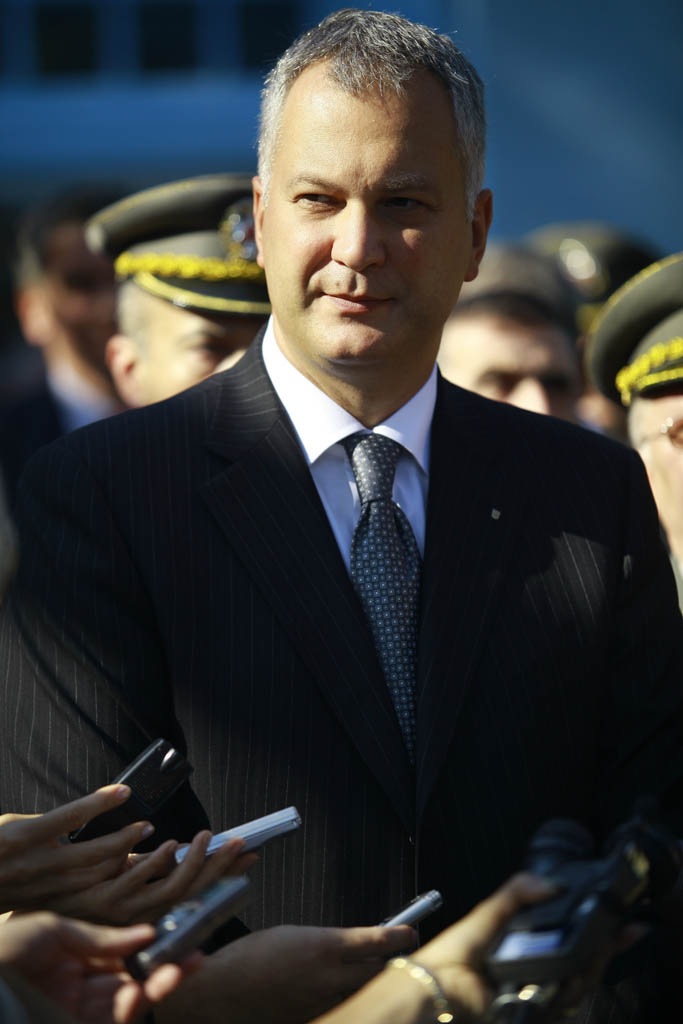
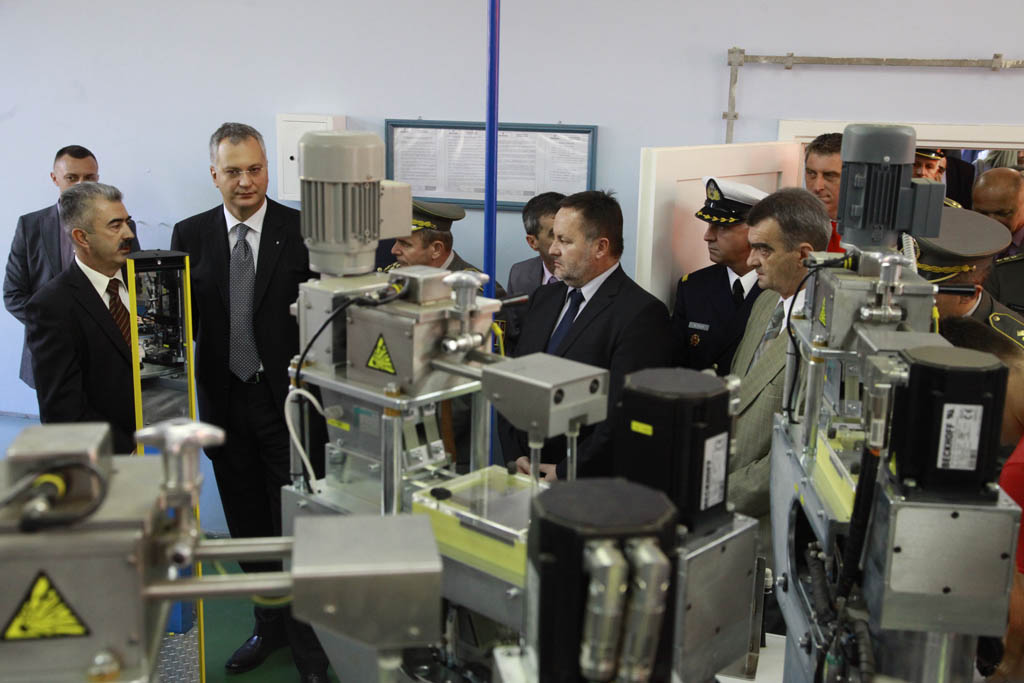
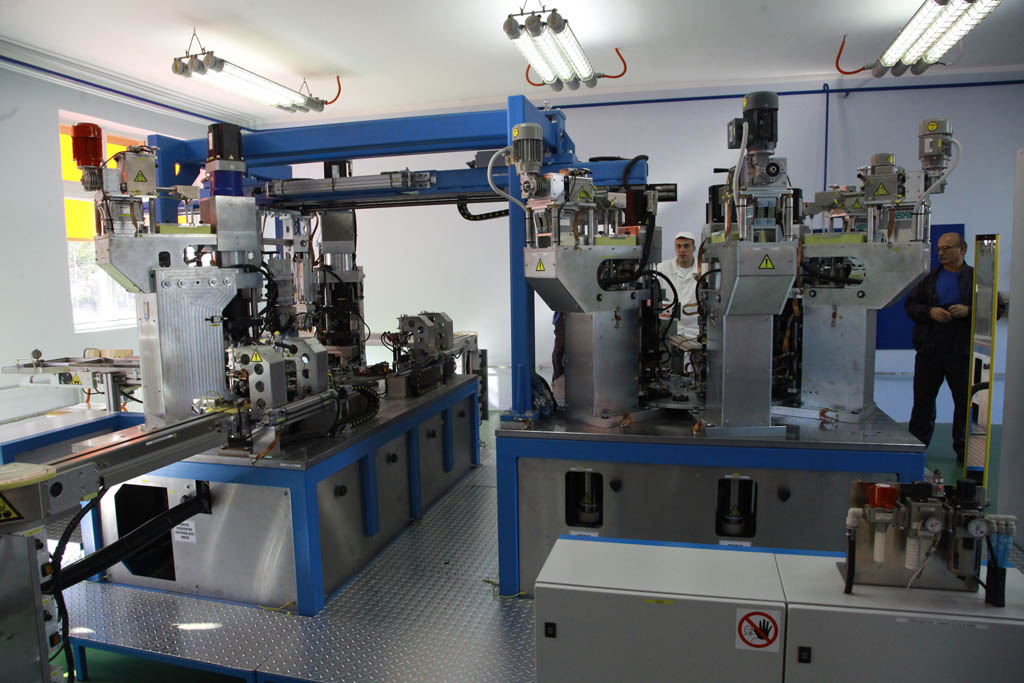
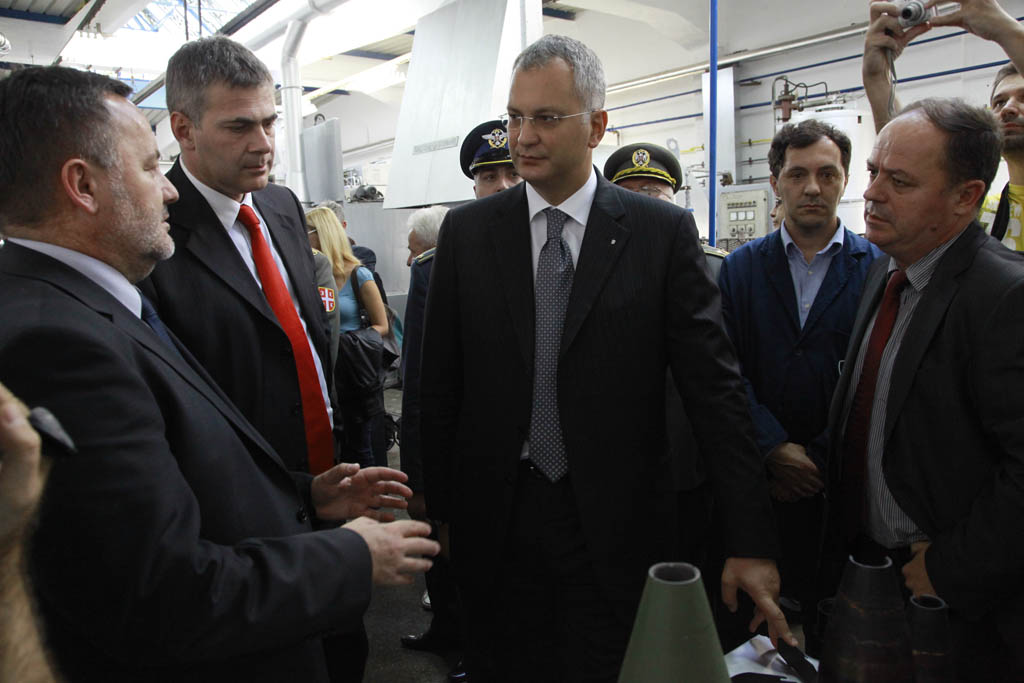 Today, Defence Minister Dragan Sutanovac put into operation a new modern machine in a plant for completion of pyrotechnic components and subassemblies in factory “Sloboda” in Cacak. Minister Sutanovac, together with the Serbian Armed Forces Chief-of-Staff, General Miloje Miletic and his associates, visited today this factory on occasion of marking the sixty-third anniversary of its work.
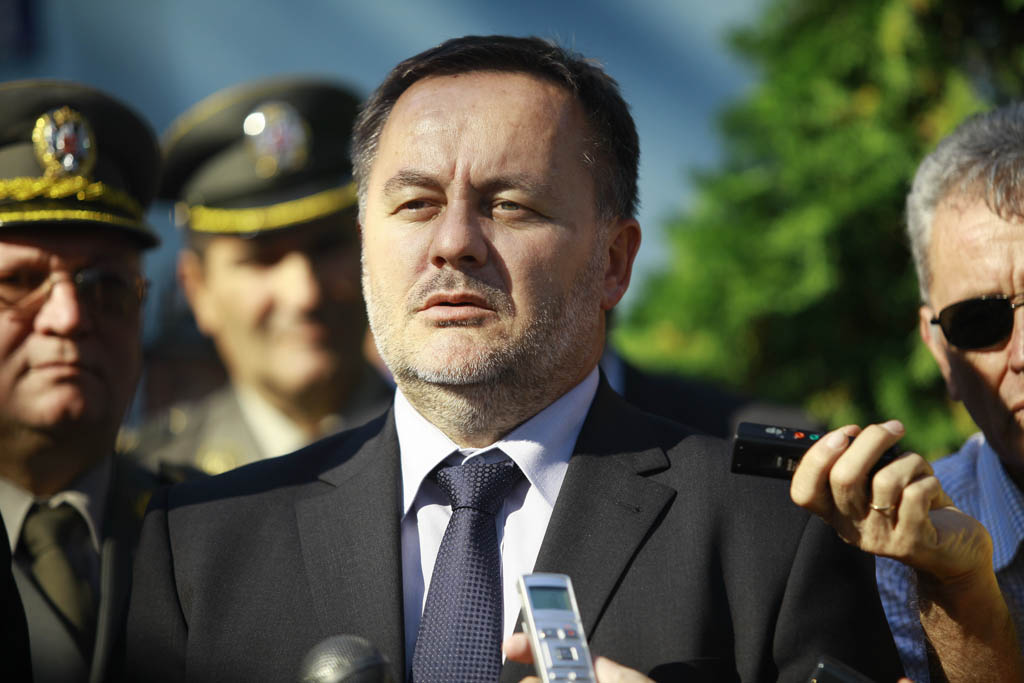
 “We hope that, thankful to the machine we put into operation today, which cost EUR 0.5 million, we will achieve multimillion savings, amounting to EUR 18 million. Urgent events that we unfortunately had, hampered our goal of making this the best year ‘Sloboda’ has had in the last two and a half decades. In the last four years, ‘Sloboda’ factory’s export has increased approximately 6.5 times, whereas new employments rose by more than 90%. This proves the factory’s progress and its bright future”, Minister pointed out addressing the media.
According to Defence Minister, by modernising its defence industry, Serbia will increase its export and reduce foreign trade deficit.
“I believe that next year will be remembered for another thirty years, because there are announcements of serious investments, not only regarding this factory, but others as well. That will enable the employment of our entire defence industry, as well as our construction industry, which should return to the international market”, Minister stressed.
General Manager of the company “Sloboda” Zoran Stefanovic said that, thankful to the machine for completion of pyrotechnic components and subassemblies, the savings would be EUR 1 per piece at the cost of intermediate goods.
 “We are soon to close new deals and I hope that next year will be, if not more successful, then at least equally successful as the previous two years”, said General Manager of “Sloboda”.
 Responding to the journalist’s question about the influence of the events in the Arab World on the business operations of factory “Sloboda”, Stefanovic emphasised that “Sloboda” did not conclude any contracts in those countries, so there was no damage to the factory’s businesses. Adding to this, Minister Sutanovac said that the world economic crisis and the events in the North African countries contributed to the decrease in demand for military equipment.
“We expect the stabilization of that market, and we also expect to visit those countries by the end of the year - above all Libya. I also believe that the trade with these countries would be renewed next year.
Apart from wishing to launch our products, we want to return to the aforementioned market based on a contract we have made for a military hospital. Also, we could continue with the education of Libyan cadets and students in Belgrade, for which great interest was shown, since that country is in need of educated personnel”, said Sutanovac.
Speaking about the police investigation that was launched following the accident that happened in the factory near the end of last year, Minister Sutanovac stressed that the investigation was conducted by the relevant authorities who will do their job responsibly. That will contribute to the revealing of the truth about the accident.
According to General Manager of “Sloboda”, the factory currently employs 1,757 workers; 1,215 of them with permanent contracts. The average net salary is RSD 37 thousand. When it comes to employment of new workers, apart from engineers, no other employments are planned. The company’s business policy understands that a certain number of workers are temporarily employed, so as to regulate the factory’s optimal production and work.
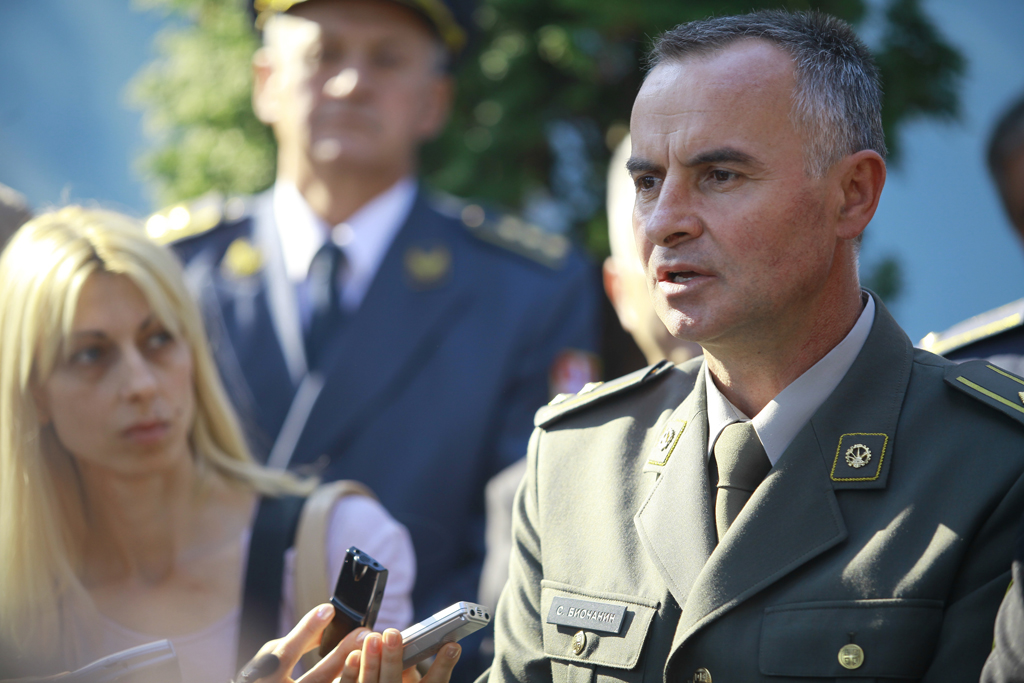
 General Manager of the Technical Overhaul Institute Lieutenant-Colonel Stojko Biocanin, stressed, referring to new employments of engineers at that institution, that, this year, there were 131 employees more, with 28 of them being engineers with various expertise.
 “With this vacancy announcement we expect to introduce younger personnel at the Institute, since the age structure is unfavourable at the moment. We also hope to increase the ability to accept new technologies. This is especially important when we take into consideration the fact that the last engineer at the Institute was employed 13 years ago”, Lieutenant-Colonel Biocanin concluded.
 PHOTOGALLERY