09.02.2011.
Monograph "Serbian Armed Forces" promoted
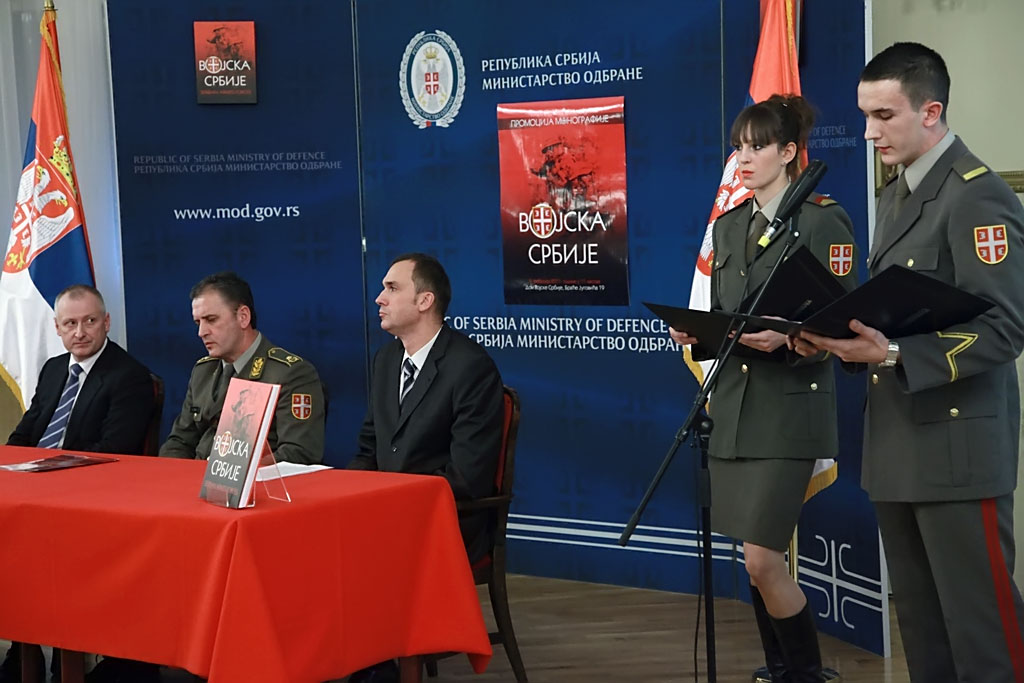
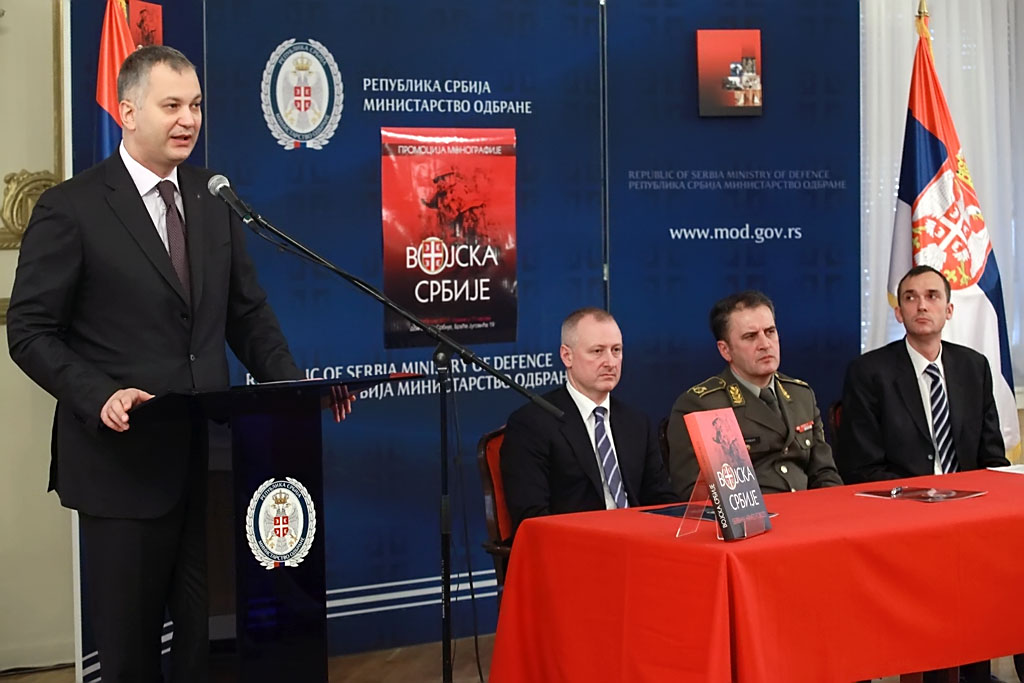
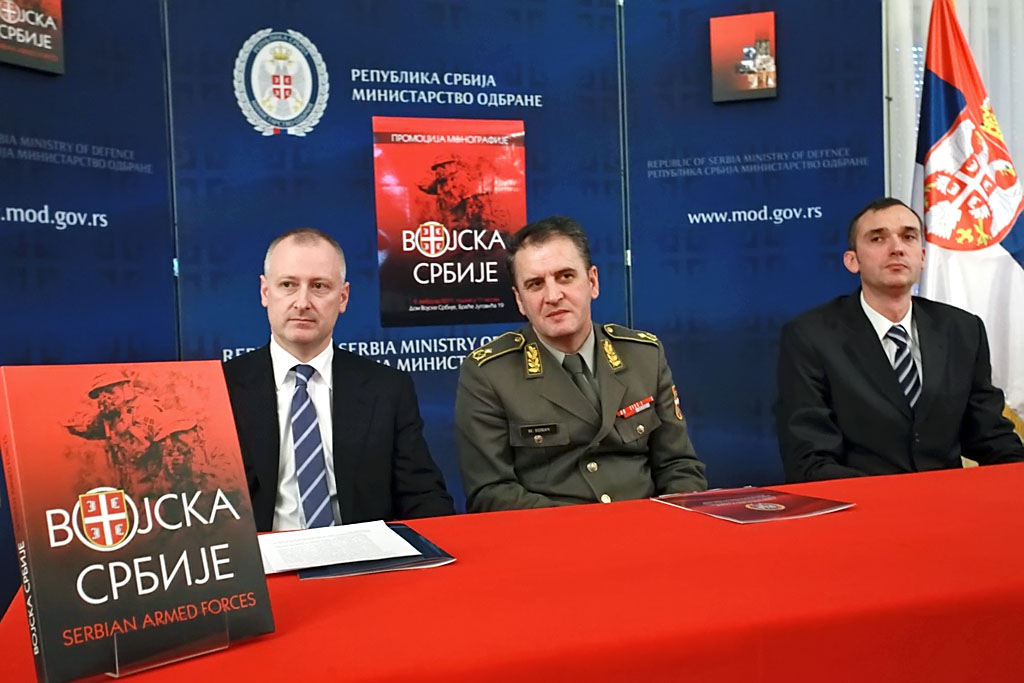
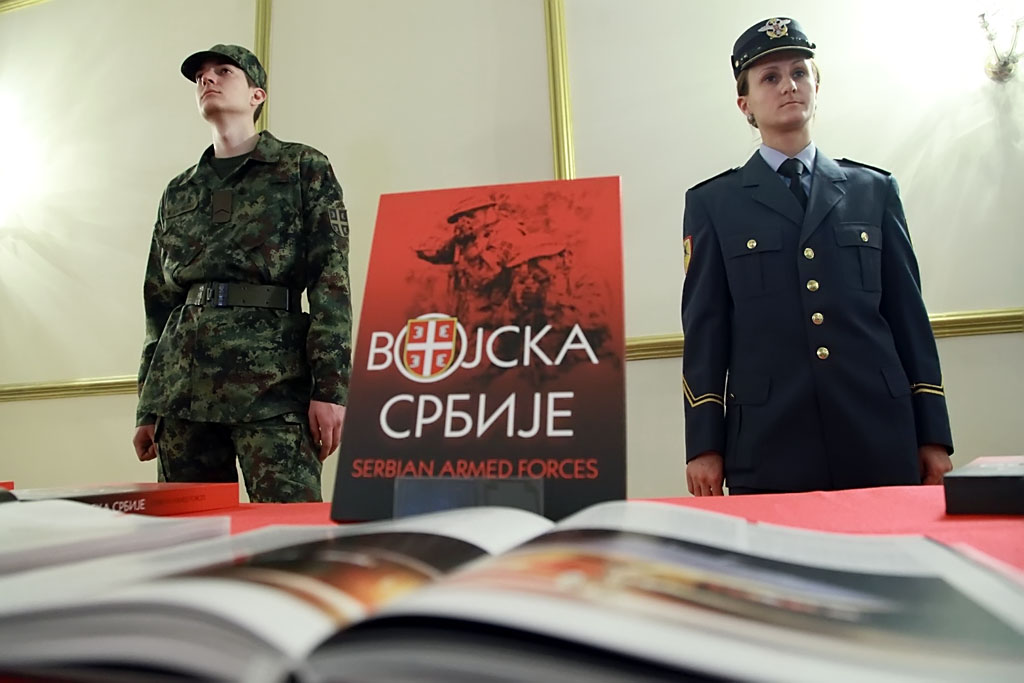
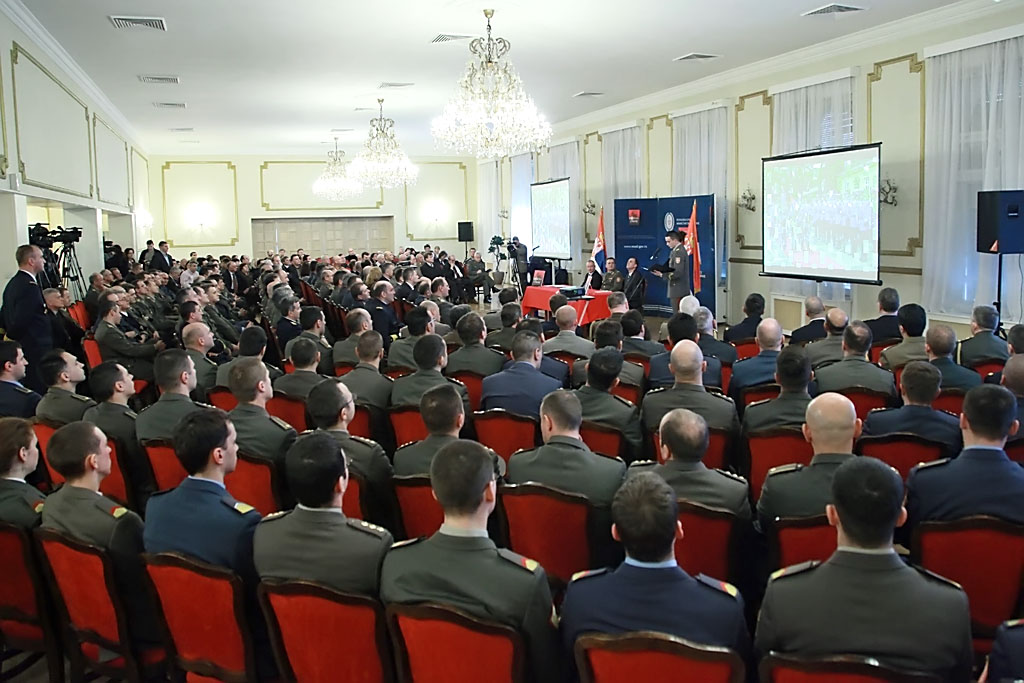
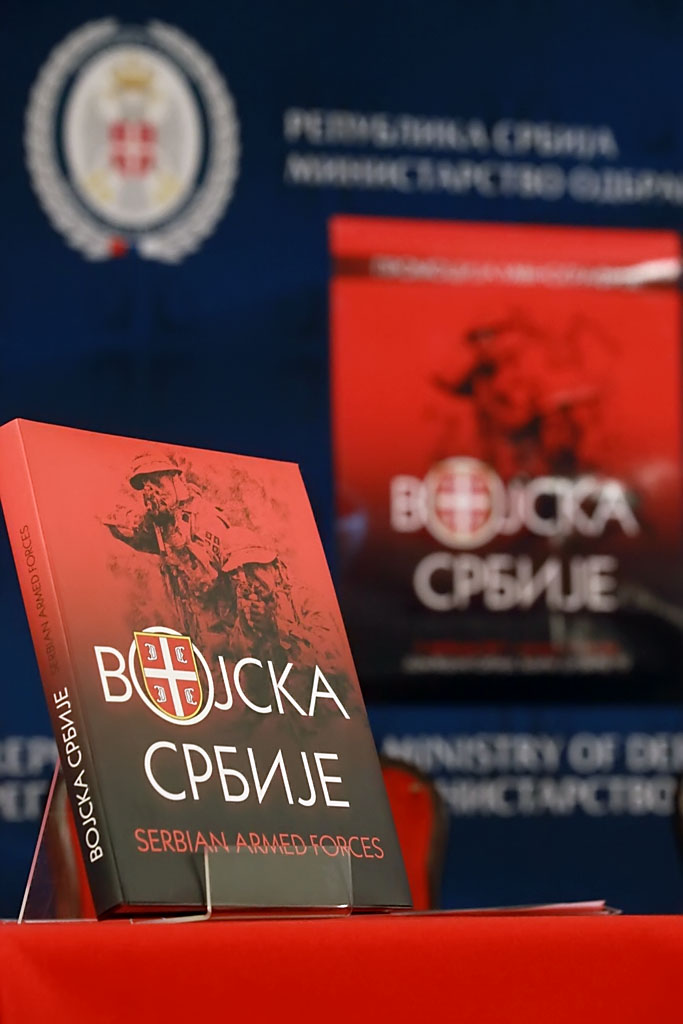
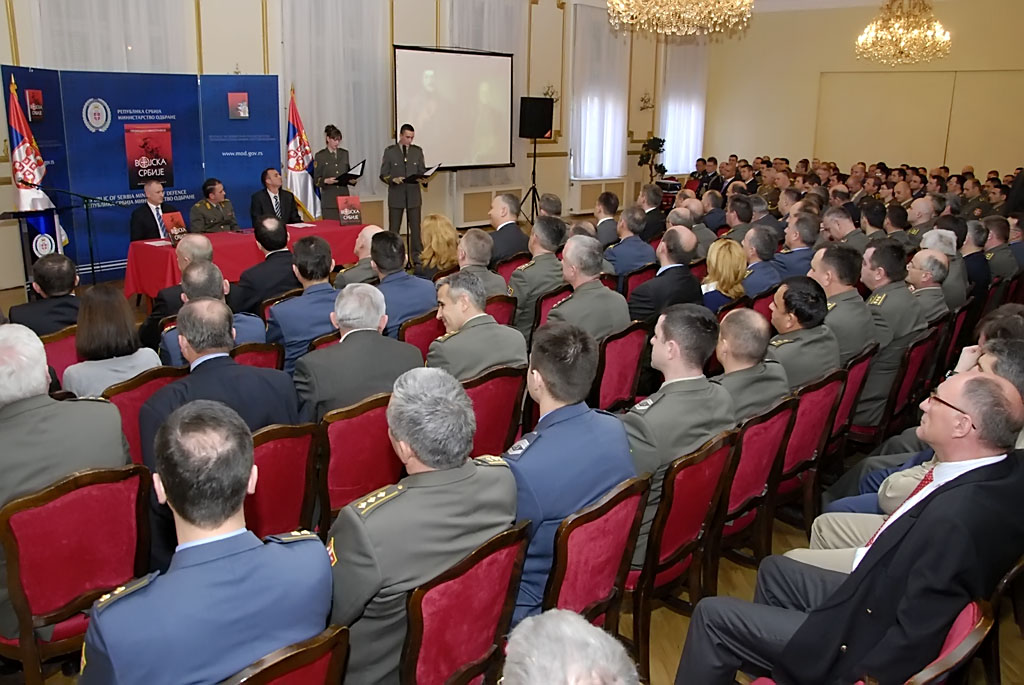
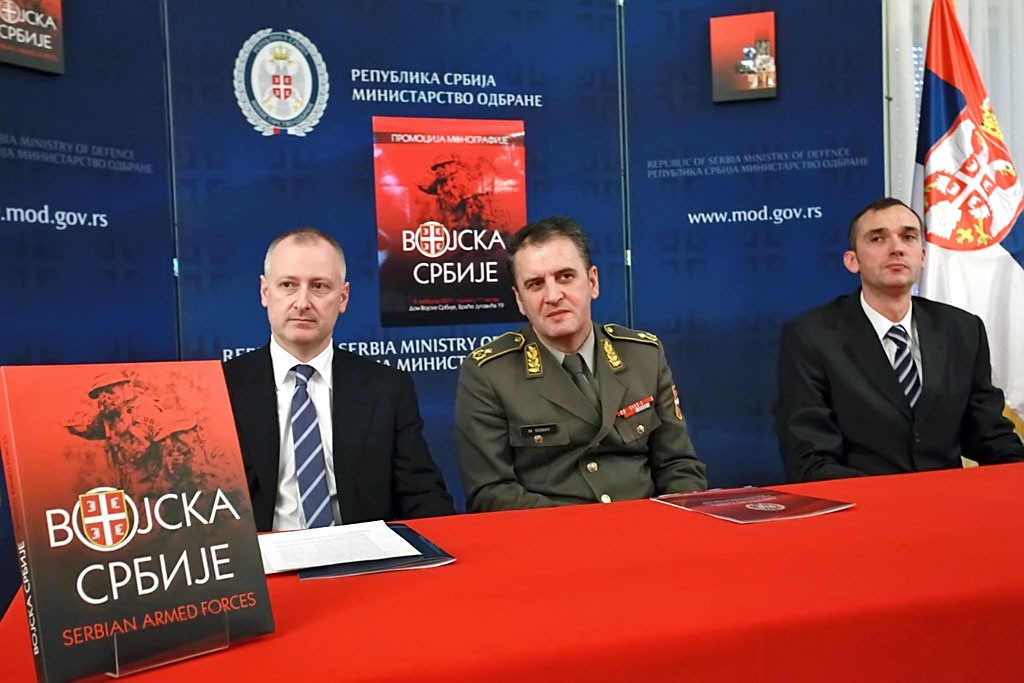
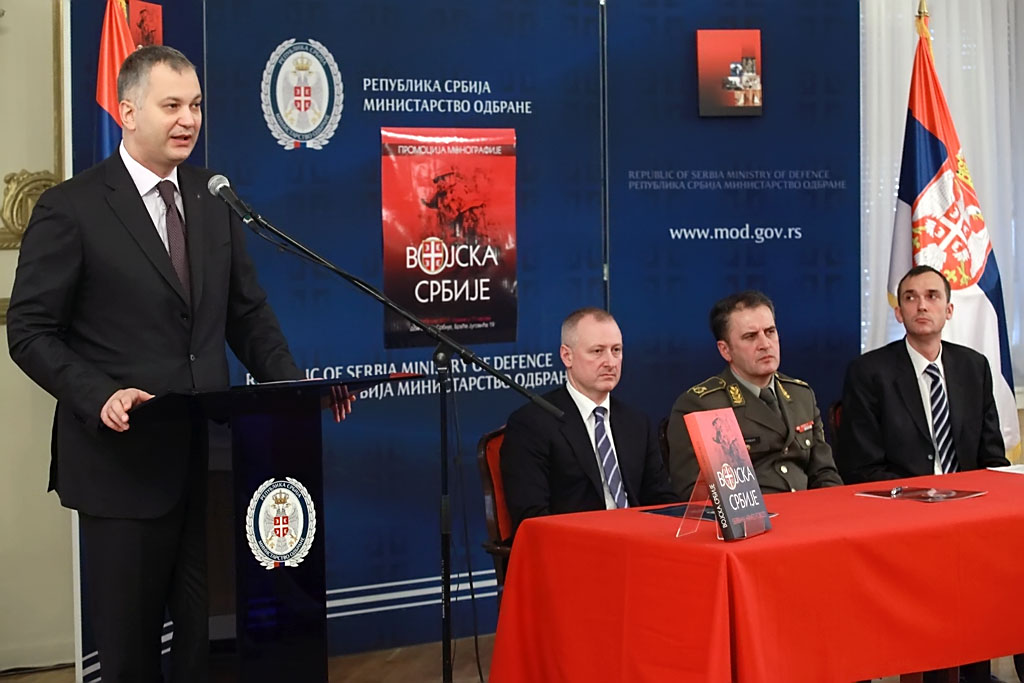 In the ceremonial hall of the SAF Central Military Club a monograph "Serbian Armed Forces" by the State Secretary in the Ministry of Defence Zoran Vesic and Dusan Babac was launched today. Between the covers of books historical facts have been compiled including the information on the Serbian Armed Forces today. The monograph was created as the revision of the key organizational changes in the defense system within the professionalization of our armed forces.
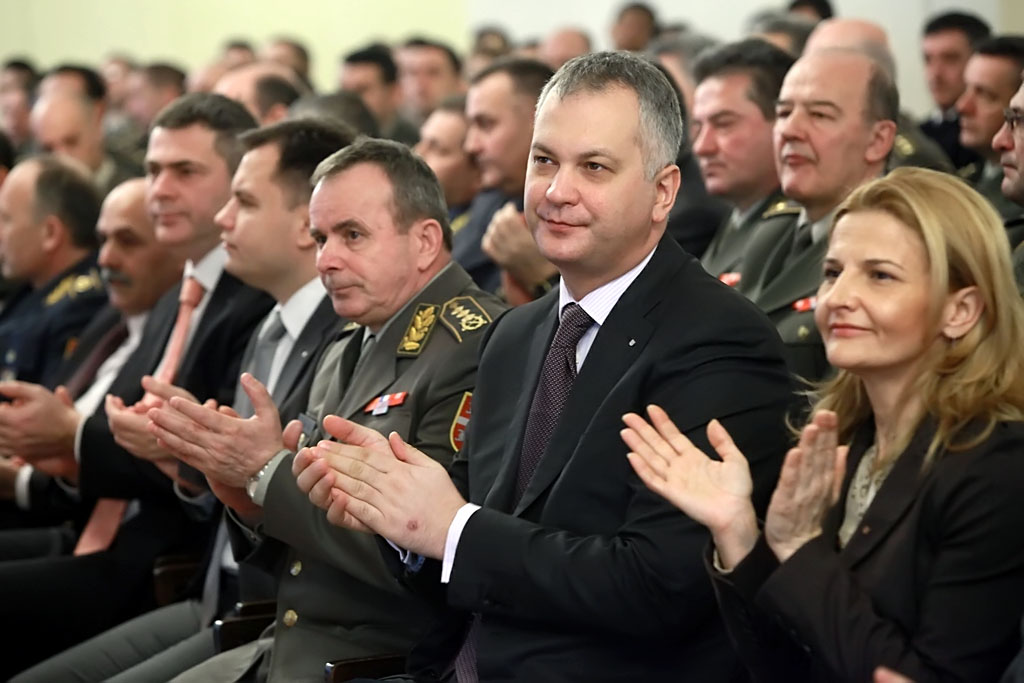
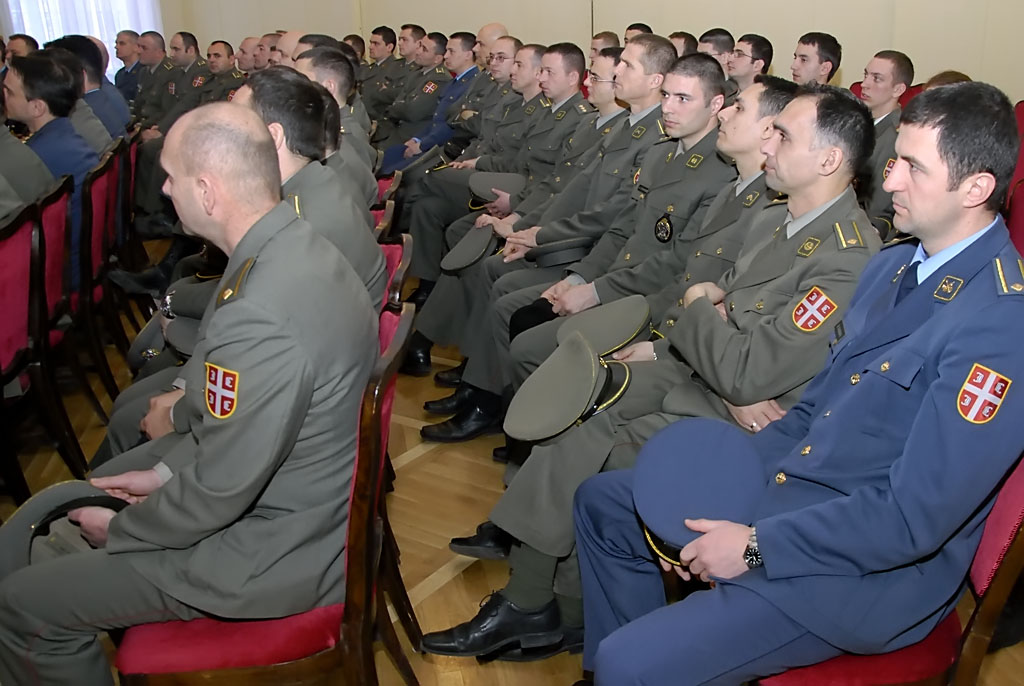
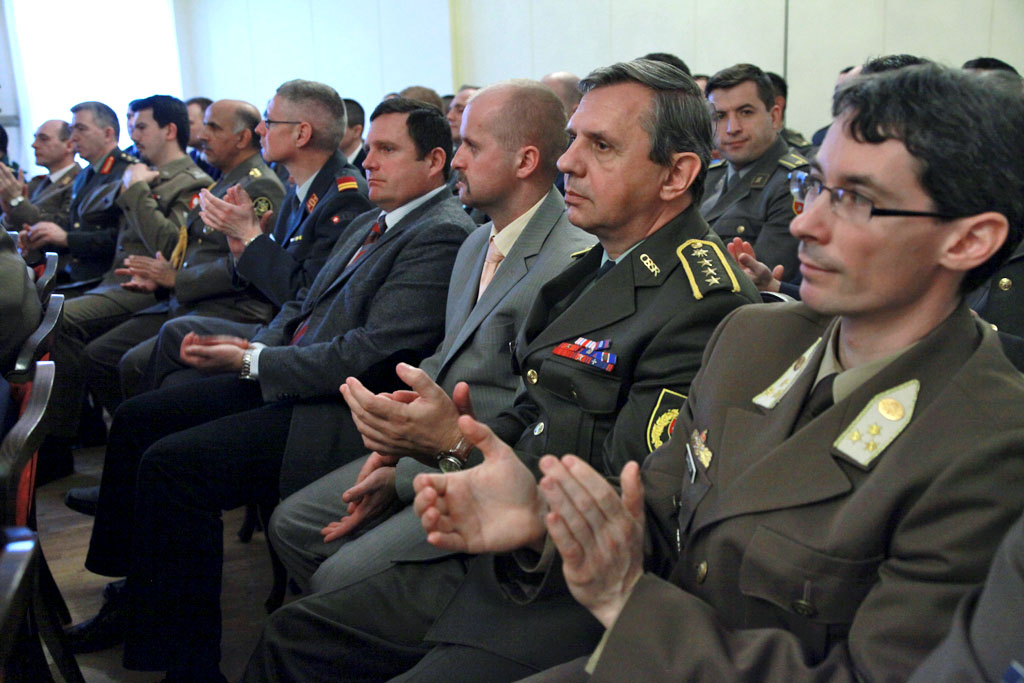
 The presentation was attended by Defense Minister Dragan Sutanovac, State Secretary Zoran vesic, the Serbian Army Chief of General Staff Lt. Gen. Miloje Miletic with members of the corps, people from cultural and public life, numerous guests and media representatives.
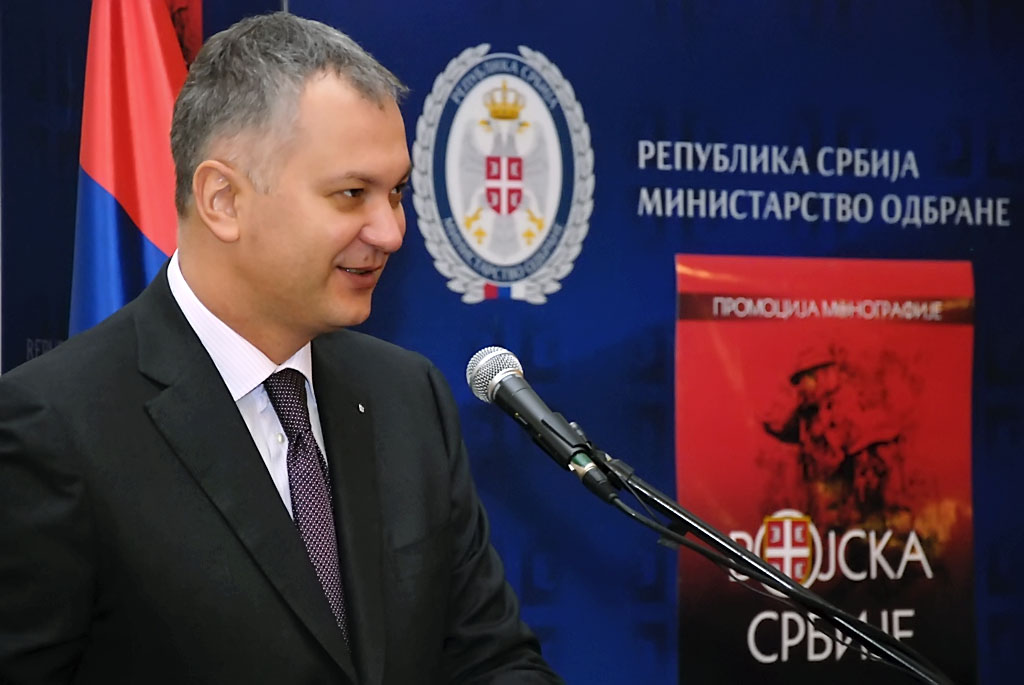
In his address, Defense Minister Dragan Sutanovac said that a need emerged for the Serbian Armed Forces to be presented to the national and international public in a monograph, which will contain the very essence of what has been done so far and what yet remains to be done.
He recalled that the Serbian Army at the time of its inception was a professional army and now once again it has become fully professional. All those who now criticize professionalisation, according to the minister of defense, would then have to criticize the very history we are all proud of.
 Sutanovac said that regarding the defense reform as a success has already become a common place with our army being globally recognized as an army of peace and partnership, but that he expects the media to report more about it. He listed the visits of the most powerful countries and their armies, which all bespeaks of the respect they have for the Serbian Armed Forces. He recalled the reform of military education which once again has started educating cadets and officers from various countries.
 The Minister recalled that the Resolution of the European Parliament has evaluated defense reform as very positive, without any remarks or additional comments. The fact that there are many people interested in joining the professional army is not a novelty , yet it has come as a complete surprise that after a public call for voluntary military service, twice the number of needed volunteers have reported.
This is the response to all those, as the minister stressed, who hoped that the reforms would fail wishing to regard this failure as their own personal success.
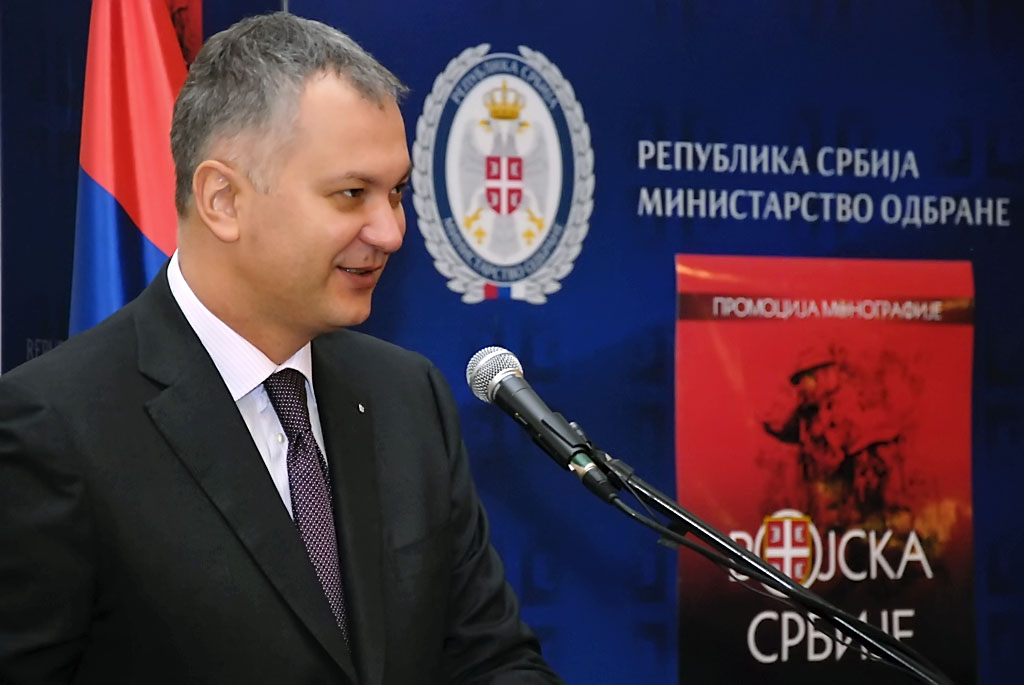 He said that the success of the Ministry of Defense is actually the success of all those who believe in Serbia and its army. The Minister said that the monograph which was presented today is not in any segment politically colored, but deals exclusively with members of the military.
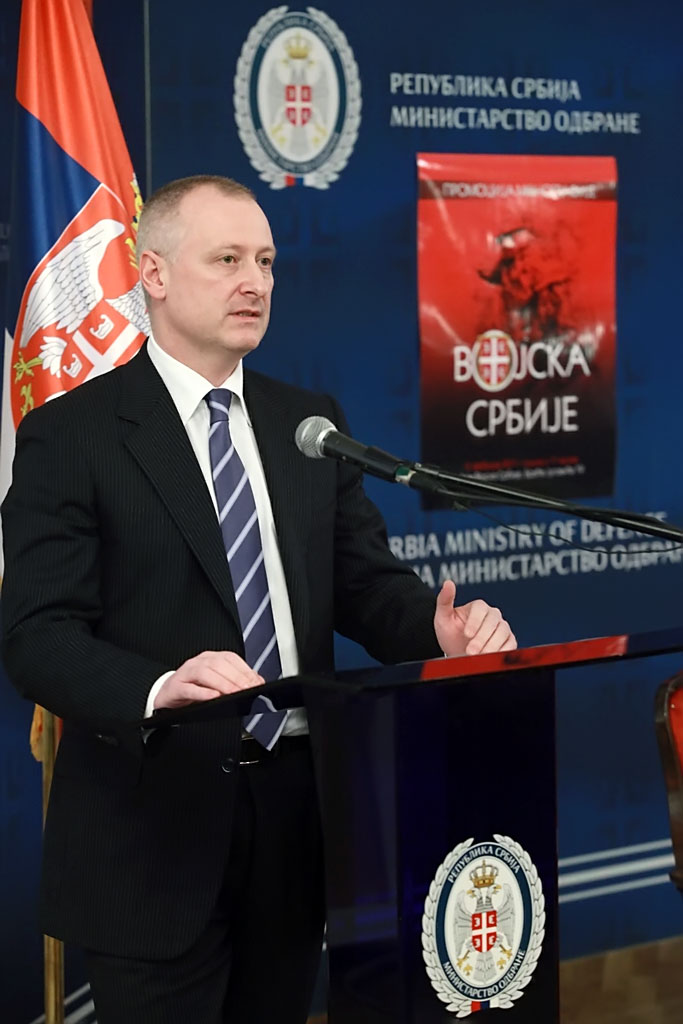
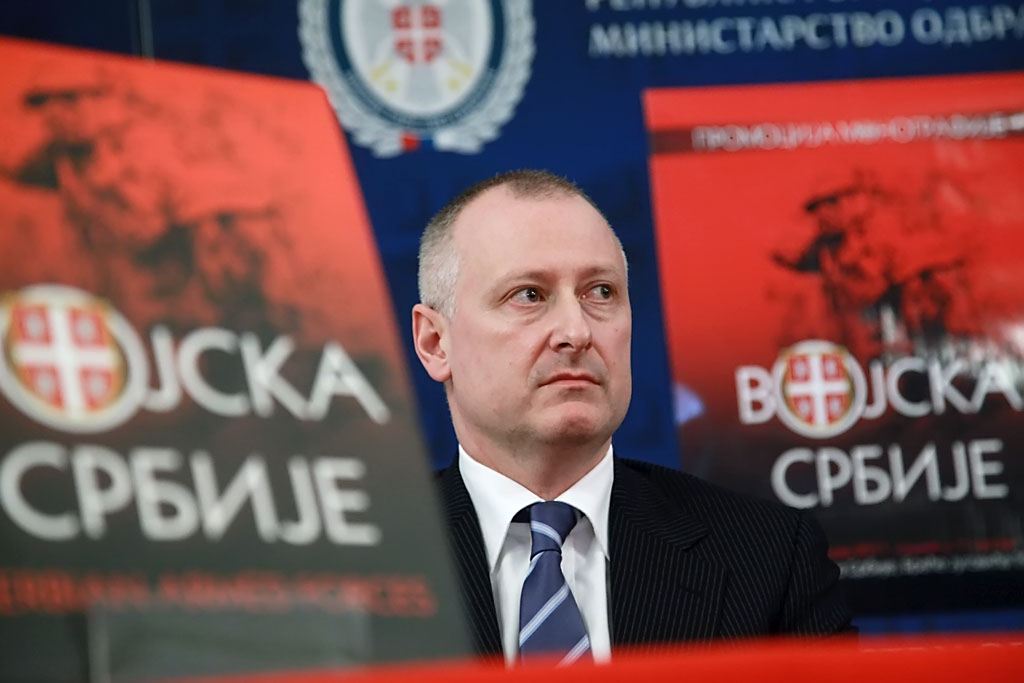
 Secretary of State Vesic remarked that it was extremely important that monograph covered the history of the Serbian army, and therefore the Serbian history from the period of the Middle Ages to the present day, thus making it a unique work which reflects complete period. He emphasized the importance of the historical part of the book, because the Serbian Armed Forces is proud of its history tapping into its great victories.
- A Serbian soldier is what the Serbian army has always been recognized by and has remained so, even in situations when our army did not have modern equipment and weaponry. This is what the of the Serbian army and Serbian soldier is all about – as the secretary of state recorded illustrating this by mentioning the records of foreign armies about the accomplishments of our military and its members during the wars that marked the previous century.
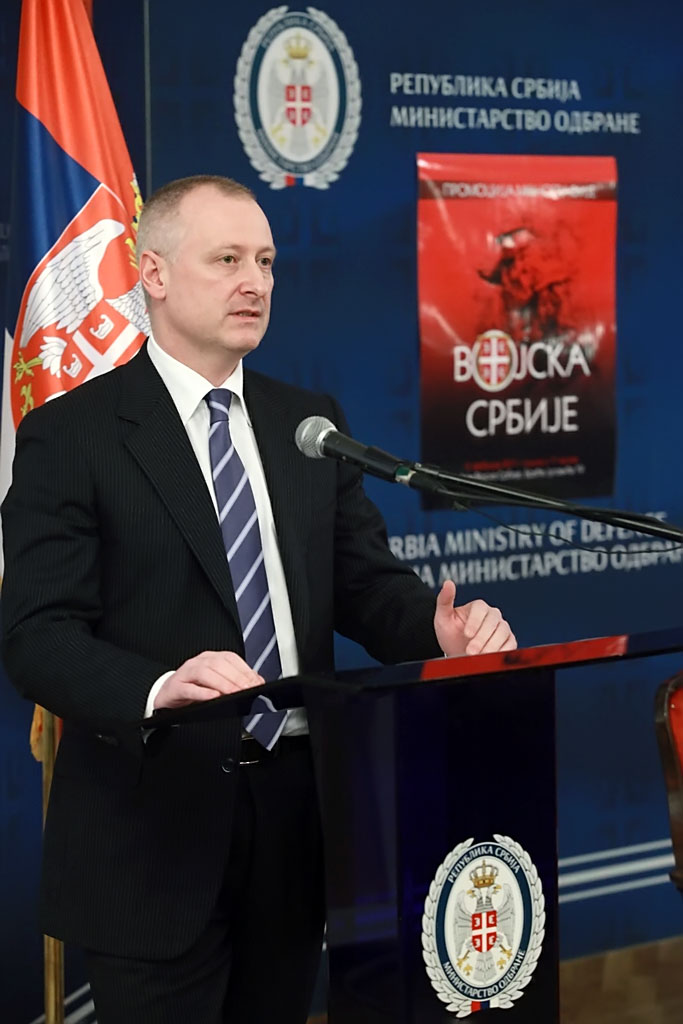 We can not build the future, he said, without a past because our future is painted in the past, but is also very important to note that the future cannot be built if you are trapped in the past. He expressed the belief that the Serbian Armed Forces have in the past few years found that balance, relying on its great tradition on the one hand, and on the other hand, is undergoing modernization and professionalization, thus growing into a modern army.
 Secretary of State Vesic, also reminded the present of the important moments in terms of defense reform that marked the previous year, emphasizing the adoption of normative legal framework for the first time since the establishment of an independent state and the completion of professionalization of the Serbian armed forces.
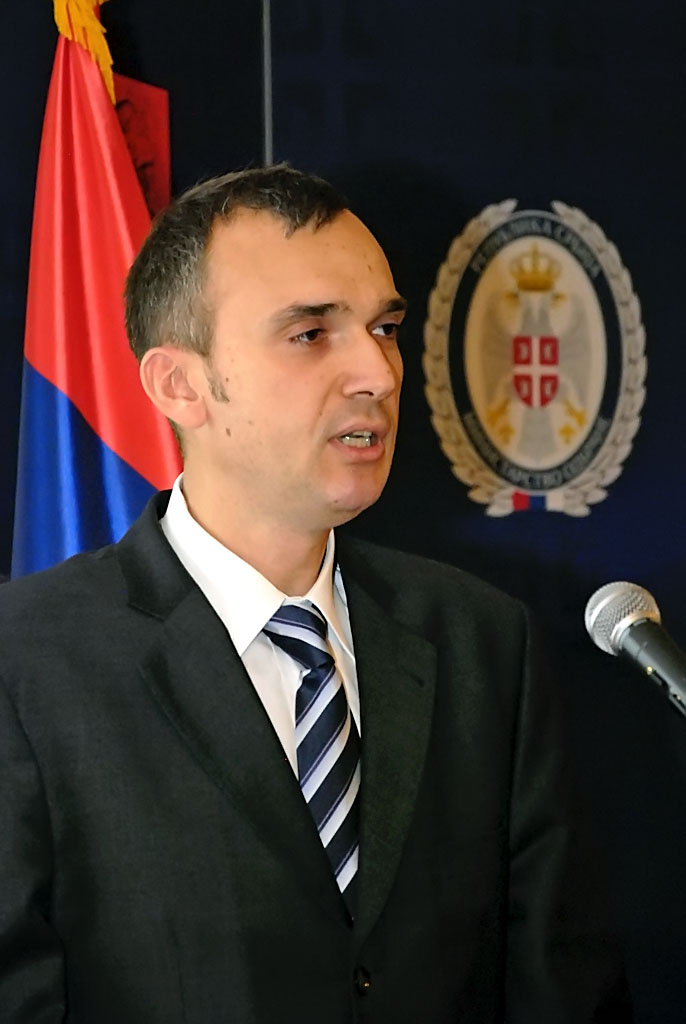
According to Mr. Dusan Babac, a co-author, when an author is faced with covering such a broad theme, the author feels what could be termed as sweet pains, bearing in mind first of all our historical heritage. He pointed out that he had opted for the principle of listing and revealing basic historical facts, without superfluous commentary and with plenty of illustrations.
- What characterizes the Serbian army from the earliest days until now was that it had always been for the European mainstream in terms of organization and, where necessary adapting them to their needs and capabilities - Babac said.
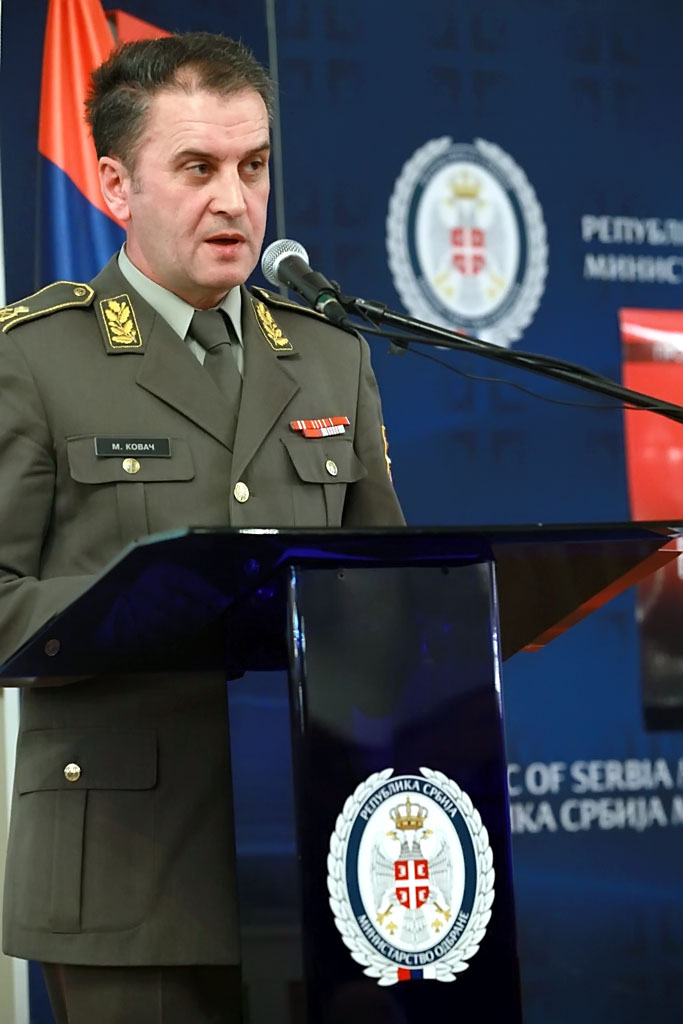
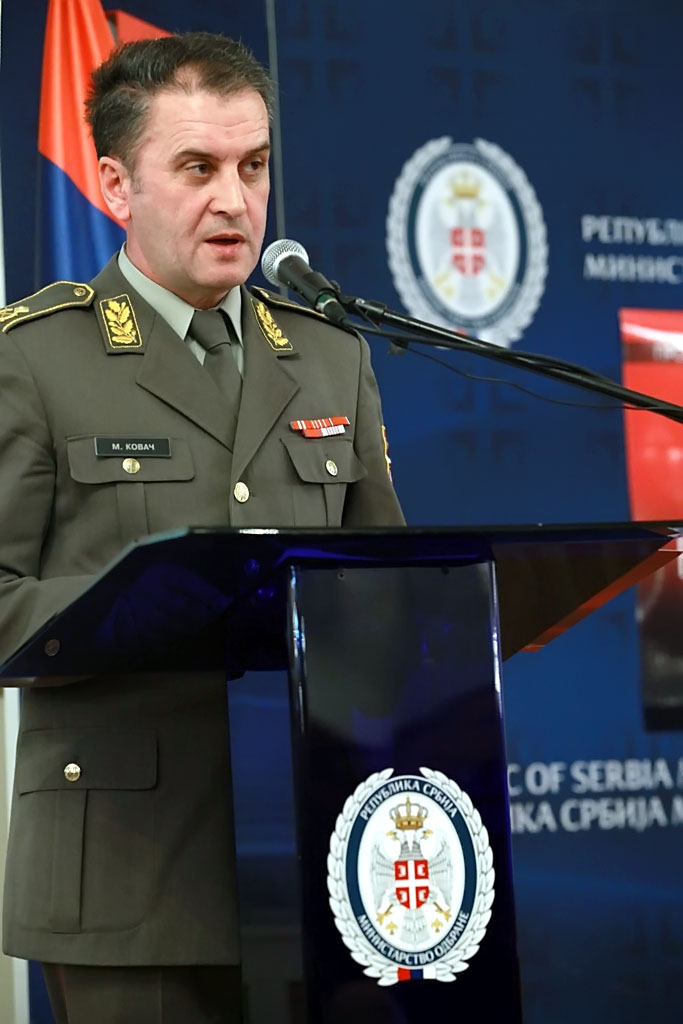 The reviewer of the monograph Brigadier General Mitar Kovac said the work of Zoran Vesic and Dusan Babac, MA was a crucial work of paramount importance to the defense system and the Serbian Armed Forces and as a referential source of information about the historical roots, development and the current state of the SAF.
 It was created at the time of completion of key organizational changes in the defense system when the Serbian Armed Forces have been fully professonalized. In our country there has been no similar study or a monograph presenting such a comprehensive historical dimension and the vertical development of the Serbian army from the time of the establishment of Serbian state until presenting SAF today - said Gen. Kovac
The special quality of the monograph on the Serbian Armed Forces, as Kovac remarked, lies in the fact that the authors succeeded in blending in a proper manner and atypical manner both the traditional and contemporary, both in text and in the field of visual expression with the selection of paintings, sketches and graphics that illustrate historical periods, and the state of the society, as an essential segment of the attitude of the state towards the army and its institutions.
The monograph includes: a preface, two parts and bibliography. It is 288 pages long and also contains a large number of historical photographs and paintings from recent years, depicting key activities in the life and work of the commands and units of the Serbian Armed Forces. The relationship between the parts of the monograph has been successfully balanced with an appropriate choice of topics to describe the historical and contemporary dimensions of the Army.
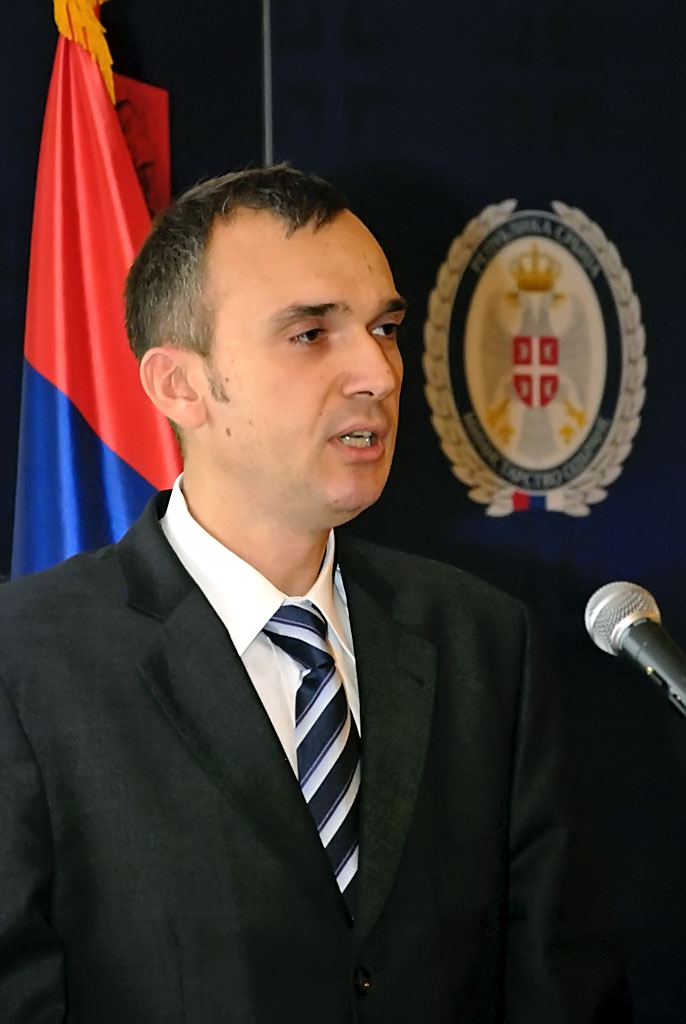 In the preface, written by the Defence Minister Dragan Sutanovac, basic commitments and accomplishments in the process of defense reform and professionalization of the Serbian Armed Forces have been presented. What is emphasized is the importance of traditional ties within the modern context and the understanding of the place and role of the Army to protect national interests in a modern and internationally acceptable manner.
 The first part of the monograph entitled History of the Army of Serbia and is written in 134 pages. In this section, concise and clear information about the state of the country are given, of the nation and the Army in different historical periods, such as the medieval Serbian state, Serbian uprisings, Duke Milos army, of the defenders of the Constrituion Duke Mihailo’s militia, the Independent Serbia, Yugoslav Army, World War II - resistance and the post-war development of our army.
The second part of the monograph entitled The Army of Serbia today is written in the 122. In this work are given essential information about basic reform achievements in the process of professionalization in accordance with the decisions set by law and strategic documents.
The second part of the monograph repents the following issues: the doctrine of the Serbian Armed Forces, General Staff, Army, Air Force, Guard, Military Police, Special Brigade, training in the Serbian Army, security services, general services and logistics, military education, military health care and our military in peacekeeping missions.
In all matters the Serbian Army is presented as a national institution that has managed to achieve all objectives posed before it by the state leadership in the difficult years of social development objectives.
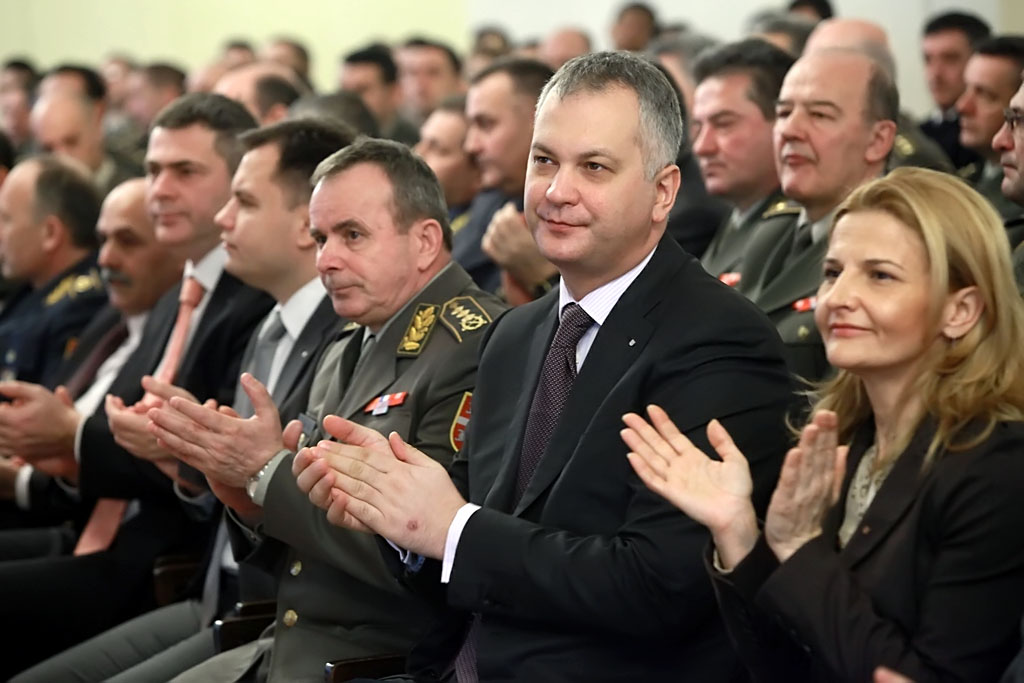 General Kovac remarked that the information presented regarding the state of the Army of Serbia today, the authors pointed out the effects of this process, which have been received with recognition and approval by the general public as well as the international community as a stable and regulated national institution deserving special public’s trust. This was another way for the Serbian Armed Forces to be able to present itself in a modern way to legislative and executive powers, by transparently providing information of public importance in view of building modern civil-military relations.
 According to the opinion of Brigadier General Kovac this monograph offers an adequate way to overcome the ideological antagonisms of the liberation movement in World War II, of the Ravna Gora Movement, and the partisan movement. The authors have thus sent a message to the current and future generations of the Army members should not be discriminated, especially not by which movement their ancestors joined.
The merits for the publishing of this monograph were attributed to the media center, "Odbrana," Military Printing House and its expert editorial team
ANSWERS TO REPORTERS QUESTIONS
In his answer to reporters’ questions about the organization of the forthcoming summit of NATO in the Belgrade SAF HQ, Sutanovac said that this was a great honor that the military would be hosting one of the largest summits of this kind in the world this year in which will be attended according to the announcements, by 69 delegations from NATO and Partnership for Peace program. He stressed that this would be an opportunity to once again confirm the military capacity of Serbia and our country to organize such a meeting.
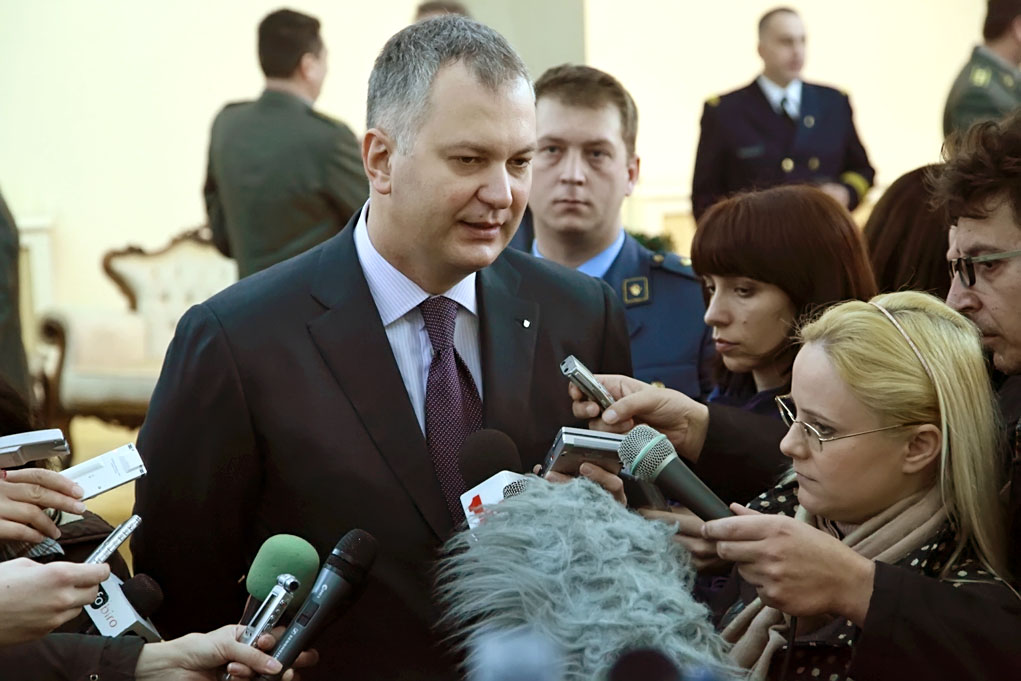 Sutanovac dismissed speculations about placing the damaged buildings of the Telecom building to the disposal, stressing that the Ministry of Defence was seeking ways to sell the complex for the money which would be spent on building a new building for the Ministry of Defence and SAF GS HQ on Banjica. Furthermore, as he pointed out no one can hope to ask for a property without offering something in return in terms of money or property.
 Commenting yesterday's gathering in front of the barracks Grosnica in Kragujevac he stated that the Ministry had not placed this facility to the disposal of citizens, but will in return get about six million USD which will be used to buy 20,000 square meters of the most modern warehouse space our army needs..
Asked whether Serbia is still interested in buying planes from Bosnia and Herzegovina, Sutanovac said that we still have vested interest the same way it was done in Montenegro, with which Serbia conducted the exchange of property. He pointed out that there was serious talk about this issue because only Serbia has the ability to use aircrafts that would otherwise have gone into scrap metal, stressing that political agreement with the leaders in Bosnia has yet to be achieved.
 PHOTOGALLERY