
06.10.2009.
Discussion on defense documents and laws in the National Assembly
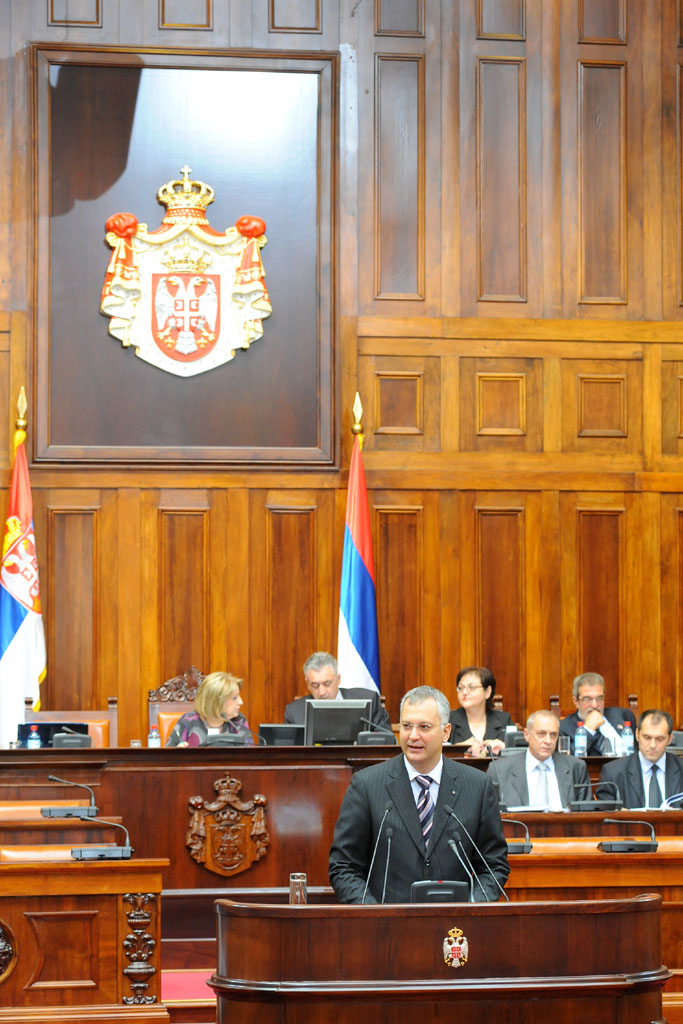
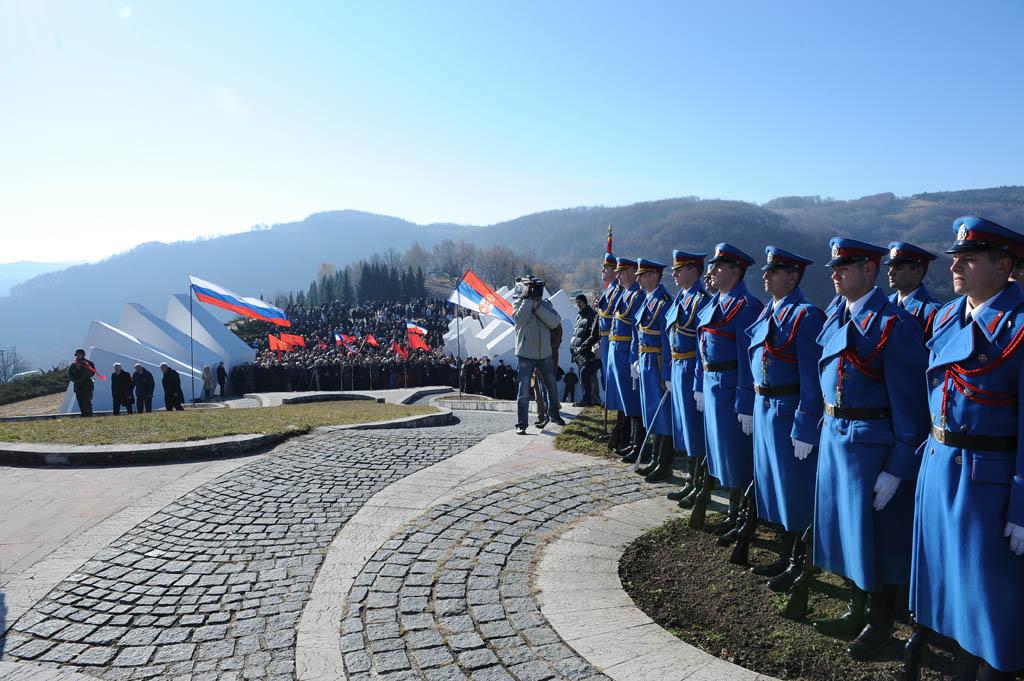 The discussion about the Strategy of National Defense and the National Security Strategy started in the National Assembly today, while on the agenda there are also amendments to the Law on Defense and the Law on SAF, the law proposals on working, military and material obligation, the law on civil service and on the deployment of SAF and other forces in multinational operations beyond Serbia’s borders.
Furthermore, law proposals on the Military Security and military Intelligence Agencies were also urgently included on the agenda.
In his elaboration of the proposed strategic documents, Minister Sutanovac said that Serbia, as an independent country, had adopted these strategies for the first time as these are very documents of great importance for the protection and defense of its vital national interests.
Serbia has to be stronger and should build its capacities, should modernize and professionalize the army.
The main threat to the security of Serbia is the unilateral and illegal declaration of Kosovo's independence.
 As for the membership in European and other structures, these would be confirmation of Serbia’s maturity in terms of civilization values and politics, adding that the national interest of the state was an active participation in international missions.
Terrorism and the expansion of organized crime, corruption, illegal drug trafficking and illegal trade in weapons, as well as human trafficking were evident in Kosovo and they fully aggravate the security in SEE.
The minister said that the strategy was defining the basis of security policy and protection of national interests, the development of democratic processes and the rule of law, as well as the protection and respecting the humanitarian and minority rights. This strategy is a defense system’s framework.
Serbia's defense potential will be deployed in peace operations based on the Constitution of Serbia and UN Charter and the principles of international law which regulate the use of power.
