09.06.2009.
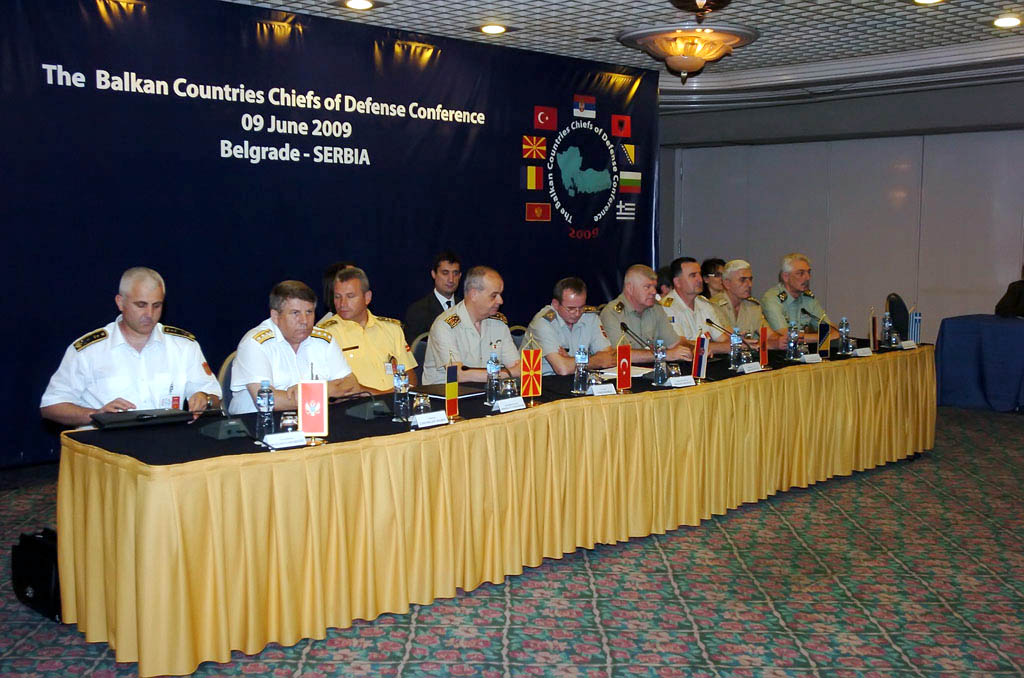
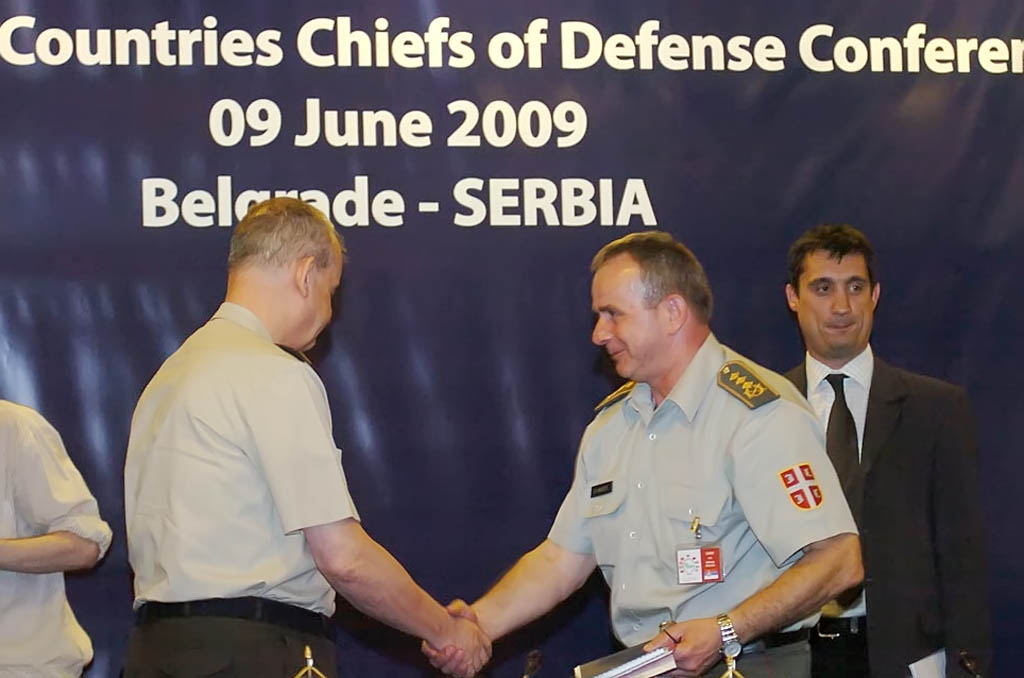
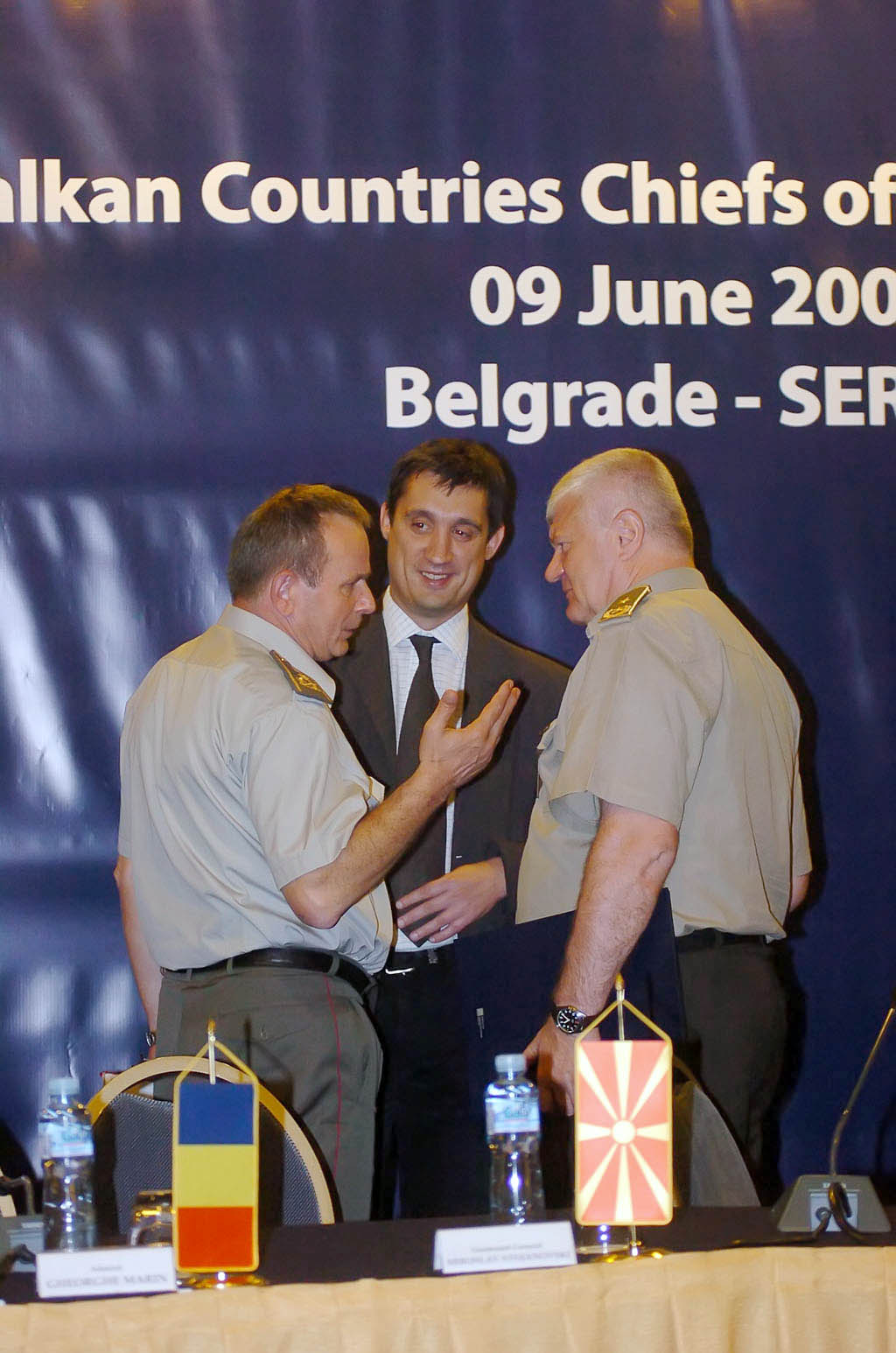
Press conference after third Balkan Countries Defense Chiefs Conference
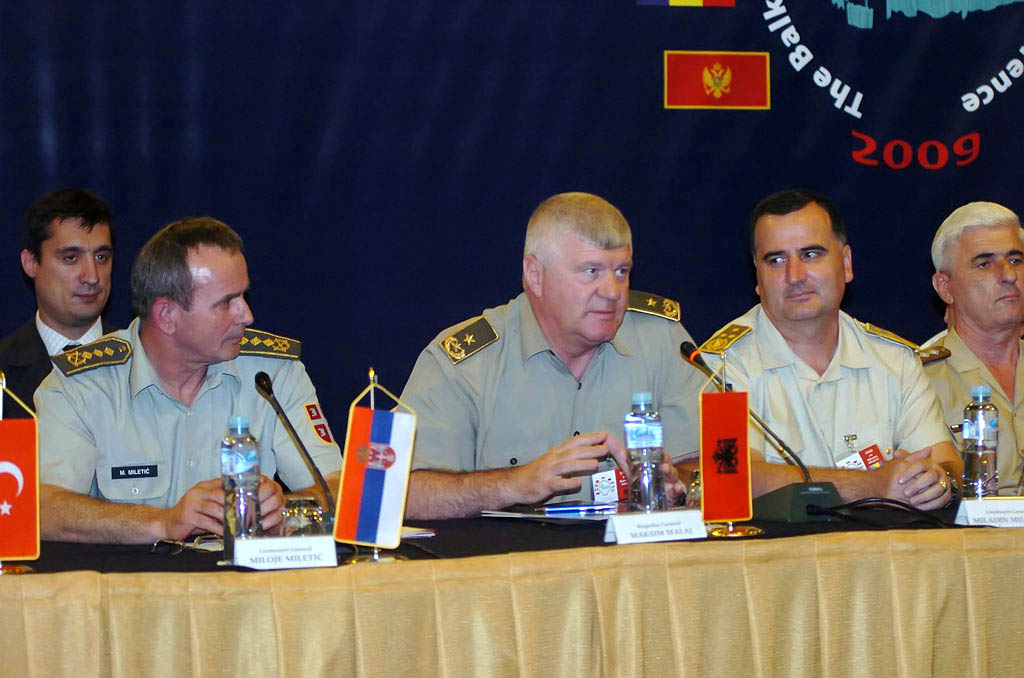
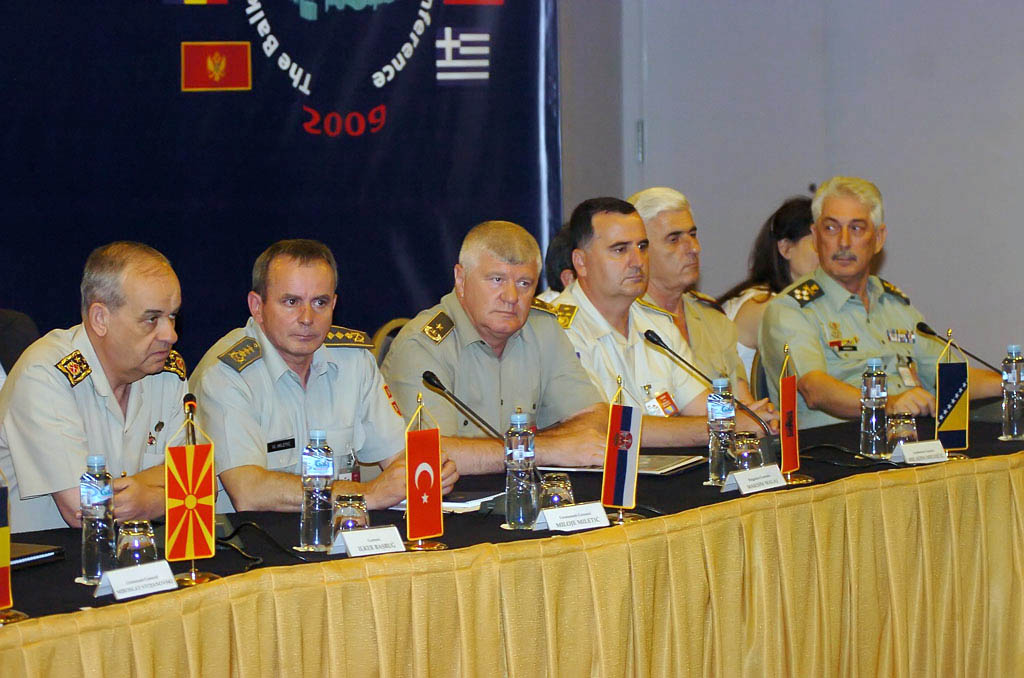
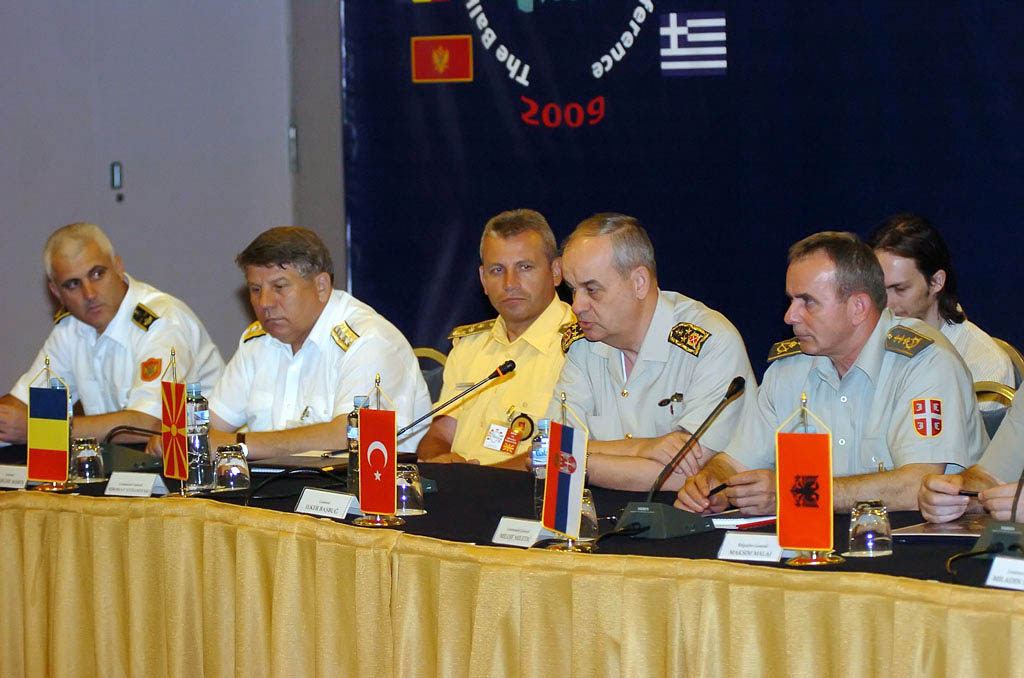
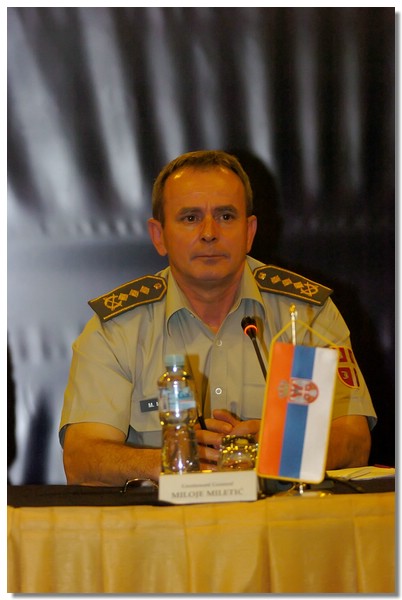 Following the end of the third Balkan Countries Defense Chiefs conference, the Chief of the SAF GS LTG Miloje Miletic stressed that this conference was the result of the initiative of people who took part in it. That fact that this the third conference speaks of the continuity and the need for convening at this level. General Miletic, the host of the conference, also pointed out that the goal of this conference was to boost regional cooperation and trust in order to appropriately address the current security challenges, threats and risks.
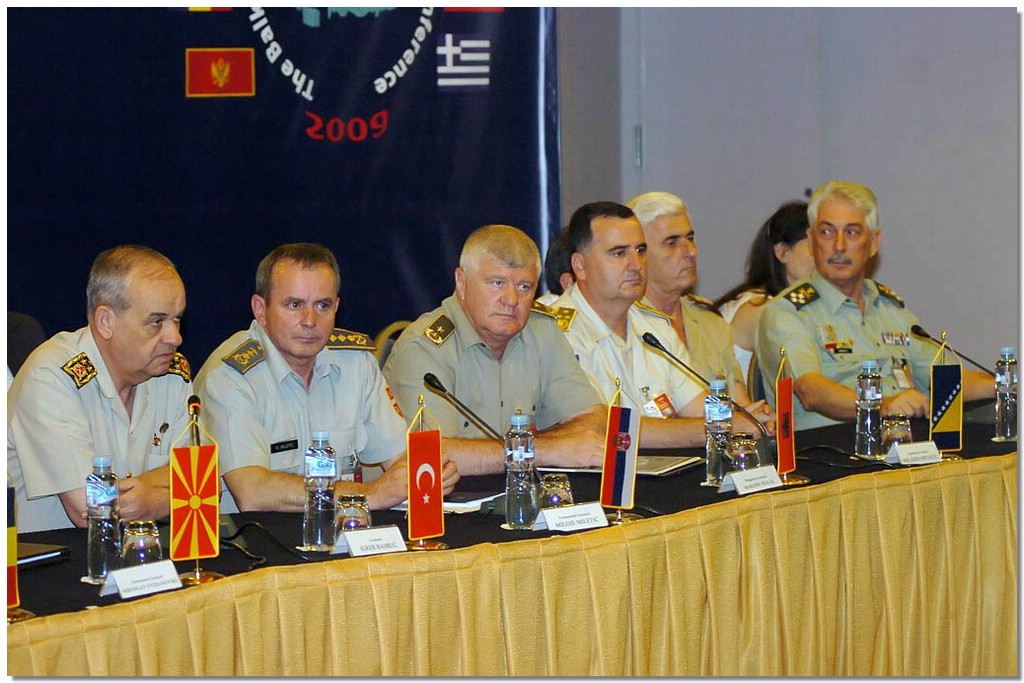 In the words of the conference host, the focus was on several significant topics of regional character such as the questions of training, exercises and education, as well as building regional training centers in order to rationalize costs. Asymmetrical threats and regional security challenges were also another topic of discussion. Miletic added that the participants agreed on making an annual analysis of asymmetrical threats which would entail a number of joint activities of the Balkan armies.
The Chief of SAF GS remarked that this forum agreed on the list of joint activities conducted in between the two conferences. General Miletic said that the participants discussed the personnel surplus and the need for downsizing the current military personnel numbers in the Balkan armies, since this is a problem for almost all regional countries, and that some participating countries, such as Turkey, had offered their help in resolving this problem.
Answering the reporters’ question as to the crucial security threats the Chief of the Albanian Army Brigadier General Maxim Malay stressed the main problems were illegal immigration and illegal trading.
Turkish Defense Chief General Ilker Bashbuk marked terrorism as the main security threat despite no Balkan countries has yet encountered such problems. Furthermore, as he added, it was necessary to develop cooperation between the regional armies, and that the exchange of intelligence information on possible terrorist activities in the region would represent the first step in countering this problem.
 PHOTOGALLERY